AI marketing tools are everywhere — and most of them are presented the same way: writing copy, generating visuals, and producing content faster. Demos, landing pages, and case studies all show AI at work in content creation.
But in 2026, content is no longer the bottleneck. The real challenge is turning user data into coordinated campaigns that actually drive engagement and revenue. This guide cuts through the noise to show which AI marketing tools are truly effective today, where most tools hit a ceiling, and which categories actually scale marketing outcomes — from content and creatives to automation and optimization.
What are AI marketing tools? (and how they’ve evolved)
AI marketing tools are software solutions that use artificial intelligence to help marketers analyze data, automate decisions, and execute tasks such as content creation, audience segmentation, personalization, campaign delivery, and performance optimization.
Over the past few years, the definition has expanded. Early AI marketing tools focused mainly on analytics and recommendations. More recent tools concentrate on generative tasks like writing copy or creating visuals. In 2026, the most advanced AI marketing tools go a step further — they don’t just assist marketers, but actively automate workflows, coordinate campaigns across channels, and optimize results using real-time, first-party data.
In short, AI marketing tools range from productivity enhancers to fully automated systems. The key difference lies in whether AI is simply helping you create assets or actually running and improving your marketing operations.
10 best AI marketing tools in 2026 (by job-to-be-done)
Not all AI marketing tools are built to solve the same problems. Some help you create faster, others help you analyze demand, and only a few are designed to automate and optimize marketing at scale.
Below, we break down the best AI marketing tools by what marketers actually need to get done, followed by concise overviews of the most relevant tools in each category, including where they shine and where they fall short.
| Job-to-be-done | What these tools are best at | Examples | Strategic limitation |
|---|---|---|---|
| AI tools for content & copy generation | Writing text, brainstorming ideas, polishing language | ChatGPT, Jasper, Grammarly | Essential but commoditized — create content, don’t run marketing |
| AI tools for design & creative assets | Generating visuals, layouts, creative variations | Figma AI, Midjourney, Canva AI | Great for speed, not strategy |
| AI tools for SEO & research | Finding demand, keywords, and content opportunities | Semrush AI, Ahrefs AI, Surfer | Help you attract traffic — not convert or retain users |
| AI tools for marketing automation & optimization | Running campaigns, optimizing journeys, driving revenue | Pushwoosh’s ManyMoney AI | This is where scale happens |
ChatGPT (OpenAI)
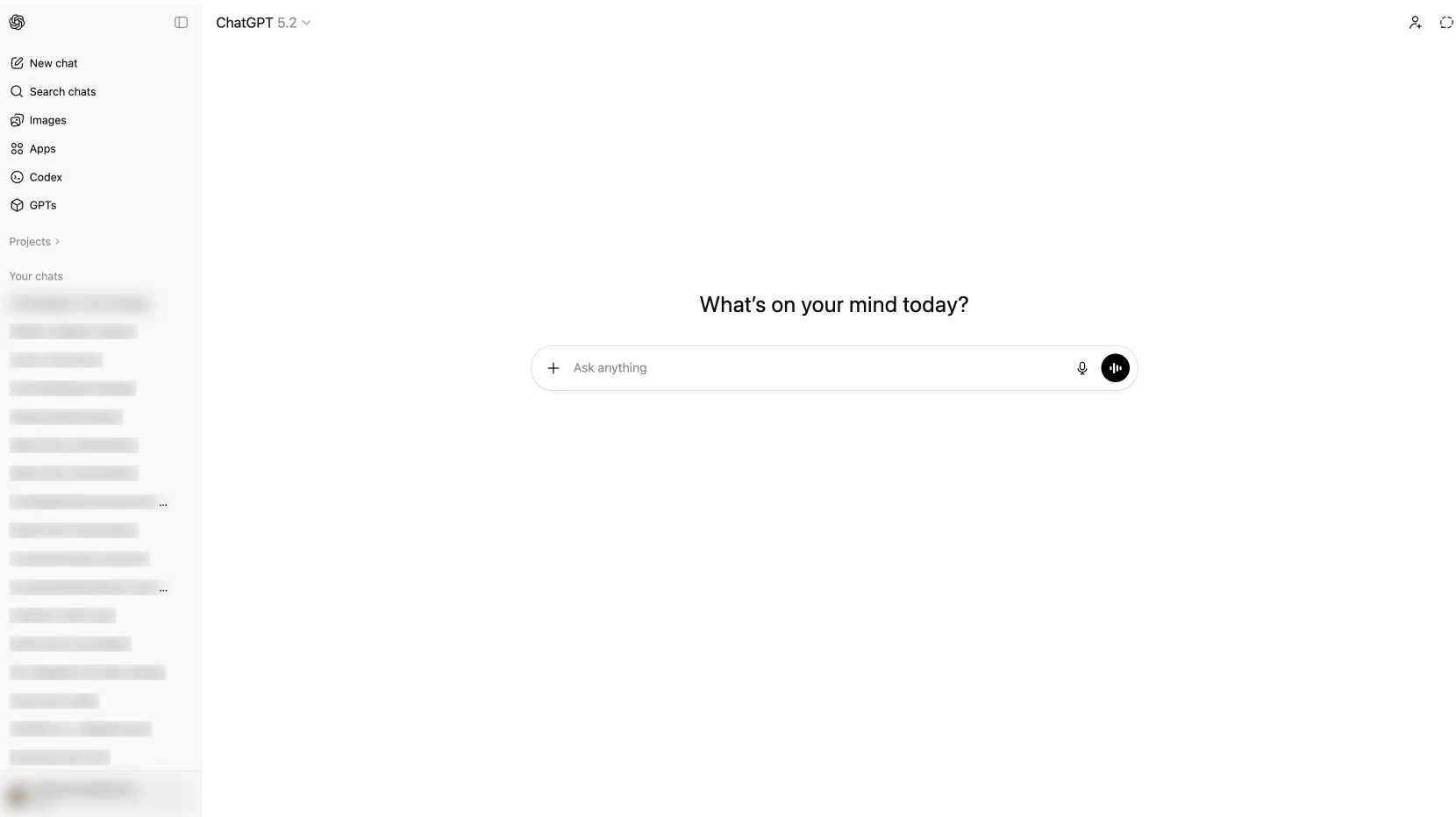
ChatGPT is one of the most widely used AI marketing tools for ideation, research, and drafting content. Marketers rely on it to brainstorm campaign ideas, outline blog posts, generate ad copy variations, and summarize research quickly.
Best for: Conversational content creation, research assistance, brainstorming, and multi-modal content tasks.
2026 update: ChatGPT launched its $8/month “Go” tier in January 2026 and began testing sponsored recommendations (ads) for free and Go users. With 700M+ weekly active users and GPT-5.2 released in December 2025, ChatGPT now handles text, images, audio, and video with improved reasoning capabilities.
Key features:
- Multi-modal AI (text, image, audio, video generation)
- Voice of Customer (VoC) research analysis
- Customer review sentiment analysis
- Marketing strategy development
- Content ideation and drafting
- 30+ language support
Pricing: Free tier available; ChatGPT Plus $20/month; ChatGPT Go $8/month.
Jasper (formerly Jarvis)
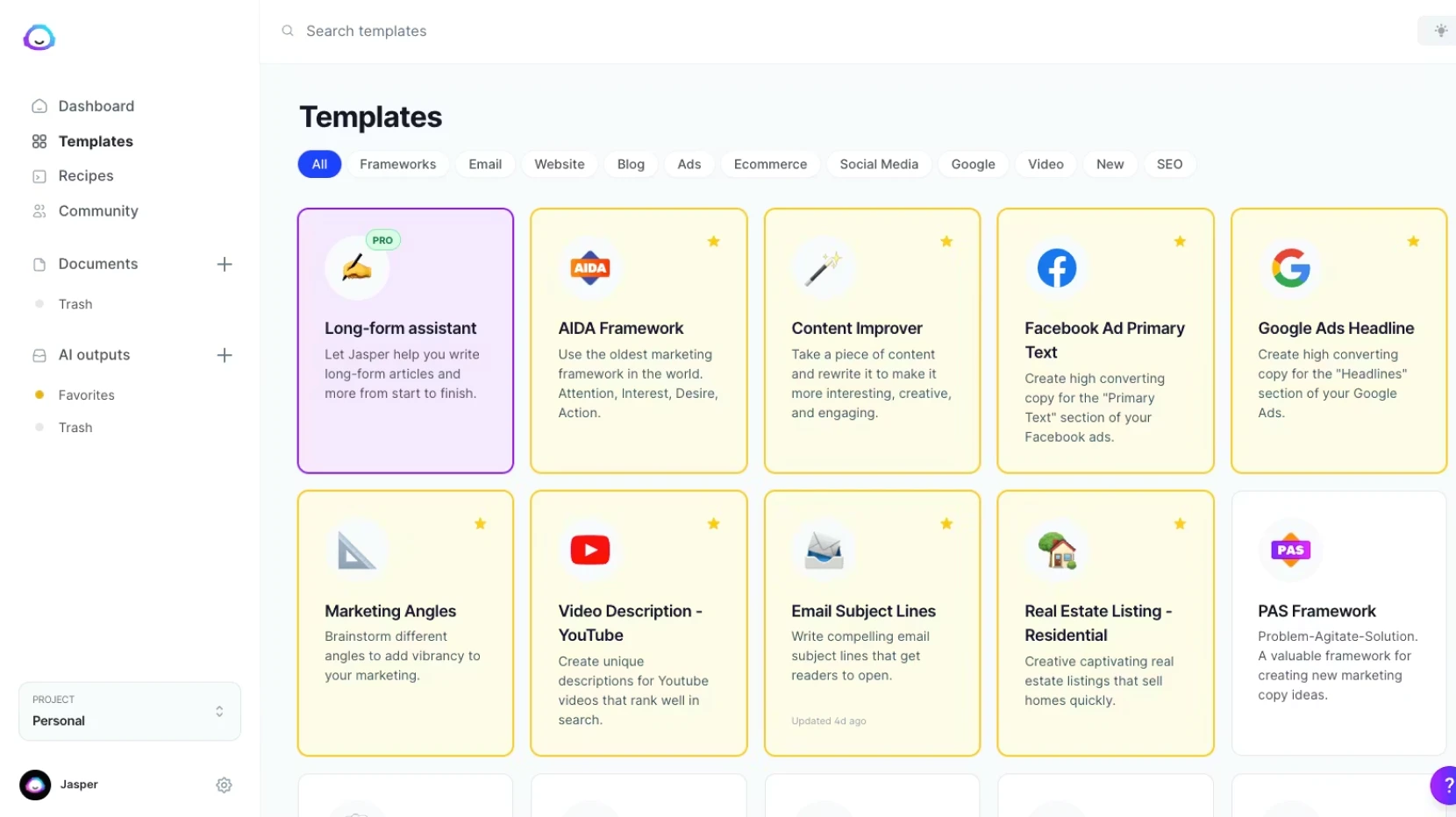
Jasper is a purpose-built AI copywriting tool designed specifically for marketing use cases. They offer templates for ads, emails, landing pages, and social posts, helping teams produce on-brand copy faster and more consistently.
Best for: Marketing teams creating brand-consistent content at scale across multiple channels.
2026 update: Jasper evolved from a copywriting tool to a full AI Content Automation platform with Jasper Grid and Studio for workflow automation. The platform now includes a no-code AI App Builder, API access, and SOC2 compliance for enterprise customers.
Key features:
- Brand Voice training (learns your writing style)
- 50+ content templates (emails, ads, blogs, social posts)
- Team collaboration with role-based permissions
- Browser extension for AI everywhere
- Plagiarism detection
- Multi-language support (30+ languages)
- AI image generation (Jasper Art)
Limitations:
- A credit-based system can get expensive for heavy users
- Still requires human editing for nuance and accuracy
- Best for English content (other languages less refined)
- No campaign execution or performance tracking
Pricing: Creator plan $39/month (billed annually); Pro plan $59/month ($69 monthly).
Grammarly
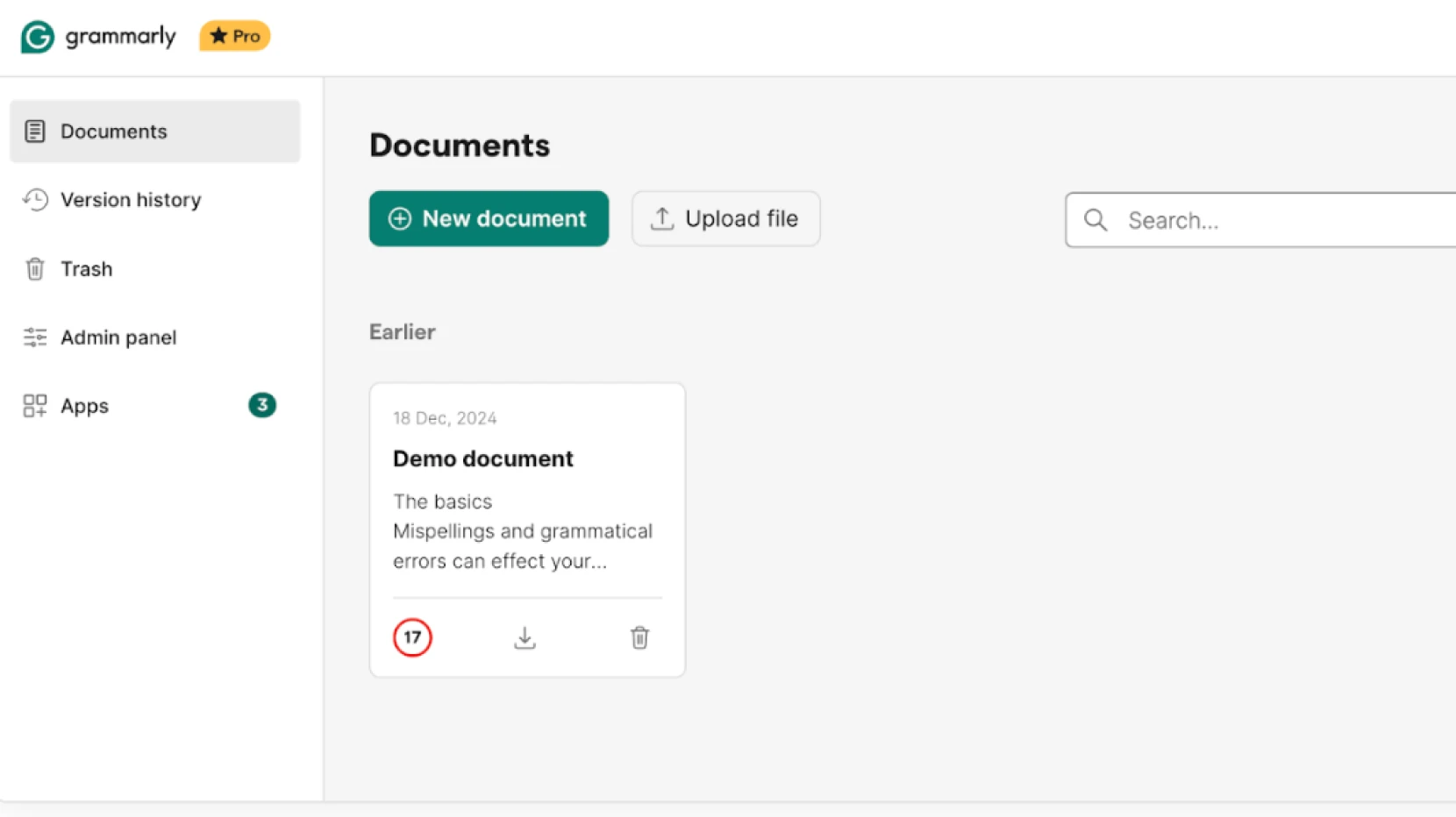
Grammarly focuses on improving clarity, tone, and correctness across written content. Its AI-powered suggestions help marketers polish copy for emails, blogs, and landing pages, reducing friction in day-to-day writing.
Best for: Real-time writing assistance, editing, and AI-powered rewriting across all platforms
The GrammarlyGO difference:
Before: Grammarly corrected your writing.
Now: GrammarlyGO creates and transforms it. Ask it to “make this more persuasive” or “rewrite for a technical audience,” and it adapts your content while maintaining your core message. It’s ChatGPT embedded in your workflow.
Key features:
- Real-time grammar & clarity checks across 1M+ apps and sites (Gmail, Google Docs, Slack, LinkedIn, etc.)
- GrammarlyGO AI writing: Generate, rewrite, summarize, or change tone with prompts
- Tone detector: Analyzes if your writing sounds confident, friendly, assertive, or concerned
- Plagiarism checker: Scans against billions of web pages (Pro plan only)
- Full-sentence rewrites: AI suggests clearer, more concise alternatives
- Style consistency: Flags wordy phrases, redundancies, passive voice
- Browser extension: Works everywhere you write online
Limitations:
- AI prompts are limited (100 free, 2,000 Pro) — heavy users may hit caps
- Best for editing/improving existing content (not ideal for generating long-form from scratch)
- Works best for English (other languages are less refined)
Pricing: Free plan with 100 AI prompts/month; $12/month annual ($30/month, monthly) for Grammarly Pro.
Canva AI
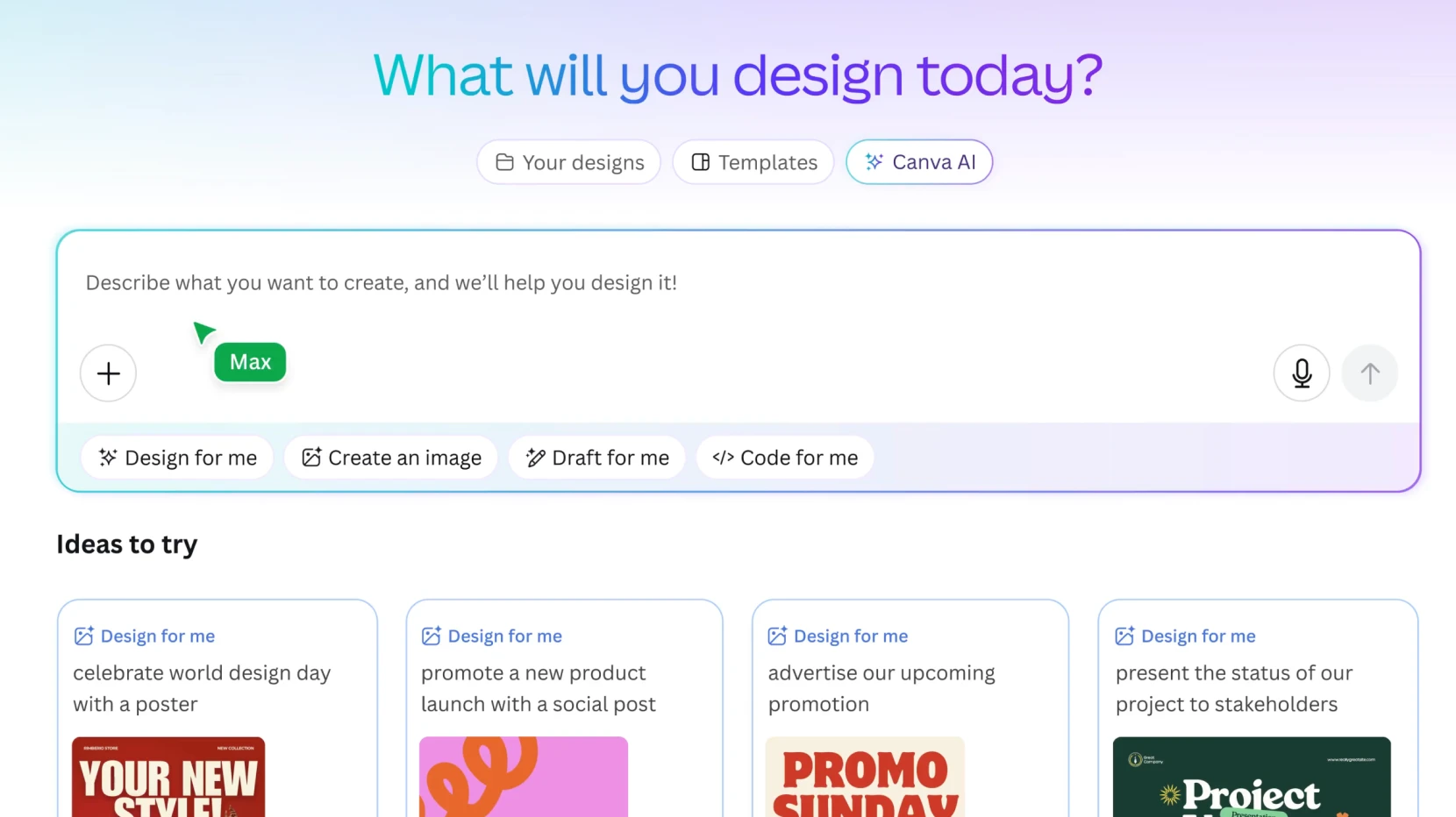
As one of the most popular AI marketing tools, Canva AI is widely used to quickly produce on-brand marketing assets, especially by non-designers. It supports presentations, ads, social media graphics, and lightweight creative experimentation.
Best for: Non-designers creating professional marketing visuals across all channels
2026 update: Canva’s AI suite Magic Studio has been used 5+ billion times and now powers everything from text-to-image generation to video creation. In 2026, Canva launched its Creative Operating System and added Canva AI — a conversational AI assistant that works inside designs to generate, edit, and provide feedback. Magic Studio is powered by GPT-4 (OpenAI) for text generation and includes native DALL-E integration.
Key Features:
- Generate complete layouts from text prompts (presentations, social posts, videos)
- AI copywriting for captions, headlines, body copy
- Edit images with text prompts (replace backgrounds, add/remove objects)
- Extend image borders, change aspect ratios
- Convert designs between formats (Instagram → LinkedIn → Email header)
- Add motion to static designs
- Text to image & video
- Brand kit integration: Auto-applies your fonts, colors, logos
Limitations:
- AI-generated images can look generic without detailed prompts
- Free tier has limited AI feature uses
- Best for social/digital — not print-ready for high-end campaigns
Pricing: Free tier (limited AI uses); Canva Pro $15/month or $120/year.
Figma
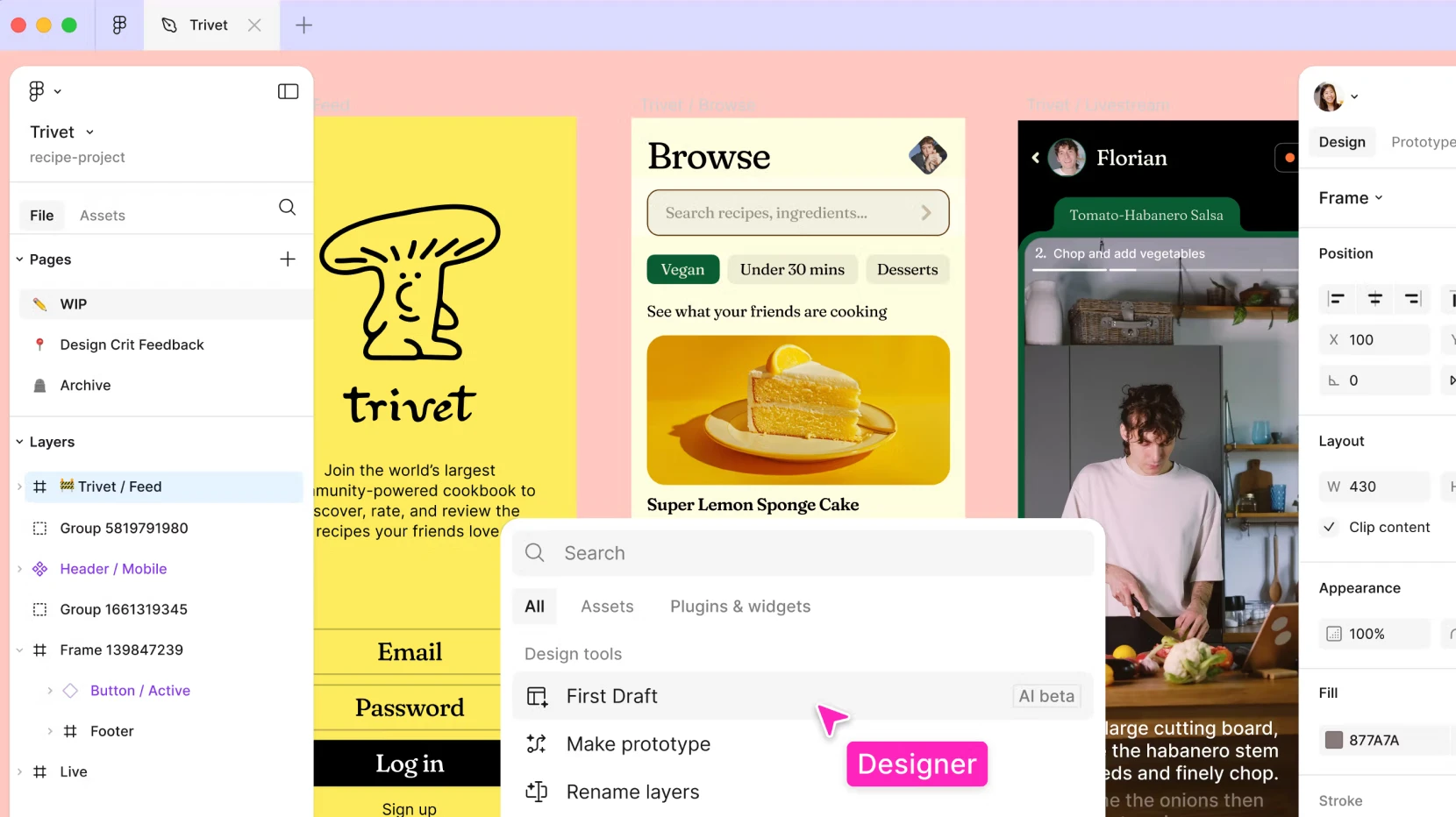
Figma AI helps teams generate layouts, UI components, and design concepts using prompts. It’s especially useful for landing pages, product marketing assets, and rapid iteration between design and marketing teams.
Best for: Product teams, UI/UX designers, and marketers creating interactive prototypes and design systems
2026 update: Figma launched Figma Make in May 2025 — a revolutionary prompt-to-app tool that transforms ideas into functional prototypes instantly. Combined with AI-powered image editing tools (erase, isolate, expand), Figma has evolved from a design canvas into an AI-powered product development platform.
Key features:
- Generate interactive prototypes from text prompts
- Imports your design library for brand consistency
- Creates functional UI with real code (not just mockups)
- Supports web, mobile, and dashboard designs
- AI image editing
Limitations:
- Steeper learning curve than Canva (more powerful, less beginner-friendly)
- Requires a paid plan for AI features
Pricing: Free plan wth basic design features (no AI), $12/user/month for Pro plan.
Note: If Canva is AI for creating social posts, Figma is AI for building products. Use it when you need functional prototypes, design systems, or anything that needs to go from design to development.
Midjourney

Midjourney is a popular tool for generating photorealistic and artistic images, particularly strong for creative concepts. Marketers use them to create unique campaign assets, social visuals, and brand imagery without relying on stock photos.
Best for: High-quality custom AI image generation for a marketing campaign.
Limitations:
- Can’t generate images of specific real people (by design)
- Text in images often requires correction
- Results vary — may need 10+ generations to get the perfect image
Pricing: from $10/month.
Semrush AI features
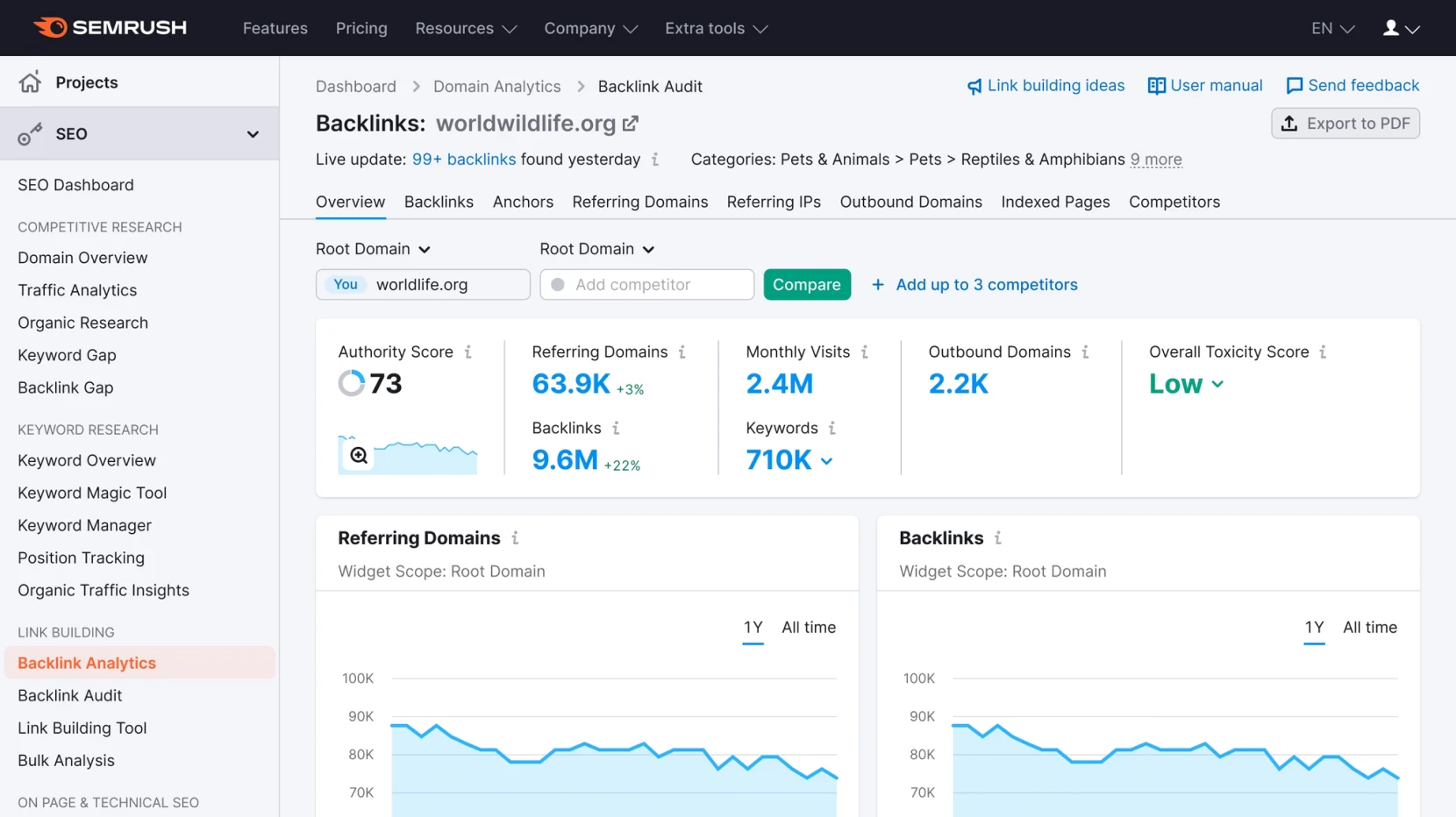
Semrush uses AI to enhance keyword research, competitor analysis, content planning, and SERP forecasting. It helps marketers understand where demand exists and how to structure content to capture organic traffic.
Best for: Comprehensive SEO research, competitive analysis, and content optimization
2026 update: Semrush integrated AI across its platform with the ContentShake AI tool for SEO-optimized content creation and the AI SEO Toolkit. The platform combines Semrush’s proprietary keyword and competitor data with LLM-powered writing assistance, offering real-time optimization scores and content suggestions.
Key features:
- Keyword Magic Tool: 25B+ keyword database
- ContentShake AI: Generate SEO-optimized articles with real keyword data
- AI Assistant: Customized recommendations based on your website
- Competitive analysis: Track competitor rankings, backlinks, and content
- On-page SEO checker: Technical audit and recommendations
- Keyword strategy builder: AI-powered content planning
Limitations:
- Steep learning curve for beginners
- Can be overwhelming (120+ tools)
- Expensive for small businesses
- Doesn’t write content automatically (shows you what to write)
Pricing: Pro $139.95/month; Guru $249.95/month; Business $499.95/month
Ahrefs AI
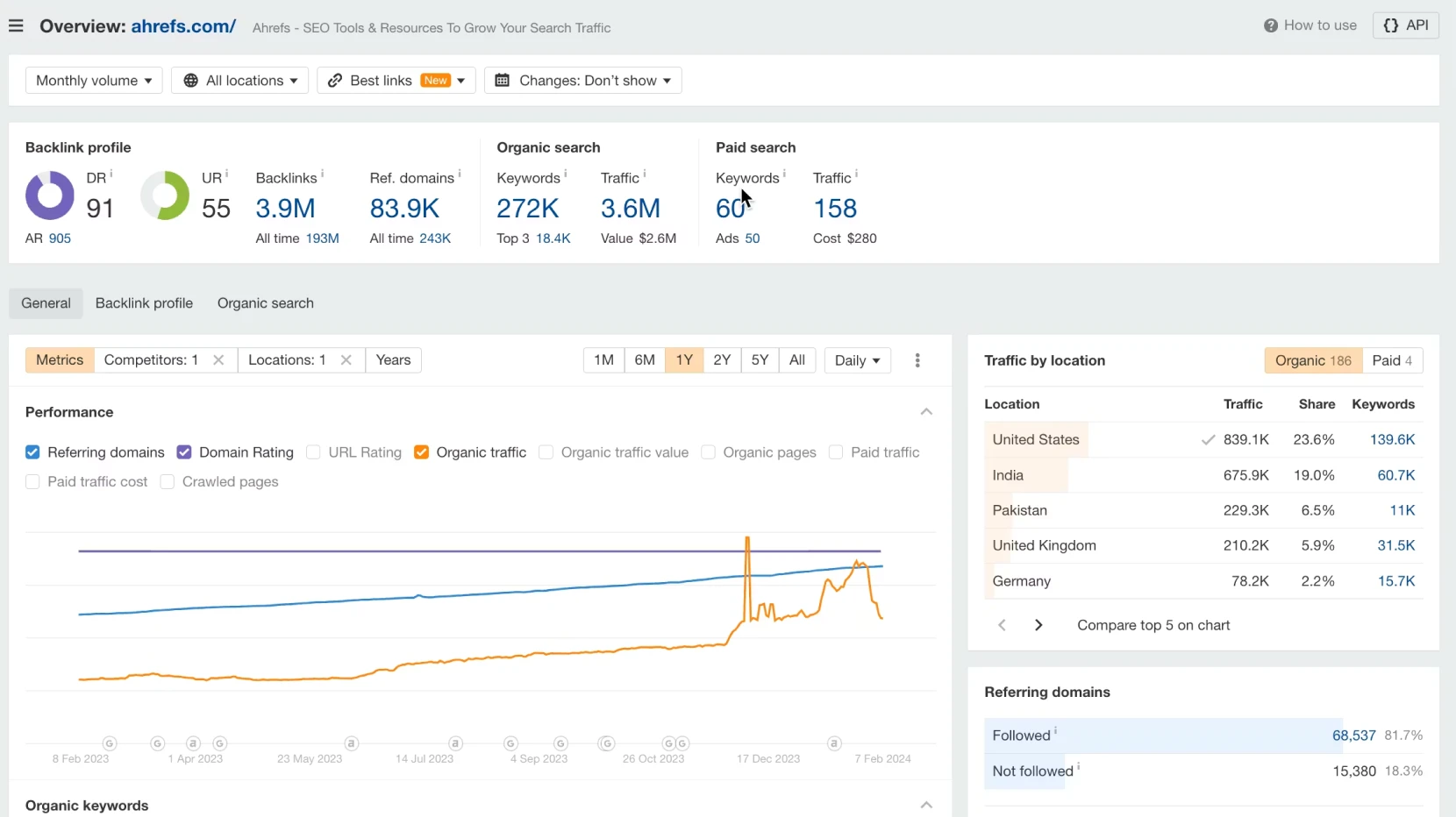
Ahrefs’ AI-powered features support content ideation, keyword analysis, and competitive research. It’s often used to validate demand and identify ranking opportunities before investing in content or campaigns.
Best for: Backlink analysis and SEO research with AI content assistance
Key features:
- Monitors brand mentions across 6 AI platforms (ChatGPT, Perplexity, Google AI Overviews, Gemini, Copilot, Claude)
- Topic gap identification (where competitors appear but you don’t)
- Organic traffic estimates with geographic breakdown
- Keyword difficulty scores and traffic potential
- SERP analysis with AI Overview presence
Limitations:
- Expensive for small businesses
- AI Content Helper costs an additional $99-$299/month on top of the base plan
Pricing: Lite $129/month; Standard $249/month; Advanced $449/month.
Surfer SEO
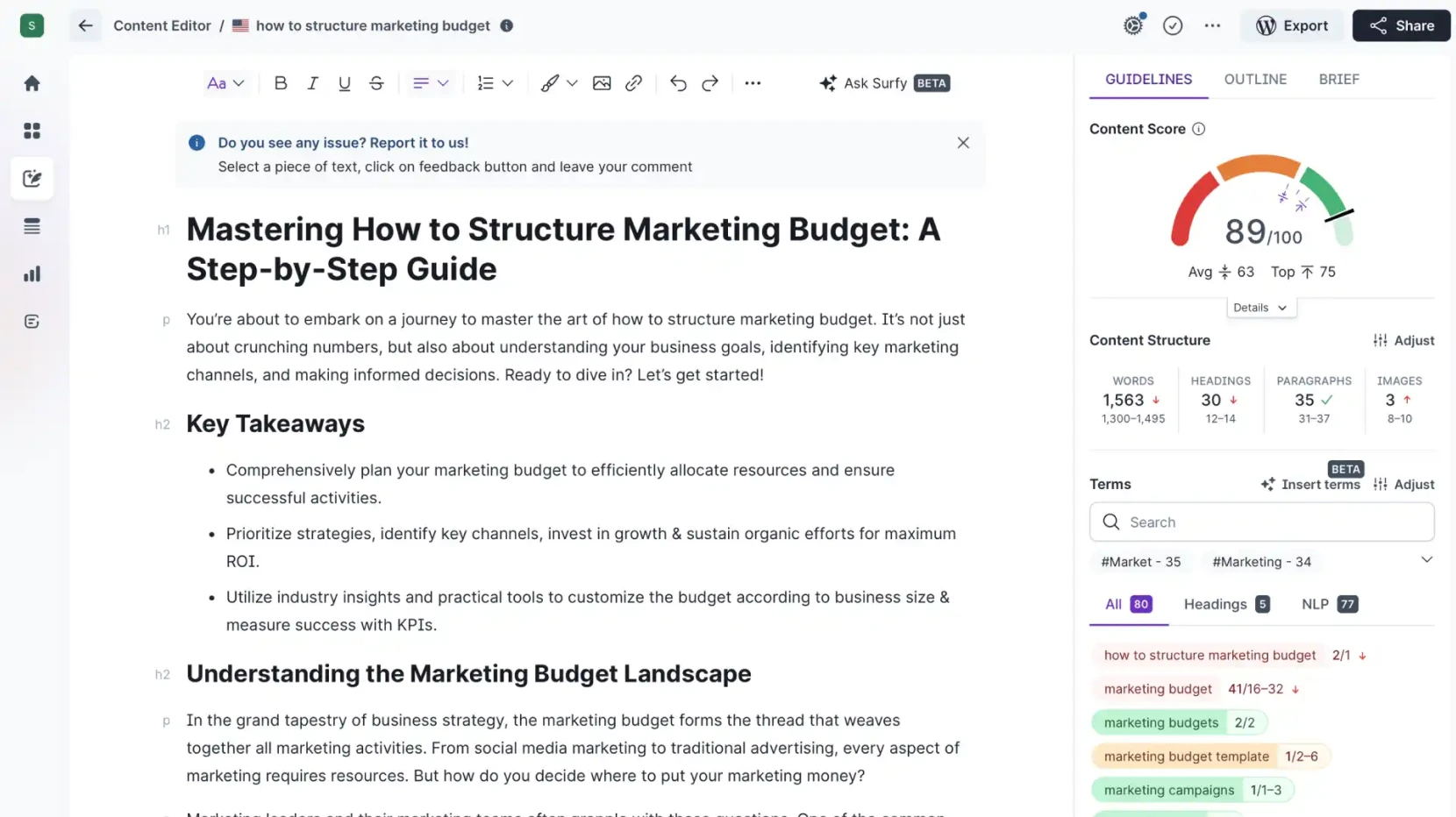
Think of Surfer as a GPS for SEO content. Write a blog post and watch your score improve in real-time as you add relevant keywords, adjust structure, and optimize length. It compares your content to the top 10 ranking pages and tells you exactly what’s missing.
Best for: Real-time content optimization while you write
Key features:
- Live content scoring as you write
- Keyword density recommendations
- Competitor content analysis
- Content outline generator
- SERP analyzer
Pricing: Essential $89/month; Scale $179/month; Scale AI $219/month.
Pushwoosh’s ManyMoney AI
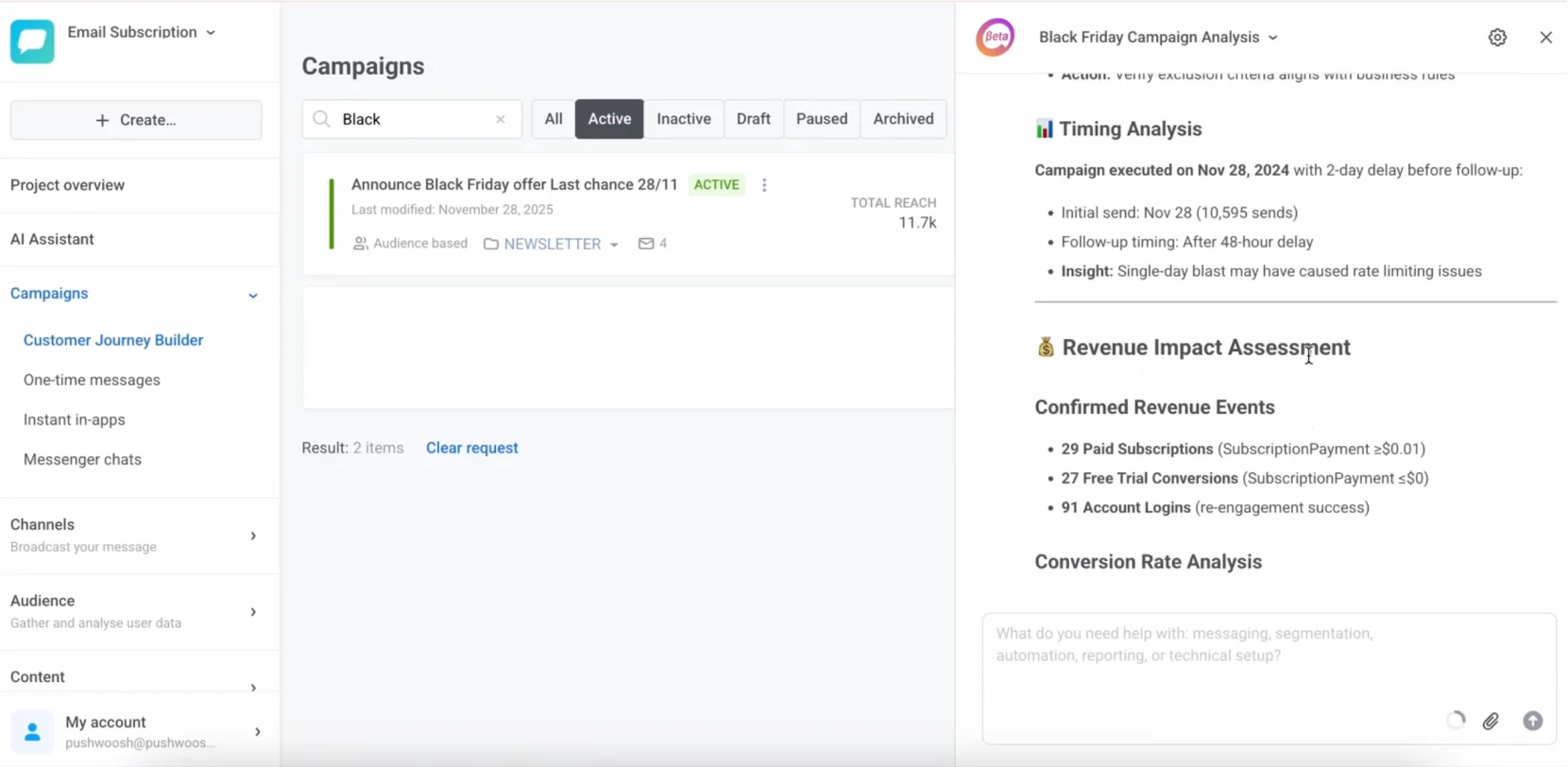
Pushwoosh’s ManyMoney AI is an email marketing automation tool that automates the most time-consuming parts of marketing — campaign execution, optimization, and iteration — so marketers spend less time managing tools and more time driving growth.
Best for: Mobile-first apps and e-commerce brands seeking automated, revenue-driven customer engagement across all channels (email, push notifications, in-app messaging, SMS)
2026 update: Unlike content-focused AI tools, Pushwoosh ManyMoney AI is an autonomous marketing copilot that optimizes for revenue rather than engagement metrics alone. ManyMoney AI represents the next evolution: AI that doesn’t just create campaigns — it runs your entire marketing operation through chat, end to end.
What makes it different: Writing copy is rarely the hard part. The real challenge is managing dozens of campaigns, experiments, and optimizations at once. While ChatGPT or Jasper generates text, and an email tool handles delivery, Pushwoosh does all that and more, automating the creation, launch, and optimization of marketing campaigns for you. This allows marketers to test more ideas faster and focus on real business results rather than operational tasks.
Key Features:
- Creates complete customer journeys from natural language prompts
- Build audience segments with AI recommendations
- Creates subject lines, body copy, and CTAs
- Adjusts send times based on user behavior patterns
- Automatically stops underperforming campaigns
Watch the video demonstrating how ManyMoney AI analyzes the performance of previous campaigns and builds a new one:
Pricing: Custom pricing based on channel usage, monthly active users, and message volume (contact for a quote).
The future of AI marketing: From tools to systems
AI marketing tools have made creating content faster and easier, but speed alone doesn’t scale marketing. The real advantage in 2026 comes from AI that can act on user data, coordinate campaigns across channels, and continuously optimize performance throughout the customer lifecycle.
If you’re already using AI to generate copy, designs, or SEO content, the next step is automation. Moving from isolated tools to an AI-driven system allows marketers to spend less time managing workflows and more time improving engagement, retention, and revenue.
Pushwoosh’s ManyMoney AI is built for that shift, helping digital marketers move beyond content and toward fully automated, data-driven lifecycle marketing.
FAQ
How are AI marketing tools used in digital marketing?
AI marketing tools are used to speed up execution and improve decision-making across the marketing workflow. Common use cases include generating marketing copy, creating visuals, researching keywords, personalizing messages, automating campaigns, and optimizing performance based on user behavior and real-time data.
What’s the difference between AI marketing tools and AI marketing automation tools (platforms)?
AI marketing tools often focus on single tasks, such as writing copy, generating images, or analyzing keywords.
AI marketing automation platforms go further by using AI to run campaigns, manage audiences, optimize journeys, and make decisions based on real user behavior. In short, tools assist marketers, while automation platforms help marketing systems operate at scale.
Can AI marketing tools fully automate campaigns?
Some can. Task-based AI tools usually stop at content or research. More advanced platforms, like Pushwoosh ManyMoney AI, can automate large parts of campaign execution, including segmentation, messaging, journey optimization, and performance adjustments, while still allowing marketers to stay in control and review results.
How do I choose the right AI marketing tool for my business?
Start by identifying the job-to-be-done:
- If you need content faster, choose AI copy or design tools
- If you need traffic, choose AI SEO and research tools
- If you need personalization, retention, and scalable growth, choose AI marketing automation tools