हर mobile team को देर-सबेर यही सवाल आता है: यह message push notification से जाना चाहिए या SMS से? जवाब इस पर depend करता है कि आप क्या achieve करना चाहते हैं, audience कौन है, किस level का consent है, और per-message budget कितना है।
इस guide में हम देखेंगे push और SMS actually काम कैसे करते हैं, कौन सा channel किस scenario के लिए best है, और दोनों को बिना user को परेशान किए कैसे combine करें। साथ ही आप देखेंगे कि Pushwoosh दोनों channels को एक ही Customer Journey Builder में कैसे manage करता है — जो भारतीय Android-first apps के लिए काफी relevant है।
Push notification क्या है?
Push notification एक छोटा, tappable message है जो user के lock screen या notification shade पर दिखता है। यह app या website से आता है और तब भी दिखता है जब app बंद हो।
इसके दो types हैं:
Mobile push notifications native iOS या Android app से आते हैं। User को app install करना होता है और notification permission देनी होती है। Messages Apple Push Notification service (APNs) या Firebase Cloud Messaging (FCM) से travel करते हैं, इसलिए device का online होना ज़रूरी है।
Web push notifications website से browser (Chrome, Firefox, Safari) के through भेजे जाते हैं। User browser prompt से opt-in करता है। App install करने की ज़रूरत नहीं है, लेकिन internet connection चाहिए।
दोनों types rich media (images, GIFs, action buttons, deep links) support करते हैं, जो push को flash sale से लेकर personalized content recommendations तक flexible channel बनाता है।
SMS क्या है?
SMS (Short Message Service) cellular network पर phone number पर भेजा जाने वाला text message है। हर segment 160 characters पर capped है। लंबे texts multiple segments में टूटते हैं, और हर segment का separately cost आता है।
MMS images, audio और video के साथ SMS को extend करता है, लेकिन यह कम universal और ज़्यादा expensive है।
Push से key difference: SMS को internet connection या installed app की ज़रूरत नहीं होती। Cellular signal वाला कोई भी basic feature phone काफी है। यह SMS को उन messages के लिए सबसे reliable channel बनाता है जो definitely deliver होने चाहिए — भारत के tier-2 और tier-3 cities में जहाँ connectivity fluctuate करती है, यह खासकर matter करता है।
Other characteristics जो जानने लायक हैं:
- SMS natively two-way है। Users free text में reply कर सकते हैं, जो appointment confirmations या light support flows के लिए useful है।
- Reach लगभग universal है। कोई भी active phone number SMS receive कर सकता है — चाहे smartphone हो या feature phone।
- Consent rules strict हैं। TRAI guidelines और DND framework के under explicit written opt-in ज़रूरी है। Commercial SMS के लिए DLT registration भी mandatory है।
Push vs. SMS: side-by-side comparison
| Feature | Push notifications | SMS |
|---|---|---|
| Delivery mechanism | Internet (APNs, FCM, browser services) | Cellular network (SMSC) |
| Internet required? | हाँ। Device online होने तक queue में रहता है | नहीं। सिर्फ़ cellular signal चाहिए |
| App/website dependency | App installed या browser subscription | सिर्फ़ phone number |
| Content format | Rich media, action buttons, deep links | Plain text (160 chars). MMS for media |
| Cost | Platform fee में included, per-message cost नहीं | Per-segment charges, region से vary करता है |
| Two-way communication | Limited (predefined action buttons) | Native free-text replies |
| Audience reach | App/web subscribers only | कोई भी active mobile phone globally |
| Personalization depth | High (behavioral data, dynamic content, location) | Basic (name, order number) |
| Analytics | Full funnel: delivery, open rate, CTR, conversions, revenue | Delivery reports, link clicks via shorteners |
| Consent model | App/browser permission prompt | Explicit opt-in (TRAI DND, DLT registration) |
| Deep linking | Native, specific app screen पर directly | URL shorteners, less integrated |
Push richer, per-message cheaper है, और better data देता है। SMS ज़्यादा reliable और urgent है, ज़्यादा users तक पहुँचता है। भारतीय apps में दोनों अक्सर ज़रूरी होते हैं।
Push notifications कब best काम करते हैं
Push आपका main channel है जब user के पास आपका app है और आप उसे app के अंदर action करवाना चाहते हैं। यहाँ वे scenarios हैं जहाँ push consistently SMS को beat करता है:
Promotional offers और flash sales। Rich media attention खींचता है। Deep link user को सीधे product page पर ले जाता है। कोई per-message cost नहीं — तो आप aggressively A/B test कर सकते हैं। Flipkart Big Billion Days, Amazon Great Indian Festival और Myntra EORS जैसे sale events के लिए बहुत relevant।
Abandoned cart reminders। Well-timed push (cart छोड़ने के 30–60 minutes बाद) cart link के साथ e-commerce ROI को noticeably बढ़ाता है। भारतीय e-commerce में यह एक proven strategy है।
Feature announcements। Push notifications active users को new features के बारे में inform करने के लिए ideal हैं, deep links से engagement boost होता है।
Daily engagement nudges। Games में login bonuses, fitness apps में streak reminders, और EdTech apps में course completion reminders — BYJU’S, Unacademy जैसे बड़े platforms इसी तरह daily habit loop maintain करते हैं।
Personalized recommendations। Behavioral segmentation को dynamic content के साथ combine करें ताकि product या content suggestions relevant लगें, spammy नहीं।
भारतीय industry examples:
- E-commerce (Flipkart, Myntra, Meesho जैसी scale की apps): price drop alerts, back-in-stock notifications, cashback reminders
- EdTech (BYJU’S, Unacademy, Vedantu scale): course reminders, live class alerts, streak nudges
- FinTech (UPI apps, investment platforms): feature announcements, transaction summaries — security alerts अभी भी SMS पर
- News और media: breaking news, personalized content digests
SMS कब better choice है
SMS per-message cost तब justify करता है जब delivery mandatory हो।
OTPs और two-factor authentication। Security codes किसी भी device पर instantly deliver होने चाहिए। SMS standard है — यही reason है कि हर Indian bank और payment app OTP के लिए SMS use करता है।
Emergency और service alerts। System outages या security threats के लिए, SMS बिना internet के भी critical messages deliver करता है।
Appointment confirmations और reminders। SMS replies appointments confirm करते हैं और no-shows reduce करते हैं — app की ज़रूरत नहीं। Doctor clinics, salon bookings, और government service appointments में common।
Order और delivery updates। Shipping notifications, rider ETA, delivery confirmations — भारतीय users expect करते हैं कि यह SMS पर भी आएंगे, खासकर जब वे app install नहीं करते।
Suspicious login attempts और password resets। SMS urgency और trust की एक layer add करता है।
Industry examples:
- FinTech / Banking: fraud alerts, sensitive transactions के लिए 2FA, RBI-mandated transaction alerts
- Logistics और mobility: driver updates, delay notifications (Zomato, Swiggy, Rapido जैसी apps)
- E-commerce: payment reminders, urgent flash sales उन users के लिए जिन्होंने app uninstall कर दिया है
दोनों channels combine करना: fallback strategy
सबसे strong mobile communication strategies एक channel नहीं चुनतीं। वे push को primary channel के रूप में use करती हैं और SMS को critical messages या unreachable users के लिए fallback के रूप में।
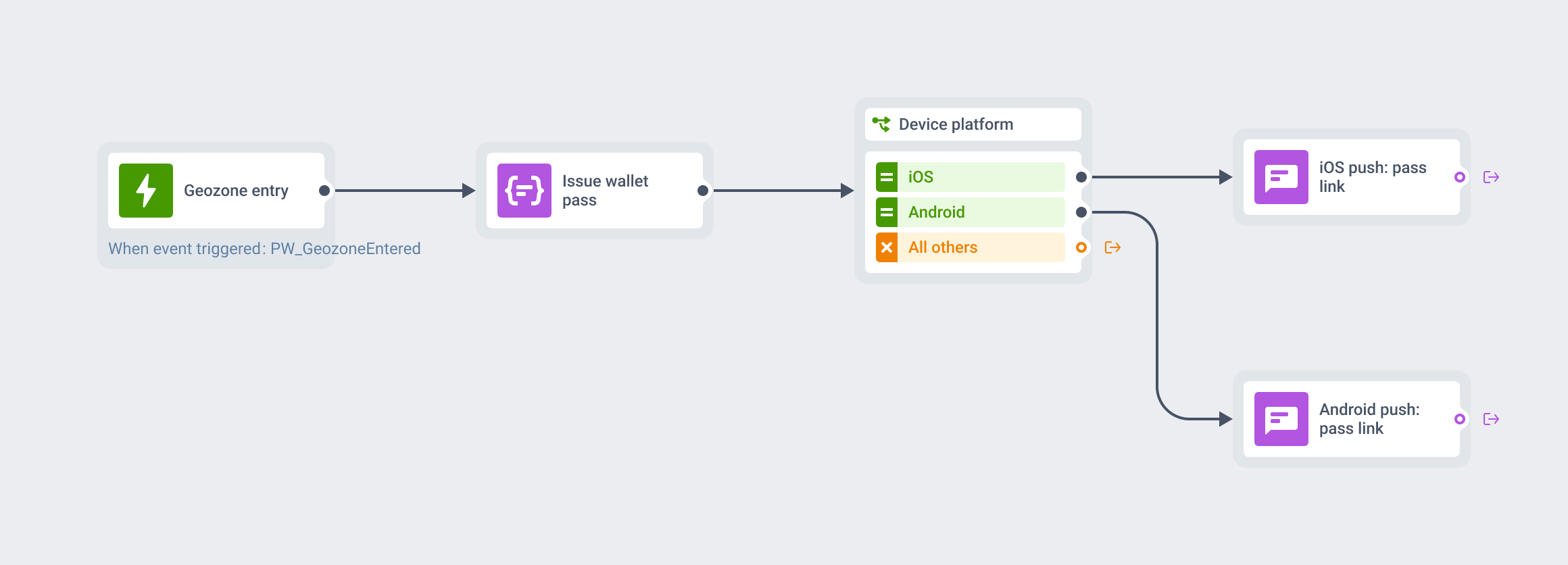
Pushwoosh Customer Journey Builder में एक typical flow:
- Push notification भेजें promotional offer या transactional update के साथ।
- 1–2 hours wait करें। Check करें कि user ने खोला या नहीं।
- अगर no engagement, SMS भेजें उसी message की condensed version के साथ।
यह approach costs कम रखता है (push per-message free है) जबकि important communications ज़रूर land करवाता है। Customer Journey Builder इस logic को visually handle करता है drag-and-drop triggers, wait conditions और channel splits के साथ।
Pushwoosh AI भी apply करता है channel selection और timing optimize करने के लिए। कुछ segments के लिए, morning में SMS push को outperform करता है। दूसरों के लिए reverse सच है। AI आपके data से यह patterns सीखता है और delivery को automatically adjust करता है — भारत जैसे time-zone sensitive market में यह बहुत useful है।
Messages को और relevant बनाना: segmentation और personalization
सही channel चुनना आधा काम है। बाकी आधा है यह ensure करना कि message content recipient से match करता है।
Behavioral segmentation। Pushwoosh Tags और Events users को उनके actual actions के हिसाब से group करते हैं: purchases, content views, feature usage, app launches। वह user जिसने running shoes browse कीं लेकिन खरीदीं नहीं, उसे उसी category पर discount के साथ push मिलती है। एक high-value user जिसने 14 दिनों में app नहीं खोली, उसे win-back offer के साथ SMS मिलता है।
RFM segmentation। Recency, Frequency और Monetary value scoring loyal customers को at-risk वाले से separate करने में help करती है। High-RFM users को push के through exclusive early access मिल सकता है। Low-recency users को re-engagement SMS last resort के रूप में churn से पहले।
Dynamic content। User-level attributes (name, city, last purchase, favorite category) push और SMS templates में insert करें। एक 160-character SMS भी personal feel होता है जब वह user के last order को name से reference करे।
यह theoretical capabilities नहीं हैं। ये Pushwoosh के segmentation engine के अंदर available हैं और push व SMS दोनों channels पर काम करते हैं।
अपने goal के लिए सही channel कैसे choose करें
यह framework use करें decide करते समय:
Push choose करें जब:
- User के पास आपका app installed है
- आपको rich media या deep links चाहिए
- Message promotional या engagement-driven है
- Budget matter करता है (कोई per-message cost नहीं)
- आप detailed analytics चाहते हैं (CTR, conversions, attributed revenue)
SMS choose करें जब:
- Delivery internet access के बावजूद guaranteed होनी चाहिए
- Recipient के पास आपका app नहीं हो सकता
- Message transactional या security-related है
- आपको two-way text replies चाहिए
- Regulatory requirements वैसे भी explicit written consent demand करती हैं
दोनों use करें जब:
- Message fallback justify करने जितना important है
- आप lifecycle campaign चला रहे हैं (onboarding, win-back, renewal)
- आपकी audience app users और non-app users में split है
Pushwoosh के साथ अपनी mobile messaging ROI बढ़ाएं
Push और SMS के बीच choose करना favorite pick करने के बारे में नहीं है। यह हर message को उस channel से match करने के बारे में है जहाँ वह best perform करेगा, और उस decision को scale पर automate करने की infrastructure रखने के बारे में है।
Pushwoosh आपको दोनों channels एक platform में देता है, behavioral segmentation, RFM scoring, dynamic content, AI-powered timing, और एक visual Customer Journey Builder के साथ जो fallback logic को code के बिना handle करता है। Platform SOC 2 Type 2 और ISO 27001:2022 certified है, GDPR और HIPAA compliant है, EU और US data centers के साथ।