Amazon Pinpoint जा रहा है। AWS 30 अक्टूबर 2026 को इस service का support बंद कर देगा, और console — endpoints, segments, campaigns, journeys, analytics — सब साथ में चला जाएगा। अगर आप ये पढ़ रहे हैं, तो शायद आप पहले ही मान चुके हैं कि आपकी messaging को नया घर चाहिए, और अब आप उस मुश्किल सवाल पर हैं: कौन सा।
AWS ने shutdown और अपने recommended replacements अपने official end-of-support notice में बता दिए हैं; ये article वहाँ से आगे की बात करता है। अगर पहले आपको migration का कब और कैसे चाहिए (deadline, क्या बंद होगा, export steps), वो हमारी Amazon Pinpoint end-of-support migration guide में detail से है। ये article वहाँ से उठाता है: किस पर move करना है।
भारत का context यहाँ मायने रखता है क्योंकि Android market share 95%+ है — यानी ज़्यादातर Pinpoint users के लिए ये कोई cross-platform balancing act नहीं है, ये Android delivery reliability के बारे में है, फिर बाकी सब।
क्या evaluate करें
3rd vendor demo के बाद feature checklists सब एक जैसी लगने लगती हैं। ये 5 criteria हैं जो Pinpoint specifically replace करते वक्त असल में decision बदलते हैं:
- Channels out of the box। Push (mobile और web), in-app, email, SMS/WhatsApp — कौन native है, और कौन add-on या partner integration? In-app वो चैनल है जिसे सबसे ज़्यादा carefully check करना चाहिए। Pinpoint users सबसे ज़्यादा यही मान लेते हैं कि हर platform के पास है, और ये assumption टिकती नहीं: AWS का अपना recommended path, Amazon Connect, in-app messaging को सपोर्ट ही नहीं करता।
- Pricing model। Per-MAU, per-profile, per-seat, या pure usage-based — sticker number से ज़्यादा model मायने रखता है। Per-profile model बड़े inactive lists को penalize करता है; per-MAU model engaged growth को penalize करता है। Model को अपने user base के shape से match करें, सिर्फ headcount से नहीं।
- Migration effort। क्या आप endpoints को API या UI से import कर सकते हैं, या आपको custom ETL pipeline बनाकर reshape और load करना पड़ेगा? ये असली cost है, engineering hours में, और vendors के बीच काफी अलग होती है।
- जो पहले था उसकी parity। Pinpoint की Campaigns और Journeys specific काम करती थीं: multi-step automation, behavioral segmentation — जैसे किसी EdTech ऐप में course-completion reminders, या किसी FinTech ऐप में KYC onboarding sequence। आप जिस पर भी move करें, वो logic reproduce करनी होगी, वरना आप migrate नहीं कर रहे, rebuild कर रहे हैं।
- ये असल में किसके लिए है। एक solo developer, एक product team, और एक enterprise marketing org — तीनों को एक ही tool नहीं चाहिए। इस category में आधे bad fits वहाँ से आते हैं जहाँ छोटी team enterprise software खरीद लेती है, या enterprise 6 महीने में starter tool से बड़ी हो जाती है।
अब options, roughly “AWS के सबसे करीब” से “सबसे दूर” तक।
AWS में रहना: Amazon Connect + AWS End User Messaging
वो path जिसे AWS खुद recommend करता है। आपके engagement workloads Amazon Connect outbound campaigns और Customer Profiles पर move होते हैं, और raw channels (SMS, push, voice, OTP) AWS End User Messaging पर — जो Pinpoint के पुराने channel APIs का ही नाम है, जिसे AWS ने 2024 में बदला था।
अगर आप पहले से AWS ecosystem में गहरे हैं और ज़्यादातर transactional messages अपने backend से चलाते हैं, तो ये सही call हो सकती है, क्योंकि आप 1 vendor और 1 bill पर रहते हैं। लेकिन mobile engagement के लिए specifically, 2 documented gaps हैं: Connect में native in-app messaging नहीं है, और push एक native campaign channel नहीं है (आप इसे Lambda action वाली journey से route करते हैं)। दोनों facts सीधे AWS migration docs से हैं, और इनका practical मतलब हमारी migration guide में है, यहाँ दोहराया नहीं जा रहा।
किसके लिए सही: वो teams जो contact-center use cases के लिए पहले से AWS को commit कर चुकी हैं, और जिनके पास in-app और push के gaps खुद भरने की engineering capacity है।
Pushwoosh
Full disclosure: ये हमारा platform है, तो ऊपर के criteria से हमें भी measure करें।
Pushwoosh एक mobile-first customer engagement platform है: mobile push, in-app, और web push native, first-class channels हैं — किसी बड़े marketing suite पर bolt किए गए features नहीं। Pinpoint के push और in-app replace करने के specific case के लिए यही पूरी बात है, क्योंकि in-app ही वो channel है जो AWS path पर गायब हो जाता है। ये इस list का इकलौता option है जहाँ Pinpoint users को सबसे ज़्यादा परवाह वाली 2 चीज़ें दोनों native हैं और दोनों entry price में included हैं।
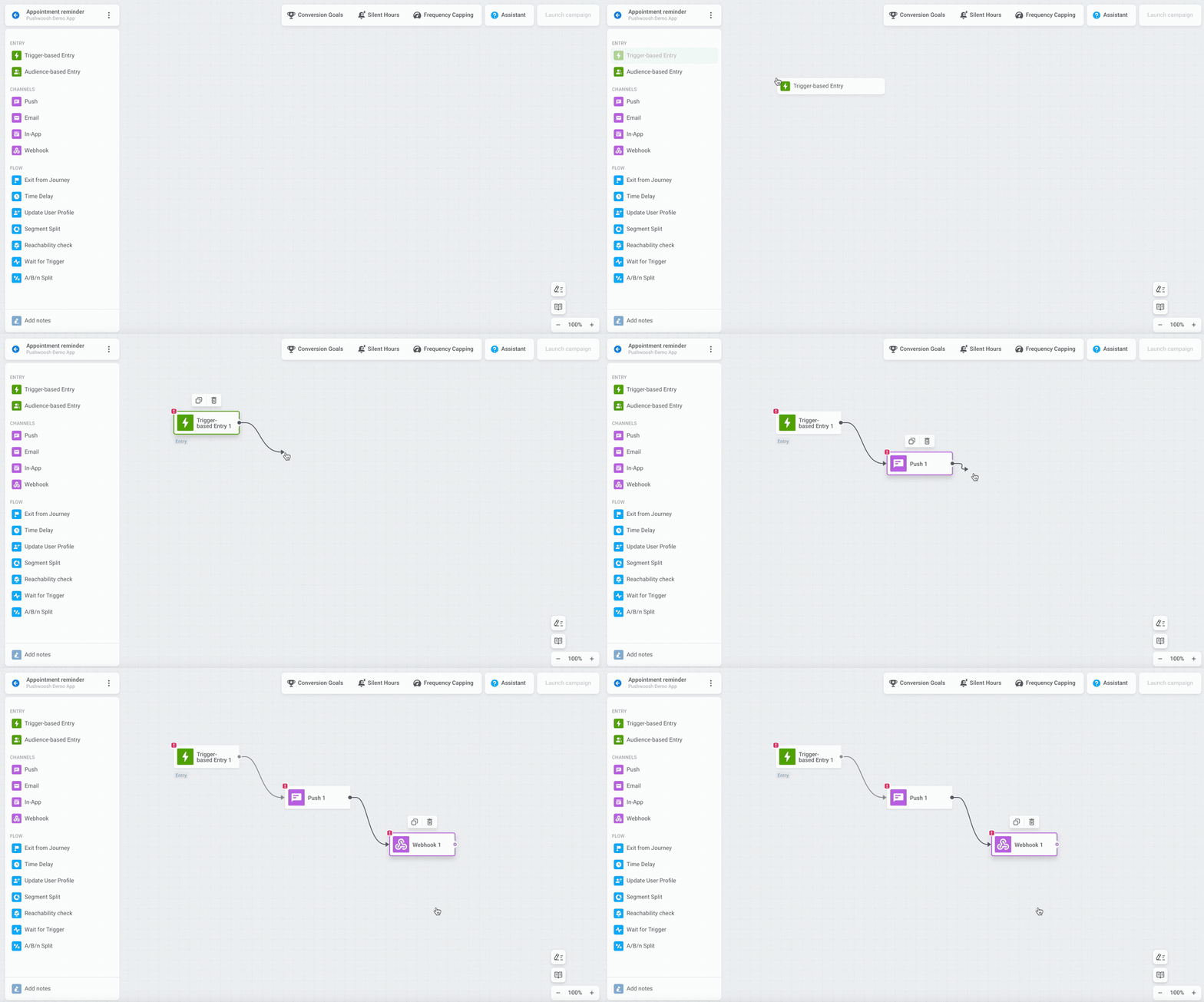
5 criteria पर run करने पर ये अच्छा perform करता है। Channels: सभी 3 push channels plus email और SMS, in-app promised नहीं बल्कि native। Migration effort: आप API या UI से import करते हैं, custom script लिखकर endpoints को reshape नहीं करते (AWS route पर आप Python job चलाकर endpoints को Customer Profiles में map करते हैं), और migrating teams को priority support मिलता है साथ में price 24 महीनों के लिए lock। Parity: पूरा toolset standard है — segmentation, Customer Journey Builder, A/B testing, analytics — कोई feature gating नहीं, कोई “Enterprise only” tiers नहीं। Pricing: per-MAU है और User ID से deduplicate होता है, तो mobile और web push दोनों पर पहुँचा 1 व्यक्ति सिर्फ 1 बार count होता है, 2 बार नहीं।
Price की बात करें तो Push Only plan $7 प्रति 1,000 MAU है और पूरा platform push-channel rate पर देता है, कोई cut-down version नहीं। पूरी pricing में email और SMS मिक्स में चाहिए तो $13 प्रति 1,000 MAU का omnichannel tier जुड़ता है, और हर plan 1,000 free MAU से शुरू होता है — इतना कि आप real segment import करके पहले खुद pilot चला सकें।
किसके लिए सही: वो product और mobile teams जिनका core case push plus in-app है, जिन्हें code-free import चाहिए और इस list पर सबसे कम entry price, बिना in-app या full feature set छोड़े।
Braze
जिस नाम को लोग “customer engagement platform” सुनकर सबसे पहले पकड़ते हैं। ज़्यादातर vendor comparisons में ये category का parent brand है, और ये उसकी सही तस्वीर भी है। Braze एक mature, omnichannel CEP है strong journey orchestration (Canvas) के साथ, जिसे Etsy, Grubhub, और HBO Max जैसे बड़े consumer brands tens of millions MAU पर इस्तेमाल करते हैं।
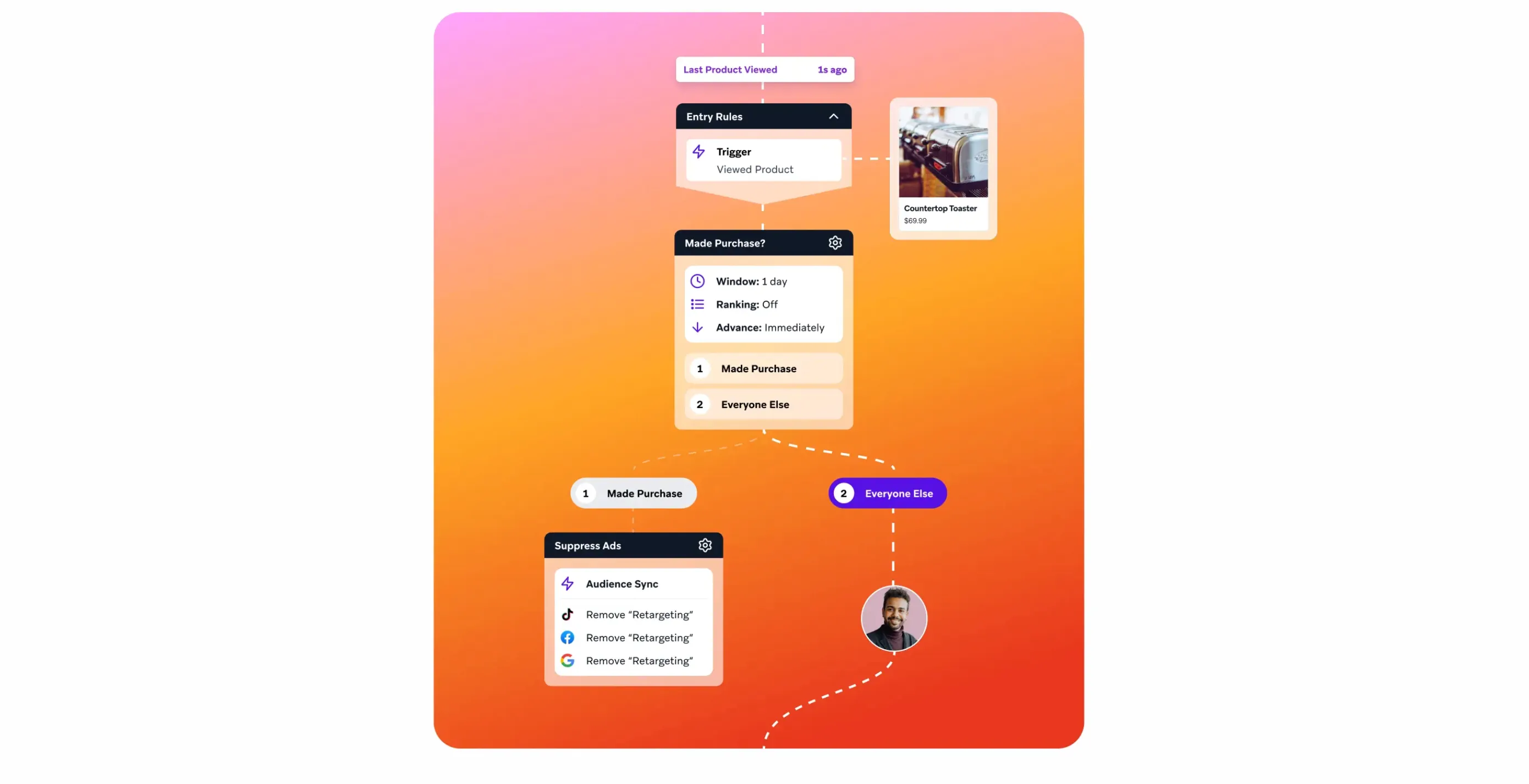
Trade-off entry की ceiling है। Braze monthly active users और message volume के आसपास बना usage-based model इस्तेमाल करता है, लेकिन कोई pricing publish नहीं करता, और third-party estimates entry-level contracts को साल के tens of thousands dollars में रखते हैं। Free trial भी नहीं है: access sales conversation और annual contract से होकर जाता है। एक strong platform है, बस enterprise के लिए price और package किया गया — जो उस team के लिए भारी commitment है जिसे मुख्यतः push और in-app चाहिए।
किसके लिए सही: enterprise marketing orgs जिनकी omnichannel needs हों और budget भी उतना ही।
OneSignal
Historically push-first, और शायद pure push side पर सबसे direct like-for-like। OneSignal ने तब से email, SMS, और in-app में expand किया है, और deadline से पहले अपनी खुद की Amazon Pinpoint migration guide publish की। यहाँ उनके arguments दोहराने की ज़रूरत नहीं; बात ये है कि shutdown को इतनी गंभीरता से लिया कि इस पर लिखा, जो बताता है कि ये एक active, mobile-oriented option है, legacy नहीं।
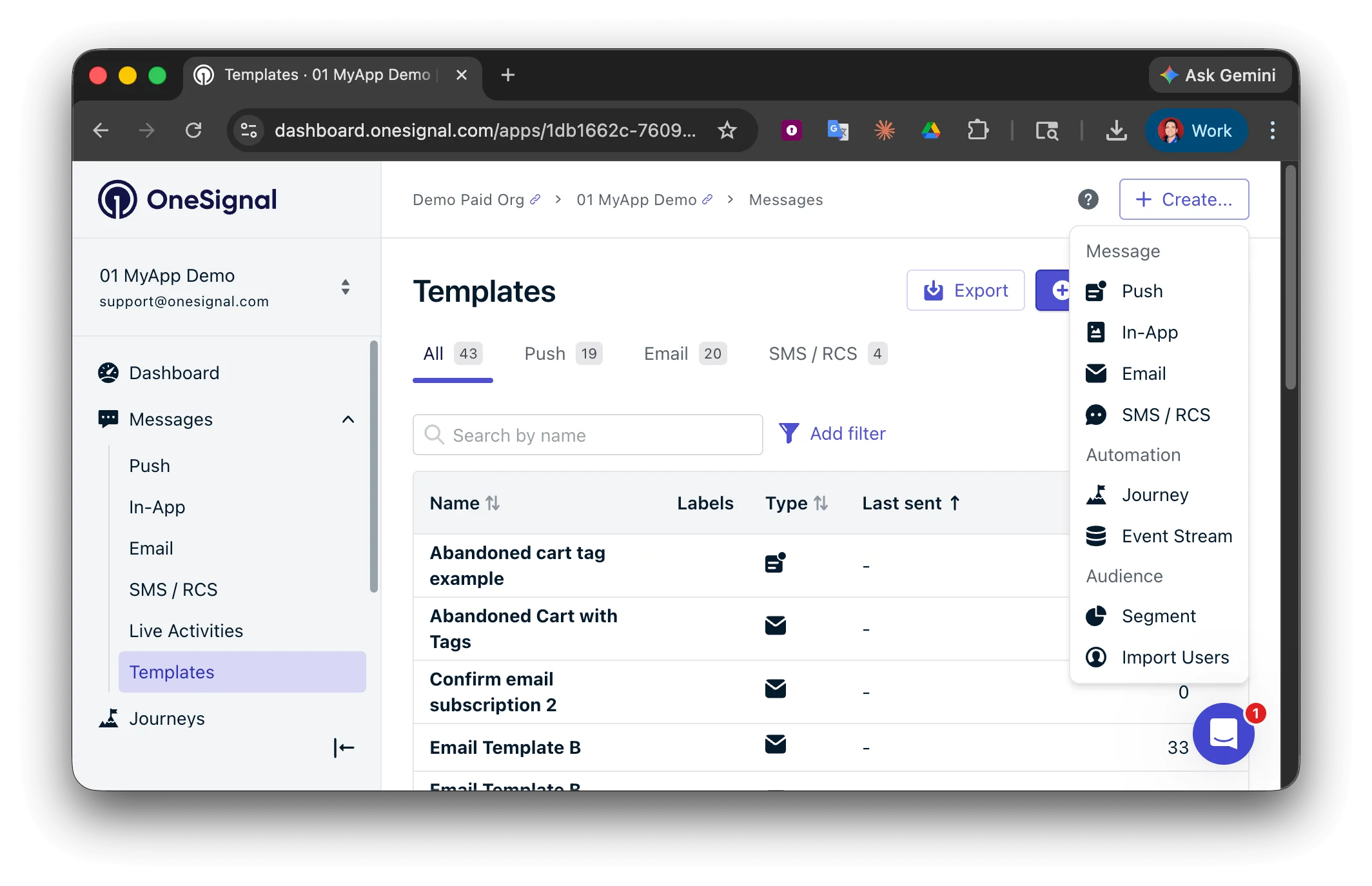
किसके लिए सही: वो teams जिनका center of gravity push notifications है, जिन्हें एक proven push engine चाहिए जिसके आसपास omnichannel जुड़ा हो।
Customer.io और Iterable
2 email-led engagement platforms जिन्हें AWS consultancy Caylent ने अपने Pinpoint deprecation write-up में specifically marketing-oriented teams के लिए alternatives बताया जो Pinpoint से migrate कर रही हैं। दोनों lifecycle और behavioral email में strong हैं, automation के साथ ऊपर, और दोनों ने push, SMS, और in-app में भी push किया है।
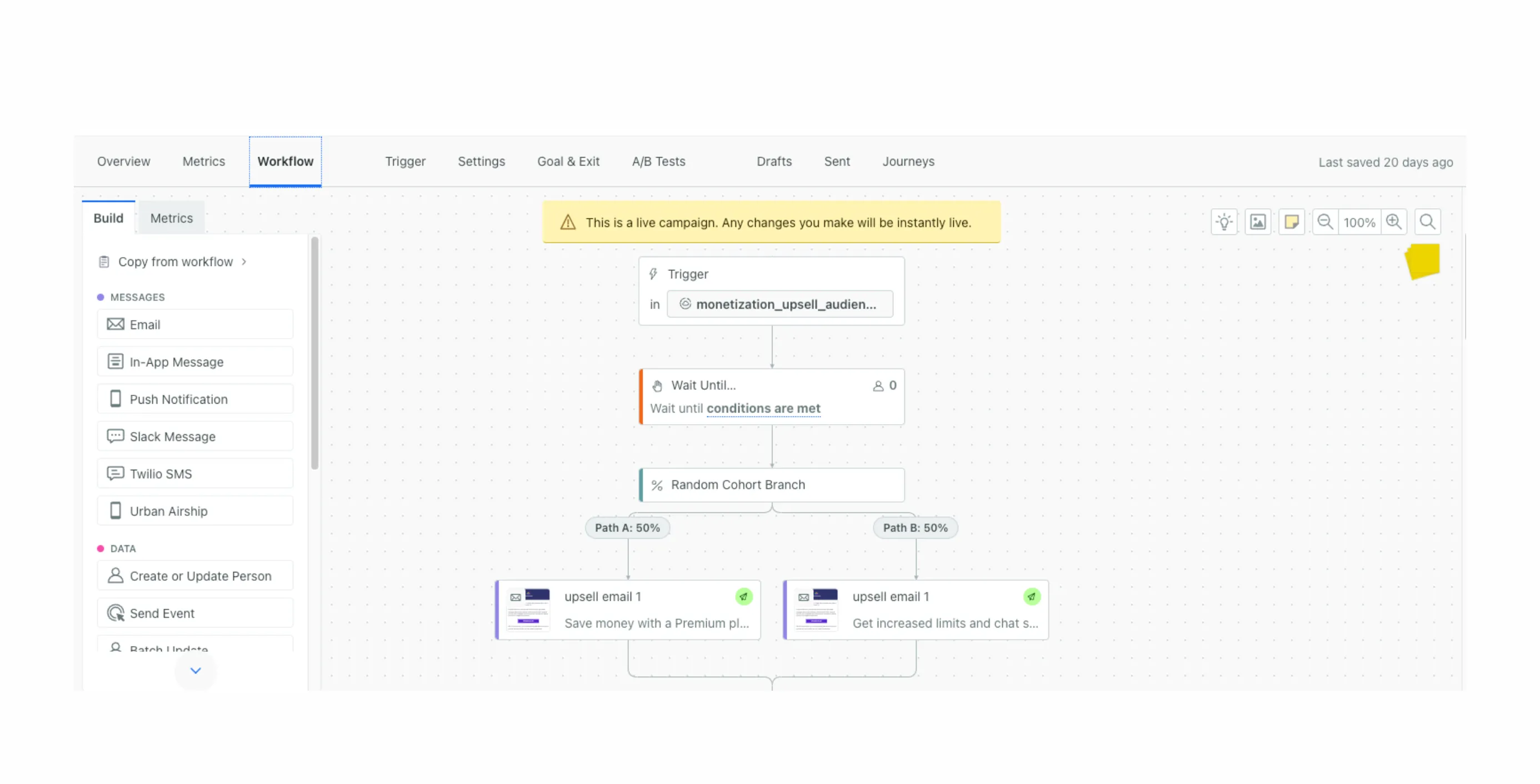
यहाँ pricing model ज़रूर check करें, क्योंकि ये Pinpoint users की जानी-पहचानी MAU model से अलग काम करता है। Customer.io आपके भेजे messages पर नहीं, stored profiles की संख्या पर price करता है — 5,000 profiles के लिए लगभग $100/महीना से शुरू होकर वहाँ से बढ़ता है। अगर आप tight list को बहुत भेजते हैं तो ये efficient है, और अगर आपके पास बड़ा, low-engagement या free-tier user base है तो एक “success tax” बन जाता है। Iterable भी similar enterprise territory में है, sales-quoted pricing के साथ। दोनों mobile-native से ज़्यादा email-native हैं, तो अपने program का center of gravity देखकर weigh करें।
किसके लिए सही: marketing और lifecycle teams जिनका primary channel email है, mobile secondary layer के तौर पर।
MoEngage
एक mobile-first engagement player, और वो नाम जो “mobile customer engagement platform” के लिए reference point बनकर बार-बार सामने आता है — इस list में सबसे गहरी mobile-app और APAC penetration के साथ, भारत में खासतौर पर strong presence। अगर आपका user base mobile-heavy है और APAC/भारतीय markets की तरफ झुका है, तो ये Pushwoosh और OneSignal के साथ shortlist में जाता है, एक mobile-oriented option की तरह, email-led नहीं।
किसके लिए सही: mobile-heavy consumer apps, खासकर भारत/APAC में strong footprint वाले।
Side-by-side comparison
नीचे दी गई prices entry-level indicators हैं, quotes नहीं। Enterprise vendors कोई fixed pricing publish नहीं करते, तो उन cells को “sales conversation required” पढ़ें।
| Vendor | Push | In-App | Email/SMS | Entry price | Migration effort | किसके लिए सही |
|---|---|---|---|---|---|---|
| AWS Connect + EUM | सिर्फ journeys में Lambda से | Support नहीं | Email (SES) + SMS (EUM) | AWS usage-based | High, custom script/ETL | Existing AWS contact-center teams |
| Pushwoosh | Native | Native | दोनों (omni tier) | $7 / 1,000 MAU | Low, API/UI import | Push + in-app product teams |
| Braze | Native | Native | दोनों | ~$60K/yr (est., no public price) | Medium, SDK + data model | Enterprise omnichannel |
| OneSignal | Native | Native | दोनों | Free tier, paid scales up | Low–medium | Push-centric teams |
| Customer.io | Native | Native | Email-led + SMS | $100/mo (5,000 profiles) | Medium | Email/lifecycle teams |
| Iterable | Native | Native | Email-led + SMS | Sales quote | Medium | Enterprise email/lifecycle |
| MoEngage | Native | Native | दोनों | Sales quote | Medium | Mobile-heavy / APAC apps |
In-app column वो है जिसे दो बार पढ़ना चाहिए। यही वो अकेली जगह है जहाँ AWS path पर hard “no” है, और बाकी vendors mature से लेकर serviceable तक range करते हैं। अगर आपके app में in-app onboarding, prompts, या paywalls चलते हैं, तो शायद यही column price से ज़्यादा decide करता है।
Shortlist narrow करना
जब आप 2 या 3 तक पहुँच जाएं, ये 4 questions ज़्यादातर demo gloss को काट देते हैं:
- “अपने editor में बना एक live in-app message दिखाइए, slide नहीं।” अगर ये real, native channel है, तो 5 मिनट में demo हो जाएगा। अगर ये roadmap item या partner integration है, तो hedging सुनने को मिलेगी।
- “मैं अपने Pinpoint endpoints कैसे import करूं: API, UI, या मुझे खुद transform लिखना होगा?” ये आपका migration-effort number 1 answer में है।
- “आपकी pricing असल में किस पर scale करती है: active users, stored profiles, seats, या messages?” फिर उसे अपने real user base से map करें, खासकर किसी बड़े inactive segment से।
- “क्या मैं commit करने से पहले real data पर pilot चला सकता हूं?” असली imported data लेने वाला free tier या trial किसी भी feature list से ज़्यादा worth है।
कहाँ से शुरू करें
अगर आपका Pinpoint program मुख्यतः push और in-app था — जो ज़्यादातर उन mobile teams के लिए सच है जिन्होंने पहले Pinpoint चुना — तो जो shortlist उस shape में बिना enterprise pricing के फिट बैठती है वो छोटी है, और Pushwoosh ठीक उसी के लिए बना है। Android 95%+ market share वाले भारतीय ऐप्स के लिए, Android delivery पहले से solid होना कोई optional check नहीं है। आप 1,000 free MAU के tier पर शुरू कर सकते हैं, एक real segment import करके, 1 journey rebuild करके खुद parity देख सकते हैं, इससे पहले कि कुछ भी live move करें।
और आप जिस भी तरफ झुकें, evaluation को calendar न खाने दें। 30 अक्टूबर 2026 एक hard date है। Migration guide उन steps और उन हिस्सों से गुज़ारती है जो असली wall-clock time लेते हैं, ताकि आप deadline को discover करने के बजाय उसके हिसाब से scope कर सकें।