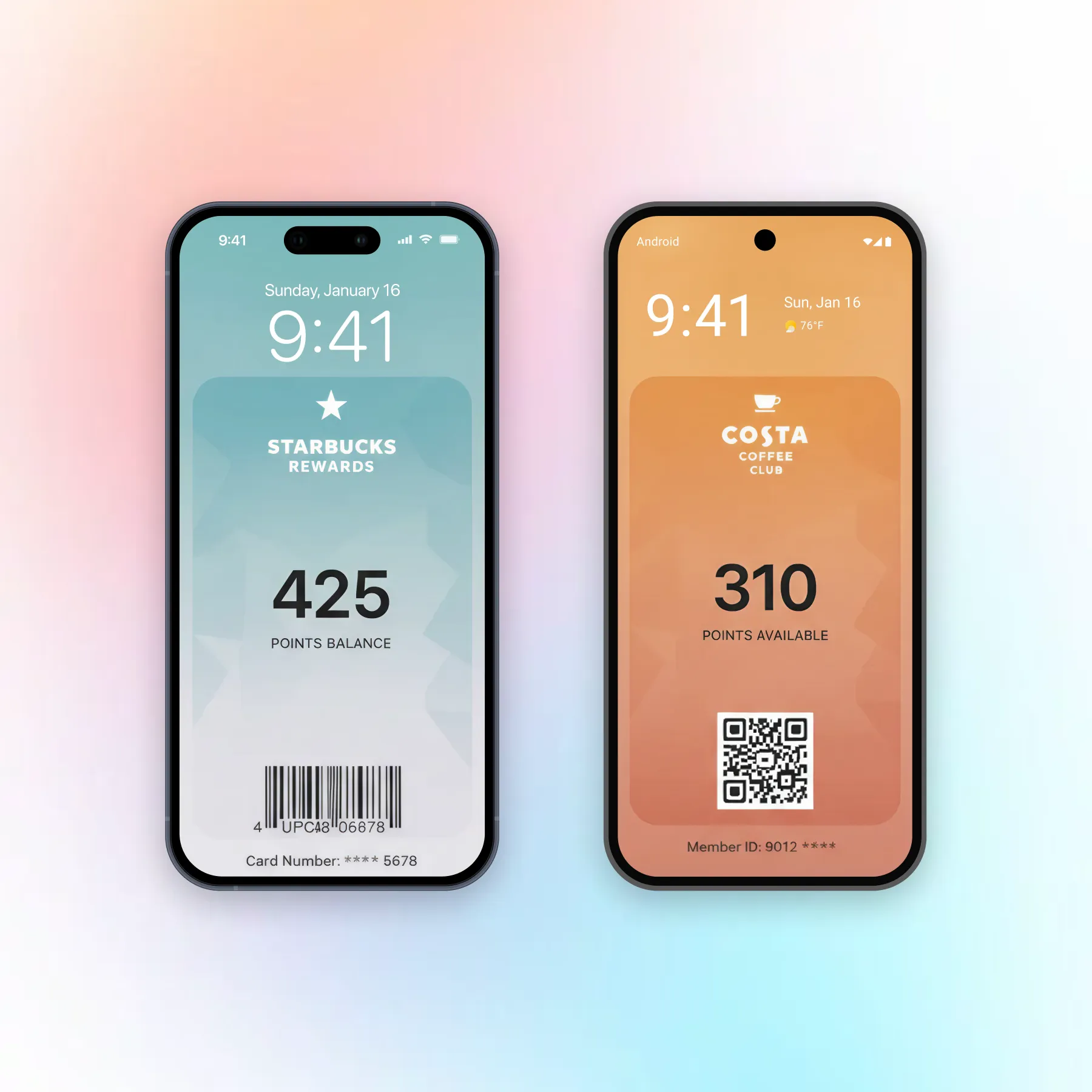
Wallet pass pricing का कोई एक price नहीं है। आप क्या pay करते हैं, यह vendor के model पर निर्भर करता है (per pass, per active pass, flat fee, या कस्टमर एंगेजमेंट प्लेटफॉर्म में bundled), और साथ में कुछ fixed costs, जैसे Apple की $99 developer fee। Pass खुद सस्ता है। Budget उसके आसपास के tools में बढ़ता है।
अगर आप पहले से push, email या SMS के लिए Pushwoosh इस्तेमाल करते हैं, तो wallet passes उसी platform में हैं, और आप options की तुलना साथ-साथ कर सकते हैं।
4 pricing models
Vendors wallet passes की pricing 4 मुख्य तरीकों से करते हैं, और हर तरीका अलग तरह के program को फ़ायदा देता है।
| Model | आप कैसे pay करते हैं | किसके लिए अच्छा | किस बात का ध्यान रखें |
|---|---|---|---|
| Per pass issued | हर बनाए गए pass की fee | Coupons, tickets, one-time passes | हर campaign के साथ cost बढ़ती है |
| Per active pass | Phone पर save हर pass की fee, monthly गिनी जाती है | Loyalty और membership cards | लंबे चलने वाले passes की cost चलती रहती है |
| Flat या tiered plan | Passes की एक range के लिए monthly fee | Predictable mid-size programs | Tier boundaries पर jumps |
| CEP में bundled | आपके engagement platform plan का हिस्सा | जो teams push, email, SMS से भी message करती हैं | Check करें कि bundle में क्या शामिल है |
Vendors इन models को 1 plan में combine कर सकते हैं, जैसे monthly platform fee के साथ volume fees। Pricing pages बदलते रहते हैं, इसलिए हर vendor का current page check करें और check करने की date note करें।
Pattern पर ध्यान दें: वही 10,000 passes की cost बहुत अलग हो सकती है, इस पर निर्भर करते हुए कि vendor आपके issue किए passes गिनता है या phones पर बचे हुए। Diwali या Big Billion Days जैसे sale season में बड़ी मात्रा में coupon passes issue करने वाले e-commerce brands के लिए यह फ़र्क सबसे ज़्यादा दिखता है।
हर program के fixed costs
कुछ costs Apple और Google से आते हैं, आपके tool से नहीं। आप जो भी tool चुनें, ये देने पड़ते हैं।
- Apple Developer account: $99 सालाना। Apple passes sign करने वाले Pass Type ID certificate के लिए यह चाहिए। Certificate expire होता है, इसलिए renewal एक बार का काम नहीं, बार-बार का काम है।
- Google issuer setup। Google Pay & Wallet Console में issuer account, हर application के लिए एक बार set होता है। भारत में Android का share 95%+ है, इसलिए ज़्यादातर Indian programs के लिए यह setup ज़रूरी है, optional नहीं।
- Design। हर platform को जिन sizes में चाहिए, उनमें layouts, logos और hero images। आमतौर पर हर pass type के लिए एक बार का काम।
- POS या scanner integration। अगर staff billing counter या gate पर passes scan करता है, तो किसी को barcode आपके POS या ticketing system से जोड़ना होगा। यही वह cost है जो quote में सबसे आसानी से छूट जाती है।
दूसरे tool की hidden cost
सबसे बड़ी cost शायद ही कभी wallet vendor के invoice पर दिखती है। यह तब आती है जब wallet एक अलग tool में चलता है, उस platform के बगल में जो आपके customers को पहले से जानता है।
आपके पास 2 databases हो जाते हैं। आपका engagement platform profiles, events और segments रखता है। Pass tool pass holders रखता है। इन्हें sync रखने के लिए webhooks, integration tool या developer time चाहिए, और यह काम कभी पूरा नहीं होता।
आप हर journey 2 बार बनाते हैं। Expire होने वाले points का reminder 1 tool से जाता है, pass update दूसरे से, और किसी को दोनों को aligned रखना पड़ता है।
आप 2 contracts भी sign करते हैं और 2 vendor reviews से गुज़रते हैं। Security, GDPR और procurement checks हर vendor के लिए अलग होते हैं।
कुछ engagement platforms partner के ज़रिए wallet जोड़ते हैं। उदाहरण के लिए, Braze partner integrations से PassKit जैसे wallet tools जोड़ता है, इसलिए आप दोनों के लिए pay करते हैं और उनके बीच का link भी maintain करते हैं।
1k, 10k और 100k holders पर cost का model कैसे बनाएं
Vendor prices बदलती रहती हैं, इसलिए अपना model formulas पर बनाएं और जिन pricing pages की आप तुलना कर रहे हैं, उनसे current rates डालें।
Monthly cost = platform fee + (active long-life passes × rate) + (issue हुए one-time passes × rate) + second-tool overhead
फिर इसे 3 sizes पर चलाएं और देखें कि कौन सा model कहां टूटता है।
| Program size | आमतौर पर cost में क्या हावी रहता है |
|---|---|
| 1,000 holders | Platform fees और setup। Per-pass fees छोटी हैं। |
| 10,000 holders | Per-pass या per-active-pass fees मायने रखने लगती हैं। Tiers की तुलना करें। |
| 100,000 holders | Volume fees और second-tool overhead। |
Long-life और one-time passes को अलग lines में रखें। 10,000 stamp cards वाली coffee shop और 10,000 tickets issue करने वाले festival के bills per-active-pass model में बहुत अलग आते हैं, भले pass count एक जैसा हो। EdTech app में पूरे साल चलने वाला student pass long-life है, और एक workshop का entry pass one-time।
Overhead line के बारे में ईमानदार रहें। हर महीने data sync करने और दूसरे tool में journeys फिर से बनाने में लगे घंटे गिनें, और उस time की cost से गुणा करें। हमारी राय में यही line सबसे ज़्यादा बार फ़ैसला पलटती है।
हर vendor से क्या पूछें
- Price per pass issued है, per active pass, या flat? “Active” की आपकी exact definition क्या है?
- जब passes expire होते हैं या customers उन्हें delete करते हैं, तो cost का क्या होता है?
- Updates और notifications शामिल हैं, या अलग से bill होते हैं?
- API access शामिल है, और क्या उसकी limits हैं?
- क्या आप Apple और Google passes natively issue करते हैं, या partner के ज़रिए?
- Customer data कहां hosted है, और आपके पास कौन से certifications हैं?
अगर vendor पहले सवाल का जवाब 1 sentence में नहीं दे सकता, तो bill का model 2 बार बनाएं।
Pushwoosh के साथ wallet को 1 platform में रखें
Pushwoosh native Apple और Google Wallet passes उसी platform में issue करता है जिसमें आपके push, in-app, email, SMS और WhatsApp हैं। Sync करने के लिए कोई दूसरा database नहीं, बीच में कोई partner नहीं। Passes हर दूसरे channel के साथ User IDs, segments और journeys share करते हैं। Data EU और US data centers में रहता है, और platform ISO 27001:2022 और SOC 2 Type 2 certified है। देखें कि यह Wallet passes page पर कैसे compare होता है।
Wallet की कम cost शायद ही कभी सबसे कम per-pass rate से आती है। यह एक ही customer के लिए 2 बार pay न करने से आती है।