Seasonal health campaigns for healthcare providers
Improve preventive care uptake with automated seasonal campaigns. Send flu shot reminders, allergy alerts, wellness screenings, and health tips at the right time every year. Drive patient action when it matters most.
What seasonal health campaigns deliver
Increase preventive care uptake
Timely reminders increase flu shot, screening, and checkup participation. Patients act when they receive relevant, seasonal prompts. Flu shot reminder campaigns increase vaccination rates by 35-40%.
Reduce administrative burden
Automated campaigns eliminate manual reminder calls and mailings. Set seasonal campaigns once, they run automatically every year. Save 200+ staff hours per flu season vs manual reminder calls.
Improve patient engagement
Regular seasonal touchpoints keep patients connected year-round. Health tips, wellness reminders, and preventive care guidance lift engagement scores by 28% for participating patients.
Meet quality metrics
Improve HEDIS scores, quality incentive metrics, and preventive care benchmarks. Practices using seasonal campaigns see 22% improvement in preventive care quality metrics.
Automate every seasonal health priority
Seven campaign types that turn the healthcare calendar into automated patient outreach. Set up once, run automatically every year.
Drive vaccination rates from September to March
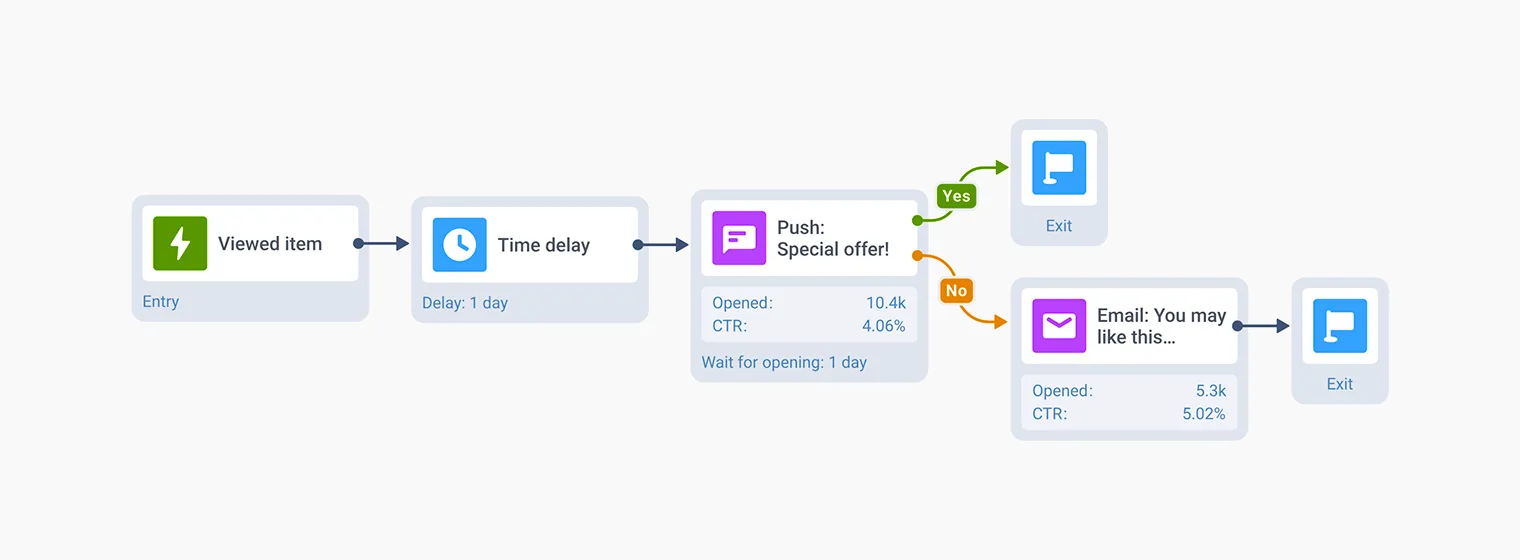
Multi-stage outreach across the entire flu season, with priority pacing for high-risk patients. Early-season announcement, peak-season urgency, mid-season last-chance, post-season thank-you.
- High-risk patients (65+, chronic conditions) receive early outreach and multiple reminders.
- Parents of 6mo-17y children get school-focused messaging tied to immunization deadlines.
- Example message: “Flu season is here. Schedule your flu shot now and protect yourself and your family.”
- High-risk alert: “High-risk patient reminder: Flu activity increasing in your area. Get vaccinated this week.”
- Typical results: 35-40% increase in vaccination rates, 65% reminder open rate.
Time outreach to local pollen and weather patterns
Spring and fall allergy peaks get their own automated playbook, with triggers tied to local pollen data, weather conditions, and patient medication refill patterns.
- Pre-season: “Spring allergies starting soon. Schedule your allergy consultation now.”
- Pollen alert: “High pollen count today in your area. Take your allergy medication.”
- Immunotherapy reminder: “Allergy shot reminder: Your immunotherapy appointment is this week.”
- Triggers: Local pollen count integration, weather-based alerts (high wind, dry conditions), refill patterns.
- Typical results: 45% engagement on pollen alerts, 18% appointment booking rate.
Schedule physicals and immunizations before fall rush
July through September outreach for school-age families. Beat the fall booking rush, ensure compliance with school immunization requirements, and cover sports physical deadlines for student athletes.
- Early summer: “Back to school soon. Schedule required physical exams now before fall rush.”
- Immunization push: “School immunization requirements: Make sure your child is up to date.”
- Sports physicals: “Student athlete? Sports physicals required by deadline. Book now.”
- Last-call urgency: “School starts in 2 weeks. Last chance for physicals and immunizations.”
- Typical results: 52% appointment booking rate, 78% of families schedule before deadline.
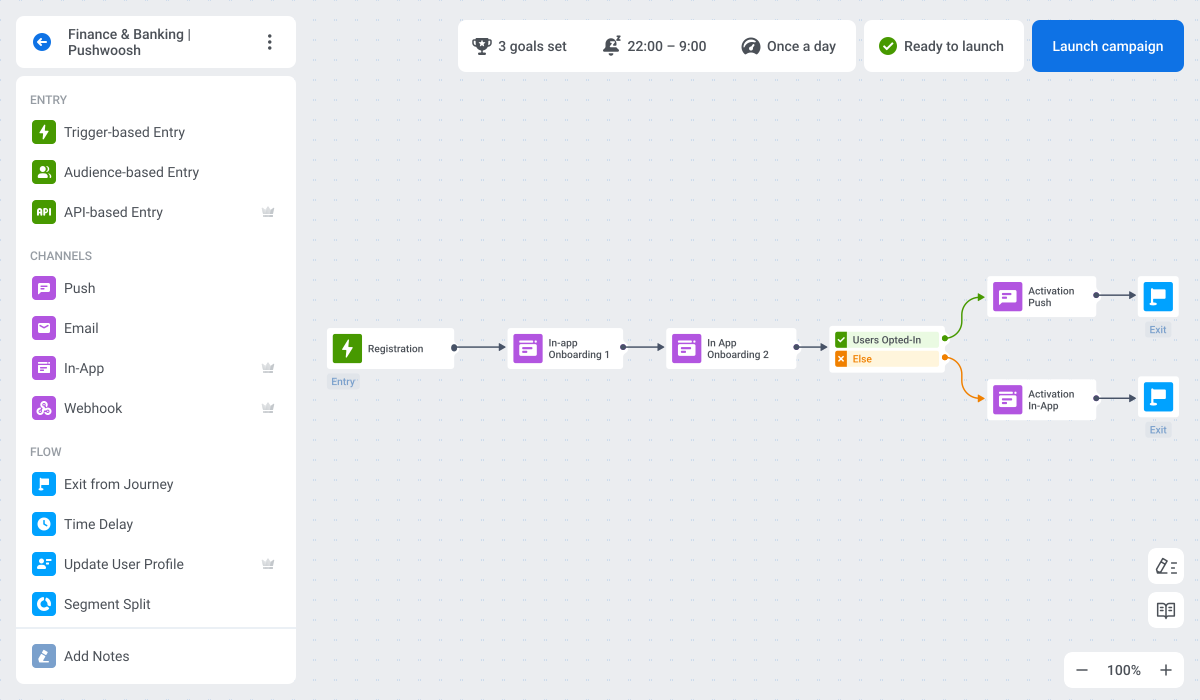
Align outreach with national awareness months
Mammography in October, colonoscopy in March, blood pressure in May, diabetes in November, skin cancer in May. Awareness months amplify response rates. Target by age, risk factors, and overdue status.
- Mammography: “October is Breast Cancer Awareness Month. Schedule your mammogram if due.”
- Colorectal: “Age 45+? Colorectal cancer screening can save your life. Schedule today.”
- Cardiac: “Blood pressure check recommended. Free screening this week at our clinic.”
- Diabetes: “Diabetes screening recommended based on your risk factors. Book appointment.”
- Typical results: 28% screening completion rate from reminders, 68% awareness month engagement.
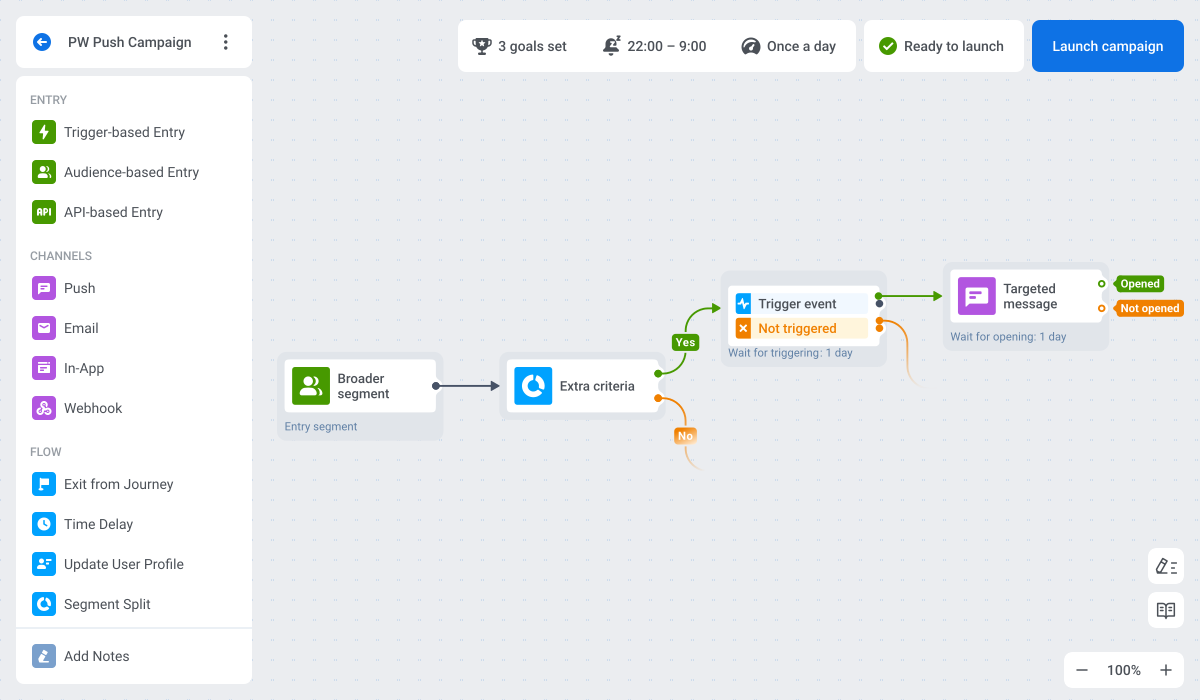
Adapt messaging to seasonal trigger conditions
Winter cold triggers asthma and COPD. Summer heat raises diabetes risk. Allergy seasons flare asthma. Build year-round chronic care campaigns with seasonal pivots for each condition.
- Winter asthma: “Cold weather can trigger asthma. Keep your rescue inhaler handy.”
- Summer diabetes: “Hot weather plus diabetes equals dehydration risk. Tips to stay safe.”
- Medication adherence: “Medication refill due. Refill now to avoid running out.”
- A1C cadence: “Diabetes checkup due. Schedule your A1C test this month.”
- Typical results: 35% improvement in medication adherence, 25% reduction in ER visits.
Anchor wellness outreach to awareness peaks
May Mental Health Month, September Suicide Prevention Month, November holiday stress, winter seasonal affective disorder. Always-on wellness content with awareness-month amplification and crisis resources.
- Awareness month: “May is Mental Health Month. Check in with yourself. We’re here if you need support.”
- Holiday stress: “Holiday stress getting to you? Try these coping strategies.”
- Seasonal depression: “Seasonal depression affects many. Talk to your provider about treatment options.”
- Crisis support: “You’re not alone. Mental health support available. Call us anytime.”
- Typical results: 42% engagement with wellness content, 15% appointment requests.
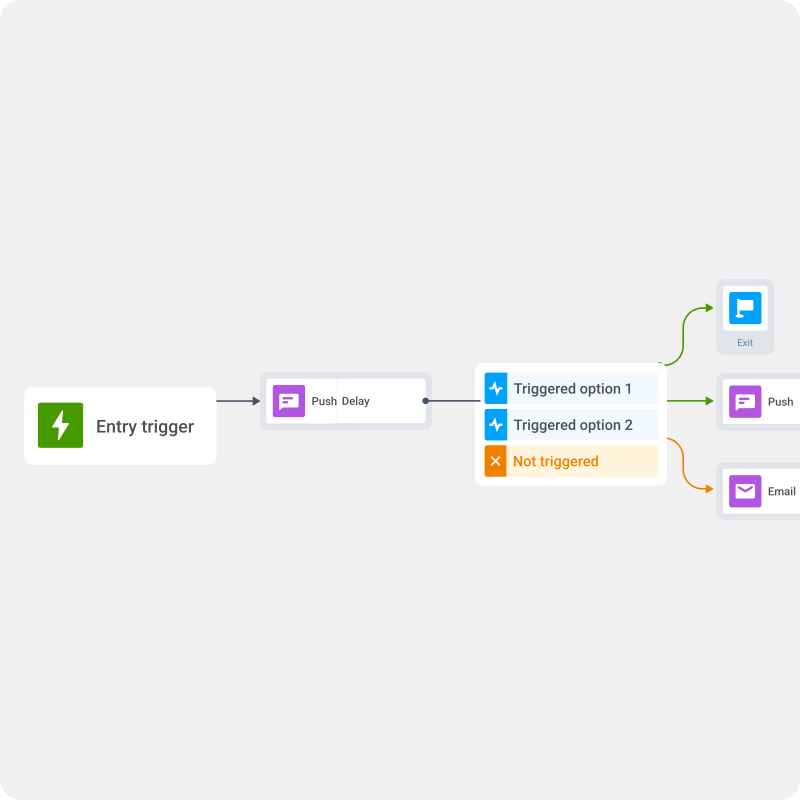
Map every seasonal priority into automated patient journeys that branch on patient eligibility, channel preferences, and engagement signals.
Seasonal campaigns that move clinical outcomes

Set up once, run automatically every year
Five steps from seasonal planning to year-over-year optimization. Annual recurrence means no rebuilding campaigns each season.
-
Define your seasonal calendar
Map seasonal priorities (flu, allergies, screenings, awareness months). Set date ranges for each campaign. Identify target patient populations. Example: 'Flu campaign Sept 1 to March 31, target all patients 6mo+.'
-
Build campaign templates
Create message templates for each season with multiple variants (early, peak, urgent, post-season). Personalize with patient data: name, condition, last appointment, risk factors. Templates work across push notifications, email, SMS, and in-app.
-
Configure annual triggers
Set automatic annual recurrence (Sept 1 every year), patient eligibility criteria (age, condition, last visit), and multi-message sequences (3-4 messages over 12 weeks). The campaign repeats automatically year after year.
-
Set patient segmentation
Layer in risk priority (65+ and chronic conditions first), age-based targeting (pediatric, adult, senior), condition-based targeting (diabetic, asthmatic, cardiac), and engagement history (high-engagement vs re-engagement segments).
-
Activate, measure, optimize
Campaign goes live automatically and tracks engagement and appointments in real time. Use first-year results to refine timing and segmentation. Example: Year 1 35% uptake, Year 2 with earlier start and better segmentation reaches 42% uptake.
Target the right patients at the right time
Six segmentation strategies for seasonal campaigns. Combine them to deliver the right message to each patient, by risk, age, condition, engagement, geography, and insurance.
Risk-stratified outreach
How it works: High-risk patients receive earlier, more frequent outreach. Moderate-risk patients get standard timing. Low-risk patients get general awareness only.
- High-risk (65+, chronic conditions): 4 flu reminders starting September.
- Moderate-risk (adults with risk factors): 3 reminders starting October.
- General population: 2 reminders starting October.
- Example: “As someone managing diabetes, flu vaccination is especially important for you this year.”
Lifecycle-aware messaging
How it works: Match content and channel to life stage. Pediatric outreach goes to parents. Adults get convenience messaging. Seniors get Medicare benefit emphasis.
- Pediatric (0-17): School-focused timing, parent communication, immunization compliance.
- Adult (18-64): Work-friendly scheduling, convenience messaging, plan year timing.
- Senior (65+): Medicare AWV emphasis, high-risk framing, voice channel option.
- Example: “Back-to-school physicals required. Schedule before the August rush.”
Disease-specific cadence
How it works: Trigger campaigns from clinical data. Diabetic patients get A1C reminders and seasonal heat alerts. Asthma patients get peak-season triggers. Cardiac patients get annual lipid panels.
- Diabetic patients: Quarterly A1C, foot exam reminders, summer heat safety.
- Asthma patients: Pollen alerts, cold-air warnings, rescue inhaler reminders.
- Cardiac patients: Annual lipid panels, blood pressure check-ins.
- Example: “Time for your A1C test. Schedule this month to stay on track with your diabetes management.”
Adaptive intensity
How it works: Highly engaged patients receive wellness tips and education. Moderately engaged get appointment reminders. Low-engagement patients receive only urgent care needs. Re-engagement flows for inactive patients.
- Highly engaged: Weekly wellness tips, awareness month content, preventive education.
- Moderately engaged: Standard reminder cadence, monthly check-ins.
- Low engagement: Critical reminders only, no wellness tips.
- Example: “We haven’t seen you in a year. Schedule your annual checkup and we’ll catch up on what matters.”
Location-aware triggers
How it works: Trigger campaigns from local disease outbreaks, regional allergy patterns, and weather conditions. Target patients in affected zip codes only.
- Local flu surge: “High flu activity in your county. Get vaccinated this week.”
- Pollen spike: “Tree pollen high in your area today. Plan ahead.”
- Heat advisory: “Heat warning for your area. If you have diabetes or heart conditions, take precautions.”
- Example: Patients in counties with active outbreaks receive priority alerts, others receive standard cadence.
Coverage-specific messaging
How it works: Medicare patients receive AWV-focused outreach. Commercial insurance uses plan year timing. Medicaid emphasizes access support. Uninsured patients get cash pricing and community resources.
- Medicare: “Your annual wellness visit is free under Medicare. Schedule today.”
- Commercial: “Your plan year resets in 60 days. Use your preventive benefits before they expire.”
- Medicaid: “Covered preventive screenings: schedule yours at no cost.”
- Uninsured: “Free flu shots available at our community clinic this Saturday.”
Reach patients on every channel
Multi-channel orchestration tuned to each channel’s strengths. Honor patient communication preferences and escalate from least intrusive to most direct.
SMS
Highest open rate at 98%. Best for time-sensitive reminders and high-priority alerts. Example: 'Flu shot reminder. Reply YES to schedule.'
Push notifications
Instant delivery to app users with rich content and action buttons. Best for app-engaged patients and visual health alerts. See push notification examples for healthcare.
Detailed information, educational content, and links to scheduling. Best for complex topics, awareness month roundups, and pre-visit education.
Patient portal
In-portal notifications and secure messaging. Best for engaged portal users with overdue care tasks. Integrates with EHR workflows.
Voice and phone
Automated voice calls for elderly patients and personal staff calls for highest-risk no-responders. Best for critical reminders and accessibility.
Multi-channel orchestration
Start with email or portal, escalate to SMS if no response, phone for high-priority no-responders. One trigger, full coverage, respect for preferences.
HIPAA-compliant seasonal campaigns
Healthcare-grade privacy and consent management built in. Encryption, audit logs, opt-in controls, and regulatory compliance for every campaign.
HIPAA-compliant delivery
Secure message delivery, encrypted data storage, and audit logs for all communications. Treatment reminders fall under HIPAA treatment exemption, marketing requires explicit consent. 256-bit encryption for all patient health information in transit.
Consent and preference management
Explicit opt-in for marketing messages, easy opt-out, and a patient preference center. Patients choose channels (SMS, email, push) and content types (treatment, wellness, awareness). Preferences honored across every campaign.
PHI-safe message design
No protected health information in lock-screen previews. Generic subject lines protect patient privacy. Example SMS preview: 'Health reminder from your clinic' not 'Flu shot for diabetes patient.'
Regulatory compliance
SOC 2 Type II compliant. TCPA compliance for text messaging, CAN-SPAM for email, and state-specific health privacy laws. Automatic DNC list checking before SMS sends. Role-based access control with full audit trail.
Maximize seasonal campaign impact
Eight best practices distilled from healthcare provider campaigns. The differences between a 25% uptake and a 42% uptake are timing, segmentation, and follow-up.
Start early
Begin campaigns before peak season so patients have time to schedule. Start flu reminders September 1, not October 15. Beat the rush, smooth out clinic capacity.
Segment thoughtfully
High-risk patients get priority and tailored messaging. Don't over-message low-risk patients. Diabetic patients hear: 'Flu complications are serious for diabetics. Get vaccinated now.'
Multiple touchpoints
One reminder is not enough. Plan 3-4 messages over the campaign window with varying urgency and content. Awareness, then convenience, then urgency.
Make scheduling easy
Every message includes a direct booking link. Show available appointments, offer multiple locations, support online booking. Reduce friction, lift conversion.
Personalize messaging
Use patient name, reference specific risks, acknowledge past compliance. Example: 'Sarah, as someone with asthma, flu vaccination is especially important for you.'
Educate, don't just remind
Pair reminders with educational content that addresses common concerns. Example: 'Did you know flu vaccine is safe during pregnancy and protects your baby?'
Respect preferences
Honor opt-outs immediately, allow channel preferences, avoid over-messaging. Patients can choose: all wellness tips, reminders only, or treatment communications only.
Measure and optimize
Track engagement, appointments, and clinical outcomes with Pushwoosh analytics. A/B test message timing year over year. Year 1 35% uptake, Year 2 with optimization reaches 42% uptake.
Start your seasonal health campaigns
See how healthcare providers use automated seasonal campaigns to increase preventive care uptake and improve patient outcomes. Request a demo customized for your practice.
Explore related products
Drive retention with churn prevention campaigns. Detect disengagement, send strategic offers, and save subscriptions with proactive interventions.
Win back campaigns for inactive users that work. Re-engage dormant customers with personalized messages, incentives, and experiences that bring them back.
Web push notifications by Pushwoosh — browser-delivered pushes that reach visitors after they leave your site. Any browser, desktop and mobile, plus iOS via PWA. Free to start.
Send order updates, reminders, and promos customers actually reply to, right alongside your push, email, and SMS in one journey backed by Pushwoosh.
Email marketing platform by Pushwoosh — marketing and transactional email in one place with push, in-app, SMS and WhatsApp. Built-in deliverability, pre-send checks, no list-size fees.
From sports updates to breaking news to weather alerts and travel updates, seconds can make a huge difference. Our powerful High-Speed Delivery technology allows sending up to 500,000 push notifications per second!