All businesses strive to acquire new clients, but customer activation is often neglected, even though it’s a jumping-off point to better user engagement and sales growth. Read this post to define what user activation is, exactly, why it is important for your business, and what strategies can increase your customer activation rates to earn more.
TL;DR
- User activation indicates the percentage of those customers who actually use your product and already performed a valuable action: run a trial period, sent the first message, etc.
- Customer activation takes second place in the funnel of AARRR pirate metrics (acquisition, activation, retention, referral, and revenue). But it should go first for you as an app marketer / product manager since user activation has the greatest impact on MRR and contributes to the company’s North Star.
- To measure user activation:
- define which actions different personas should perform to get activated;
- divide customers into segments;
- calculate the user activation rate by using a formula: the number of users who performed the necessary actions, divided by the total number of new users.
- To increase user activation rate, we at Pushwhoosh offer the use of in-app messages, emails, push notifications, and omnichannel messaging campaigns.
- To retain your newly-acquired users, make behavior-based onboarding flows. This way, when users perform certain actions, they will receive relevant messages guiding them towards the steps they should take next.
- Show your app’s value to encourage visitors to make a purchase or subscribe.
- You may also offer users a welcome gift or exclusive content to persuade them to complete an activation action.
- If you find any weak points, try to optimize your current user activation flow by analyzing CTRs, go omnichannel, and follow up on your users with special bonuses, promo codes, or discounts.
What is user activation?
User activation is a metric that indicates the percentage of those customers who actually use your product and have already performed a valuable action.
What counts as an activation action?
Activation actions may vary depending on the specifics of your business: it can be running a trial period, integrating your SDK into an app, or making the first note on the to-do list.
If you get access to the analytics of different apps, you will find they all have their distinct activation metrics. Spotify may focus on the subscription rate, Facebook pays attention to the sign-up rate, and Amazon may track their purchase rate.
Why is customer activation important?
If your new users do not get activated, they will not find reasons to use your app and will abandon it. And if the audience you’ve acquired doesn’t convert into paying customers, you may see your marketing budget as wasted.
Bottom line: to optimize the spending of your marketing budget and get more profit, a low churn rate and successful customer activation numbers are crucial.
Place of user activation among AARRR Pirate Metrics
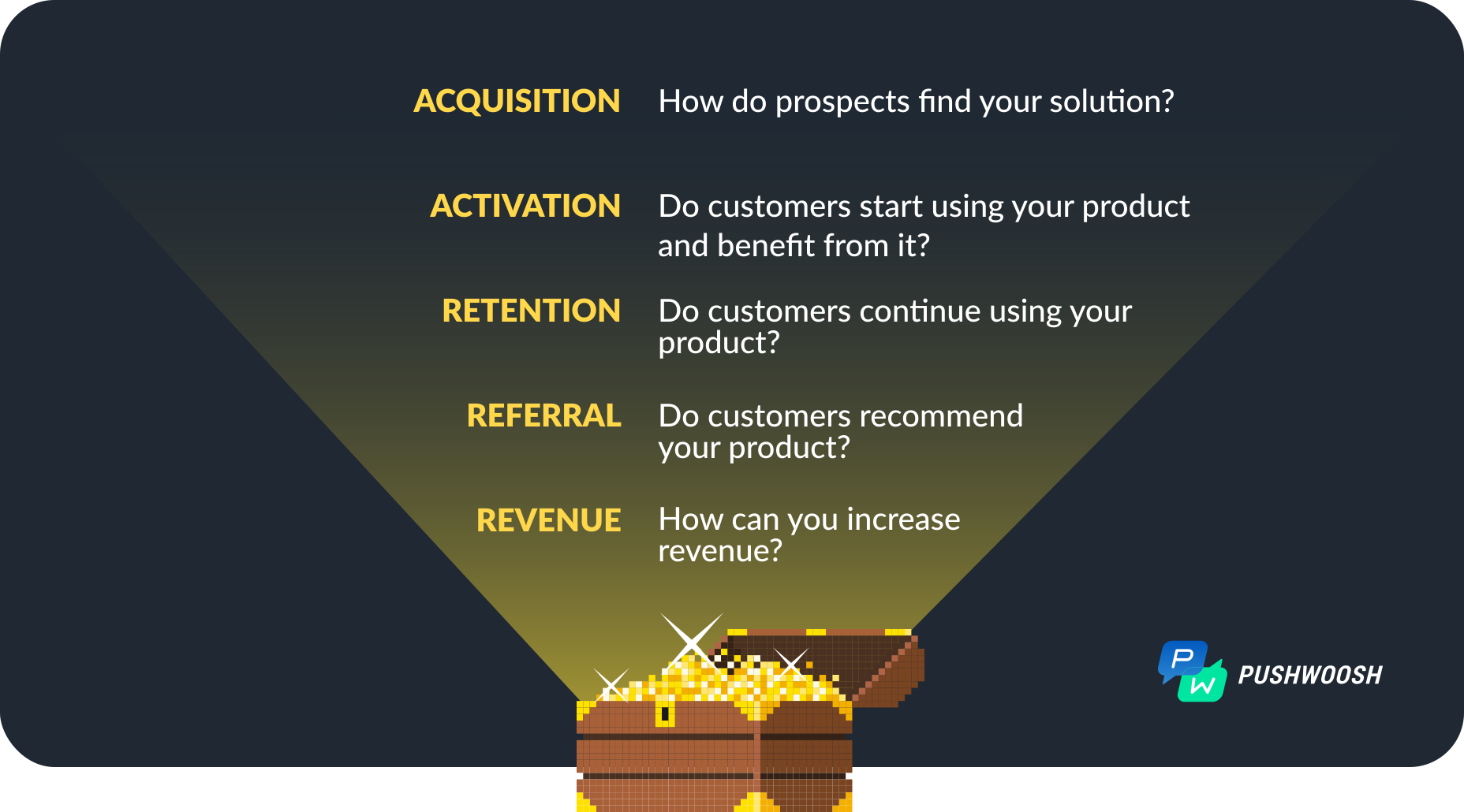
Virtually any product has to keep an eye on such metrics encompassing acquisition, activation, retention, referral, and revenue. These metrics help businesses determine where they should focus their efforts in their strategy to improve marketing and sales numbers. User activation takes a second place in the funnel of AARRR pirate metrics:
Impact of user activation on MRR
While all the Pirate Metrics are important, customer activation has the greatest impact on monthly recurring revenue (MRR). According to Ben Winter from Fairmarkit, a 25% increase in activation leads to a 34% MRR growth in 12 months.

Impact of user activation on the North Star metric
Activation rate also contributes to the company’s North Star – the one key metric that best reflects the value that clients receive from a company’s product. For example, Spotify can estimate the time spent listening to music, Facebook — the number of active users, and Amazon will count the number of purchases per month.
How can you measure customer activation?
Measuring user activation is a tricky task. It is definitely easier to measure the number of clicks or registrations than the customer activation rate as it is unique for each business. Before calculating the user activation rate, you need to go through the following steps.
Step 1. Think through the logic
To get more accurate results when calculating the activation rate in your app and better understand the behavior of your users, think through the logic and define:
- How do you estimate whether a user has been activated or not?
- What actions should a user take to be considered activated?
- What in-app events will show you that customers have performed the necessary actions?
- Will the activation events be varied for different personas?
Take into account that activation events may vary for different user segments. For example, language learning apps like Duolingo first ask their newcomers about their level of knowledge and then offer a learning curve. Beginners can start from scratch, but for advanced users, the app may suggest a vocabulary test first.
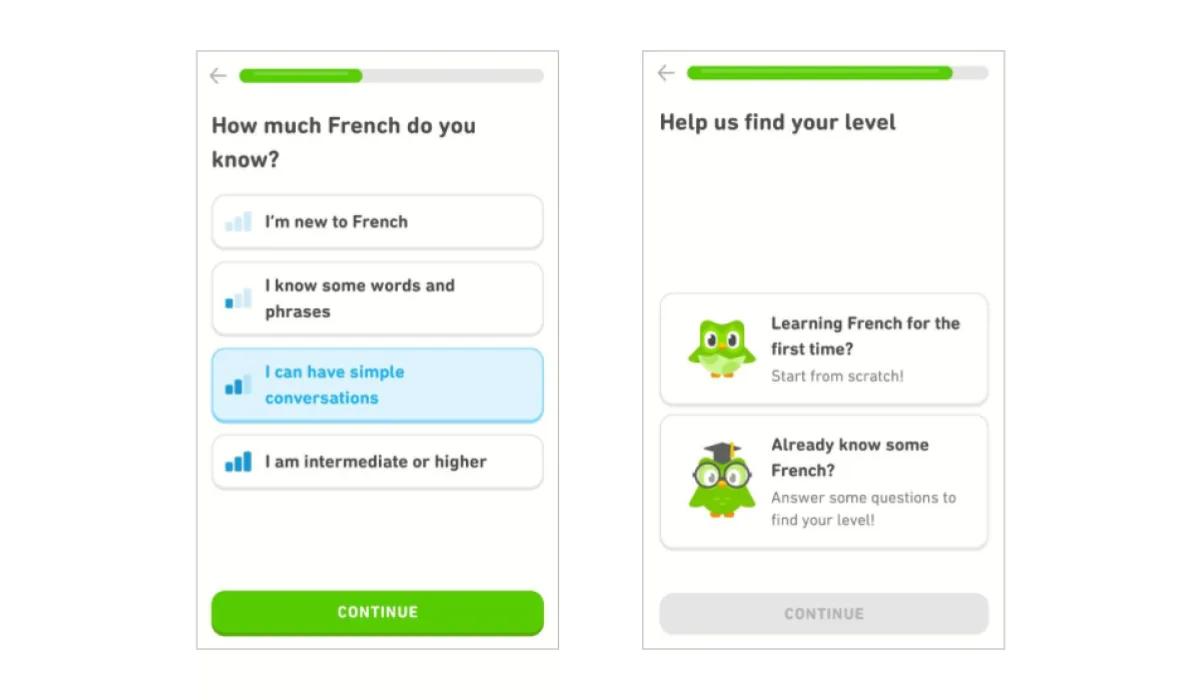
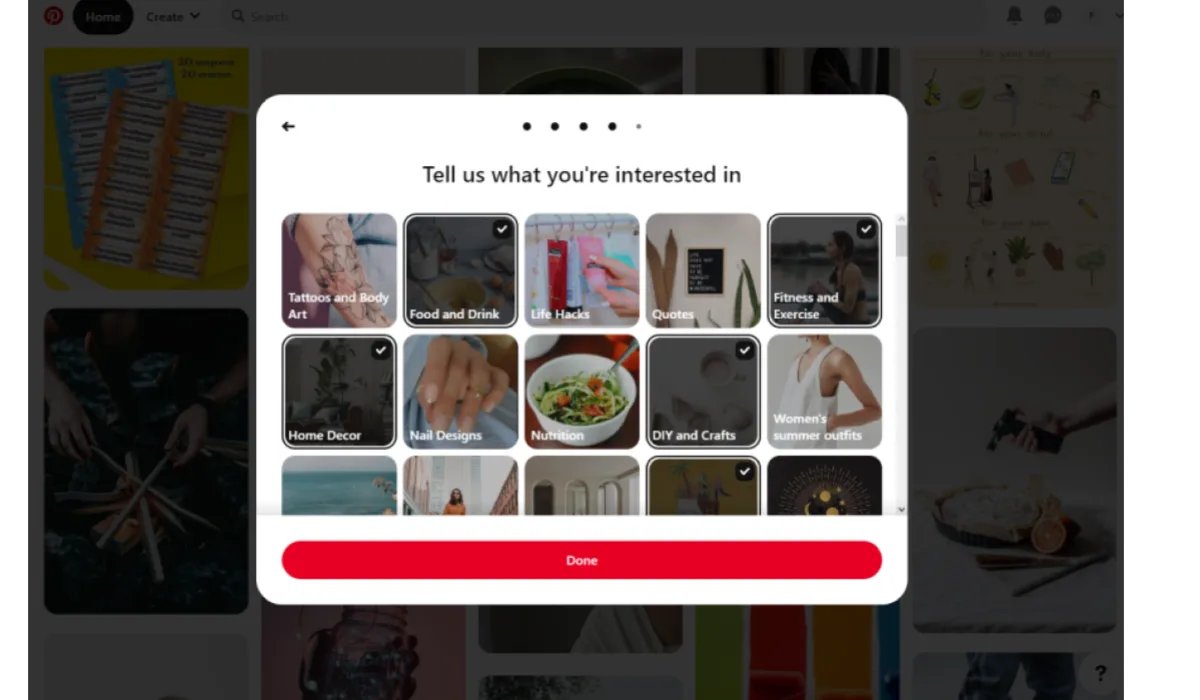
As for the number of activation events needed, in some cases, it is enough to perform only one action, such as learn a new word, as in Duolingo. For other products, several actions may be required like selecting five topics to generate your feed, as in Pinterest. Keep this in mind to better understand when the activation event was completed to make further calculations.
Step 2. Divide users into segments
As we mentioned, activation events may vary for different users. If this appears to be your case, you may want to divide all customers into segments first — for example, beginners or advanced users. Such an approach helps to calculate the user activation rate more accurately and then improve this metric.
Step 3. Measure the user activation rate
After building the logic and dividing users into segments within your customer activation strategy, you can calculate the total percentage of people who have triggered activation events. This step is much easier because you have a simple formula:

User activation rate is the number of users who were activated (= who performed the necessary actions), divided by the total number of new users.
It is quite tricky to choose a common customer activation benchmark and try to reach it. But you can take a control measurement of your metric and constantly work on improving it within your user activation strategy.
How to improve user activation
Pushwhoosh’s internal research has found that user activation is the most challenging stage for most companies: on average, 95% of new users churn as early as on Day 1. To minimize such losses in your app, you may want to pursue a higher customer activation rate; for this, the following channels will be useful**:**
- In-app messages for effective user onboarding.
- Emails to encourage customers to actually make an activation event.
- Push notifications to engage customers from Day 1 and take them towards activation action in a single tap.
- Even better, go omnichannel with Pushwoosh Customer Journey Builder and automate your messaging flows.
Better communications across the channels have allowed some of Pushwoosh customers to boost their D1 Retention up to 15%. Here is what you can do to repeat their success.
Create effective onboarding
User onboarding is aimed at guiding a new user smoothly from the first app open to the Aha! Moment. In mobile apps, this process is usually supported by in-app messages, emails, and push notifications that educate visitors and entice them to make activations events.

Thomas Petit on AppsFlyer’s The Rise of the Subscription Economy webinar
To avoid losing the acquired visitors, make your onboarding timely and relevant. Constant and unreasonable notifications are likely to be annoying. So instead of pushing the information that you need to deliver, make your onboarding behavior-based. This means you will wait until users perform certain actions and send them relevant messages that show what steps they should take next.
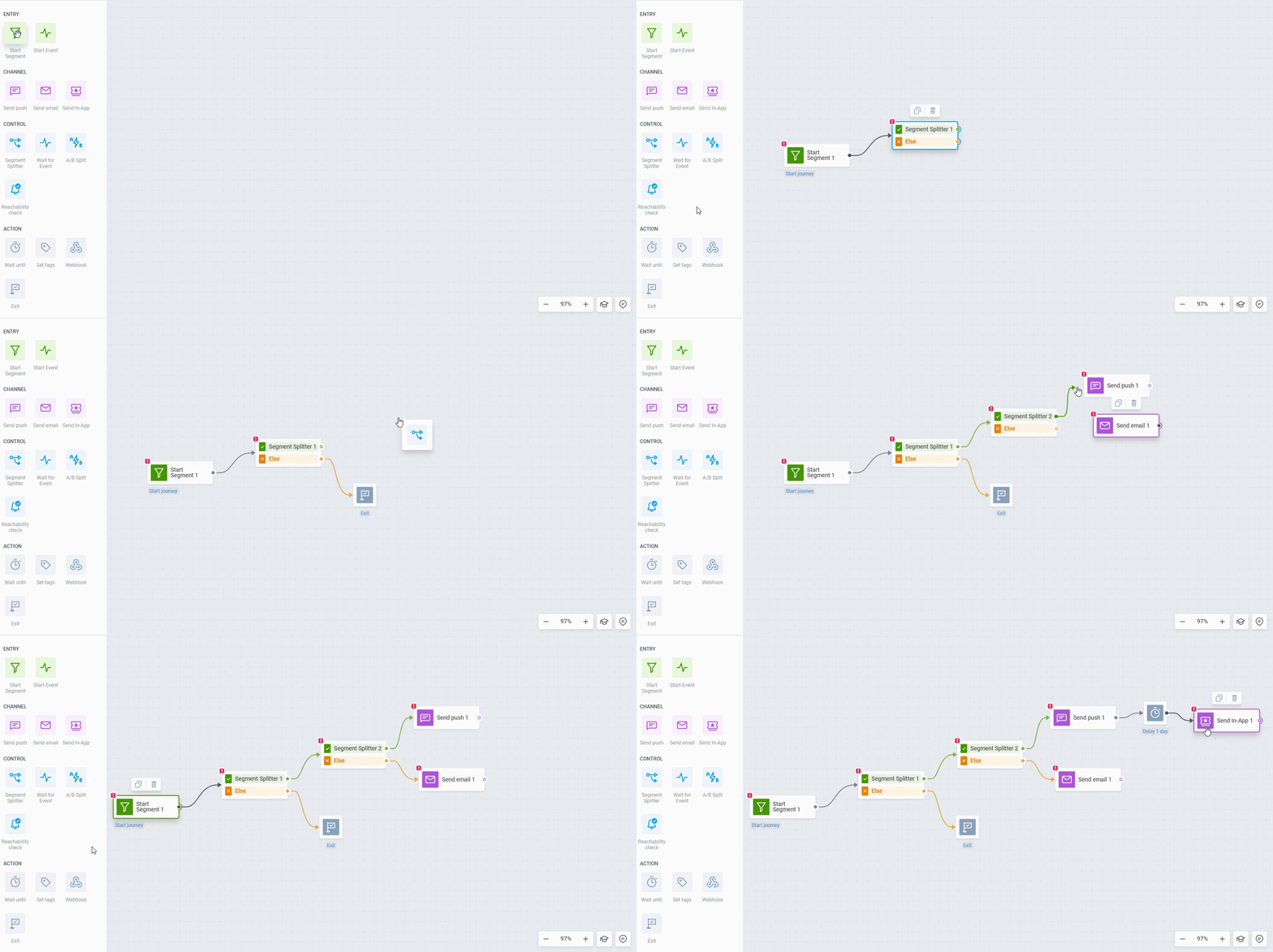
To begin with, you will need to choose a starting point—an event that will trigger the start of a user’s activation journey, for example, selecting a language to learn. Then add Splitters that divide yourusers by segments, such as gender or device type**.**
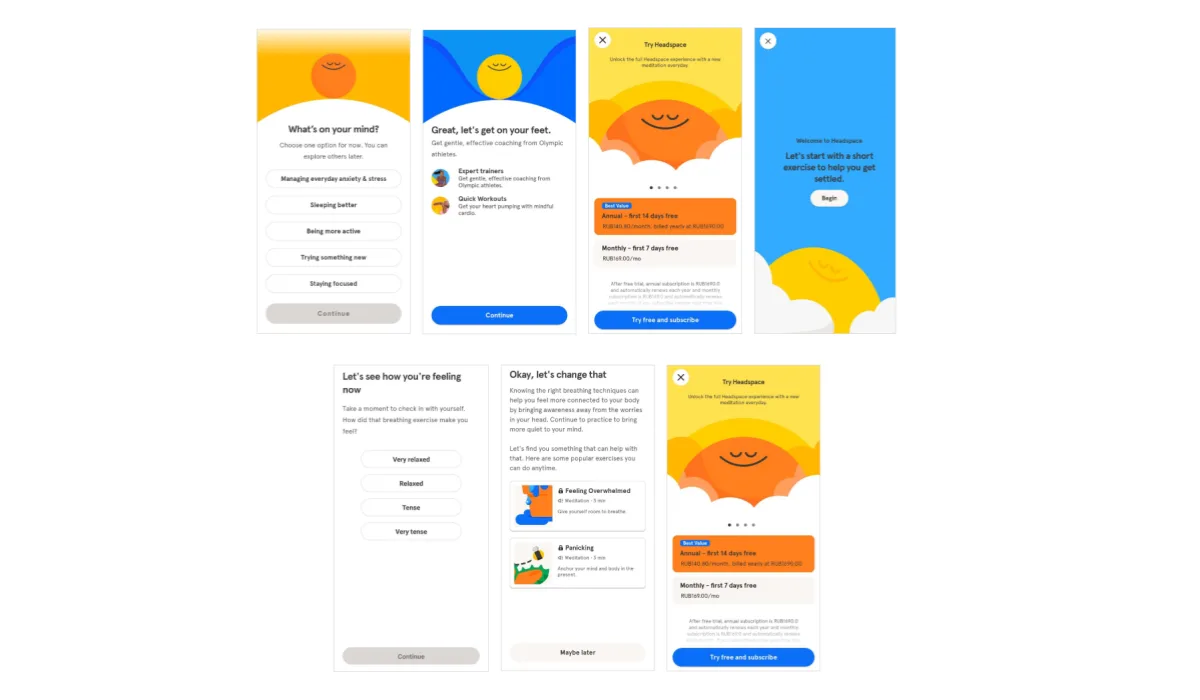
Let’s look at Headspace, a meditation app. Apparently, the activation moment comes when a customer agrees to take a free trial. But to achieve this, the app pushes the client slightly. Headspace first suggests a user sets goals for their meditation (that will be taken as a starting point of the journey), then asks about a convenient format (to divide clients into segments accordingly), and then offers a free trial. If a user is in doubt and clicks the cross to exit, the app offers to try a free exercise first, asks about emotions, and then offers a trial once again.
 🏄🏼Explore
more examples of
how health & wellness apps drive engagement in their apps
🏄🏼Explore
more examples of
how health & wellness apps drive engagement in their apps
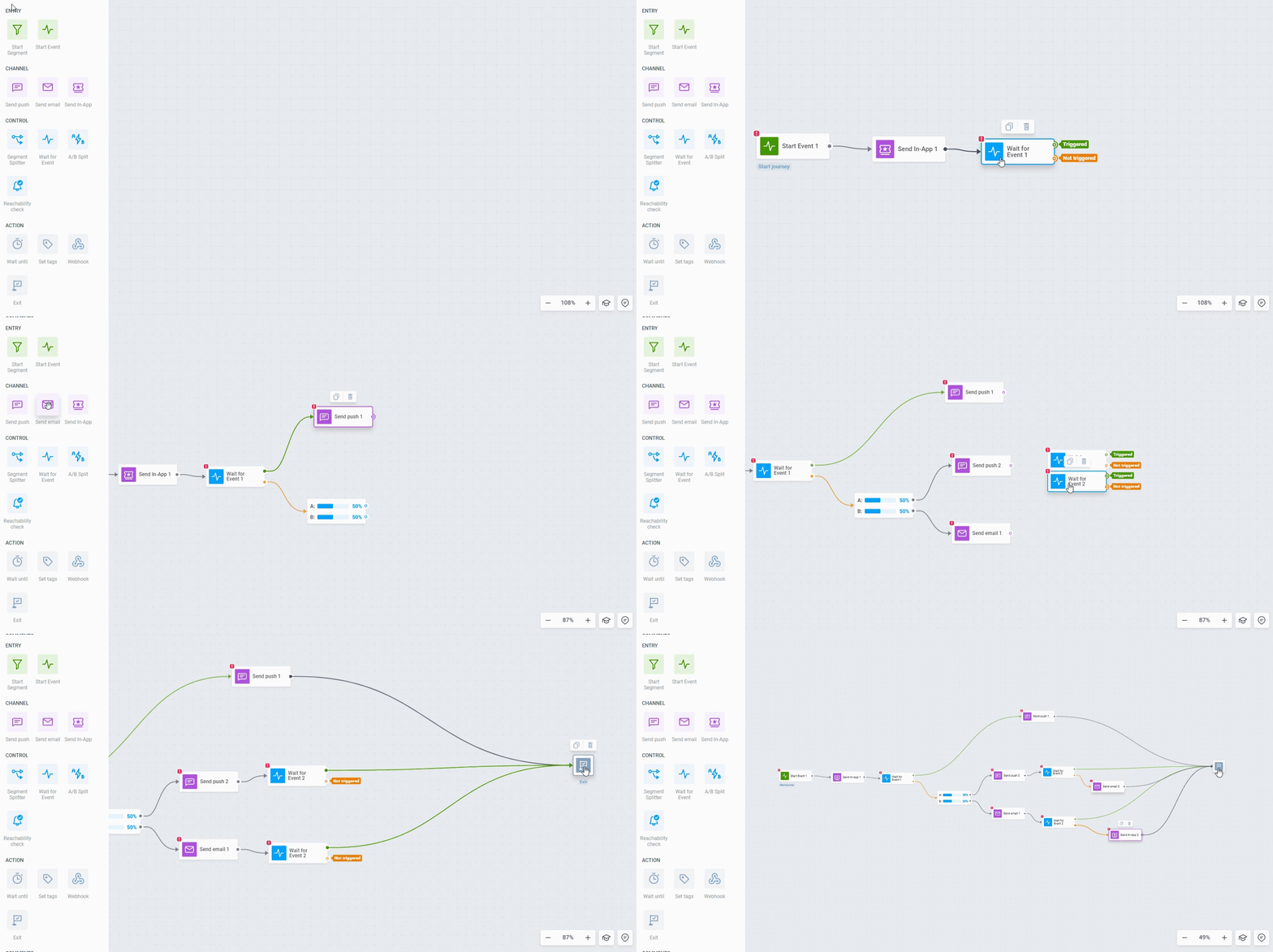
To implement effective onboarding, map your potential communication flow on a canvas in Customer Journey:
 🤗Learn
more about how you can plan effectively and constantly improve
user onboarding in your app
🤗Learn
more about how you can plan effectively and constantly improve
user onboarding in your app
Show the value of your product
To encourage visitors to make a purchase or subscribe, prove that your app is worth it because it helps users achieve their goals. What value does your app have and which features are the most useful? This is what you want to highlight in your communications.
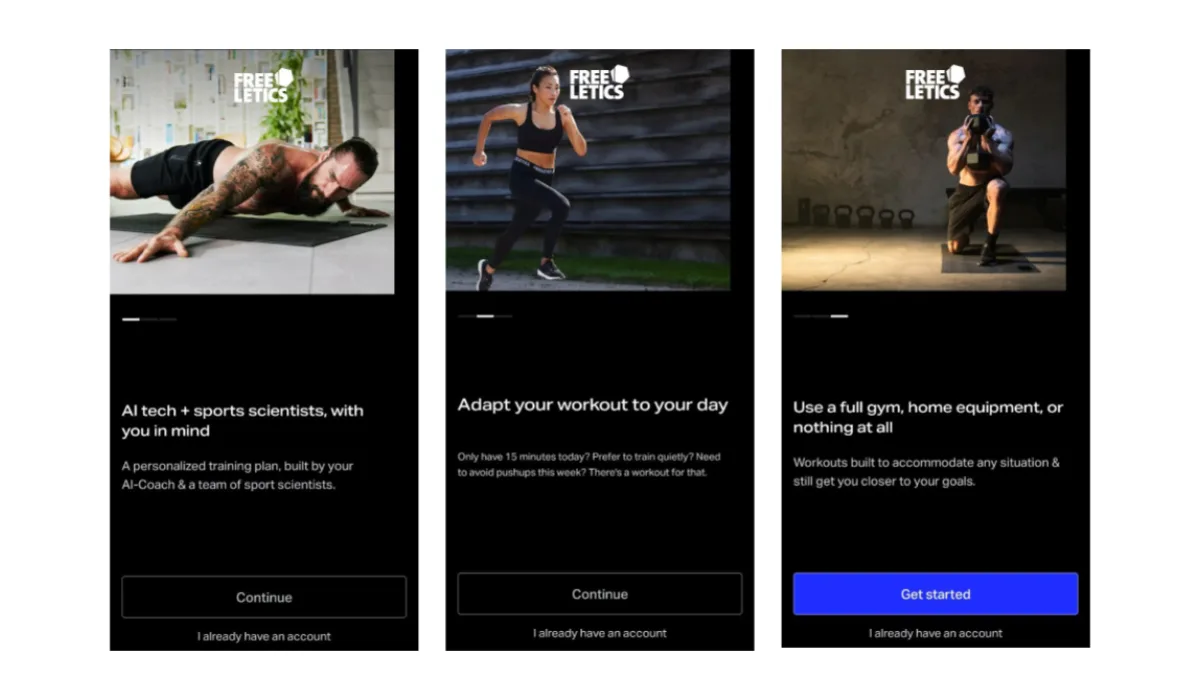
Here is an example from a fitness app called Freeletics. From the first steps, the app shows its value for the customer: personalized training plans approved by sports scientists. This means a user can enjoy an individual approach and aim at better results. If users don’t have any equipment or they only have 15 minutes to train, it’s ok as the app can adapt the sessions to help sports amateurs achieve their fitness goals.
Incentivize activation
To persuade customers to trigger an activation event, you can offer them something like a welcome gift, a discount, or a promo code for the first purchase. Such a strategy increases the likelihood of their activation.
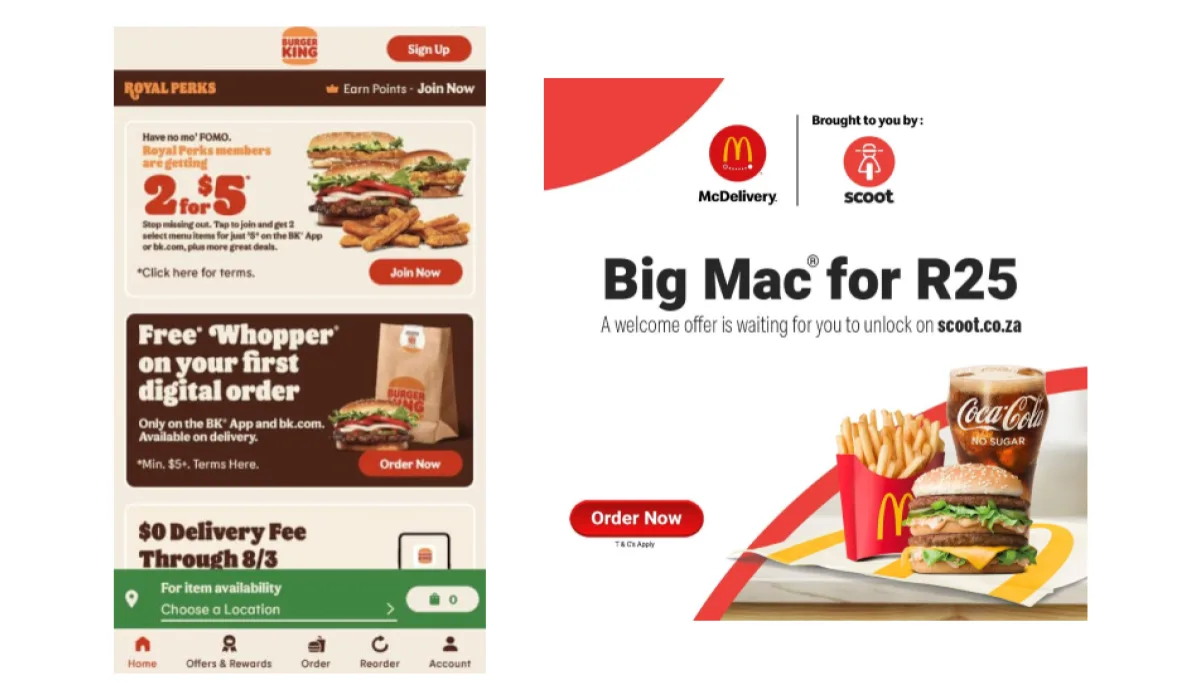
For instance, to expand its Kindle app user base, Amazon offered existing customers a $5 credit for signing into the Kindle app. And fast food restaurants such as Burger King or McDonald’s always offer coupons for the first purchase.
You can run an A/B test to check which offer will work better. Here you can see how one Pushwoosh customer set up a simple communication flow to compare the results of different offers.
Offer in-app exclusives
Besides cash incentives and gifts, you can thank users for completing an activation event with some exclusive content or early access to new features and products. For example, some magazines and news media sometimes provide access to expert content for an additional fee.
Optimize your current user activation flow
To better understand at what stage users drop off, create a communication sequence for each activation event, then track and adjust the user journey in your app. When you have segmented your audience by the actions they’ve taken, you can send them more relevant emails and push notifications.
And by analyzing user journeys, you can work out how to optimize your communication and increase the user activation rate. Here are just some ideas of how you can alter your messaging flows::
- Shorten the sequence;
- Change a sending time;
- Replace the messages’ content;
- Use more/fewer channels.
How do you determine which steps work and which ones don’t? How do you find out what exactly needs to be changed? A short answer: by analyzing the CTR metric — learning the percentage of those who’ve opened a message and performed an activation action. Pushwoosh Customer Journey Builder allows you to build effective flows, and it also provides you with all the necessary analytics: data is collected and presented conveniently for you to better understand your customers’ behavior.
Build omnichannel campaigns
If you find any weak points in your customer journey, try to catch up with users who have not completed the activation event yet.
- Send them emails with promo codes or discounts;
- Offer special bonuses (for example, Headspace opens access to a free meditation lesson);
- Create limited-time in-app events (and show users that if they want to participate, their time is running out);
- Apply referral schemes (so that current customers recommend your app).
If you keep overlooking customer activation, you may be missing out on some of the most promising strategic opportunities to raise your business revenue. Wonder how to improve your user activation, measure and increase its rate? Pushwoosh Team is there to help!