2021 was another year of opportunities AND challenges for mobile marketing. Having analyzed the new consumer behavior, many brands adapted their marketing strategies accordingly, focusing on the essential role of mobile apps in the new normal.
2022 is just around the corner and it seems like it will bring more digital transformation. What should app marketers remember when crafting their next year strategy? Pushwoosh talked to the industry experts about their expectations regarding mobile marketing and how to thrive in the Privacy and 5G era, which trends to watch in ASO and Mobile User Activision, in Gaming and E-commerce industries… and how to deliver the optimal customer experience in this scenario. Keep on reading the exclusive insights gathered for you in one place.
Top Trends That Will Shape Mobile Marketing in 2022
The Biggest Challenge for App Marketers in 2022
Data Privacy: Marketers’ Greatest Challenge or Opportunity
How Businesses Can Keep Up with 5G Technology in Mobile Marketing
Mobile User Acquisition: Is Organic or Paid the Best Bet in 2022?
How to Outdo Competitors Doing ASO in 2022
The Most Promising Revenue Streams to Drive App Monetization

Embracing the evolutionary trends as a consequence of the pandemic, what main trends will shape mobile marketing in 2022?
Jen Laloup (Mobile Growth Association): Apple’s ATT and SKAdNetwork will continue to reshape the mobile marketing industry. Many user acquisition (UA) marketers are still experimenting with the best way to procure new Apple users in the wake of ATT. But as we learn more about SKAdNetwork, app marketing strategies will continue to evolve.
On a similar note, I think UA marketers will start experimenting with more diverse channels. As Facebook’s (or should we be calling it Meta, now?) targeting effectiveness continues to struggle in the wake of ATT, UA marketers will look to DSPs, OEM, native, and other placements to find new users.
First-party data is becoming more important than ever and we will see new players get into the mobile marketing game. We’ve already seen Walmart launch their own network, and I think we will continue to see companies with huge repositories of data find new ways to capitalize on that information.
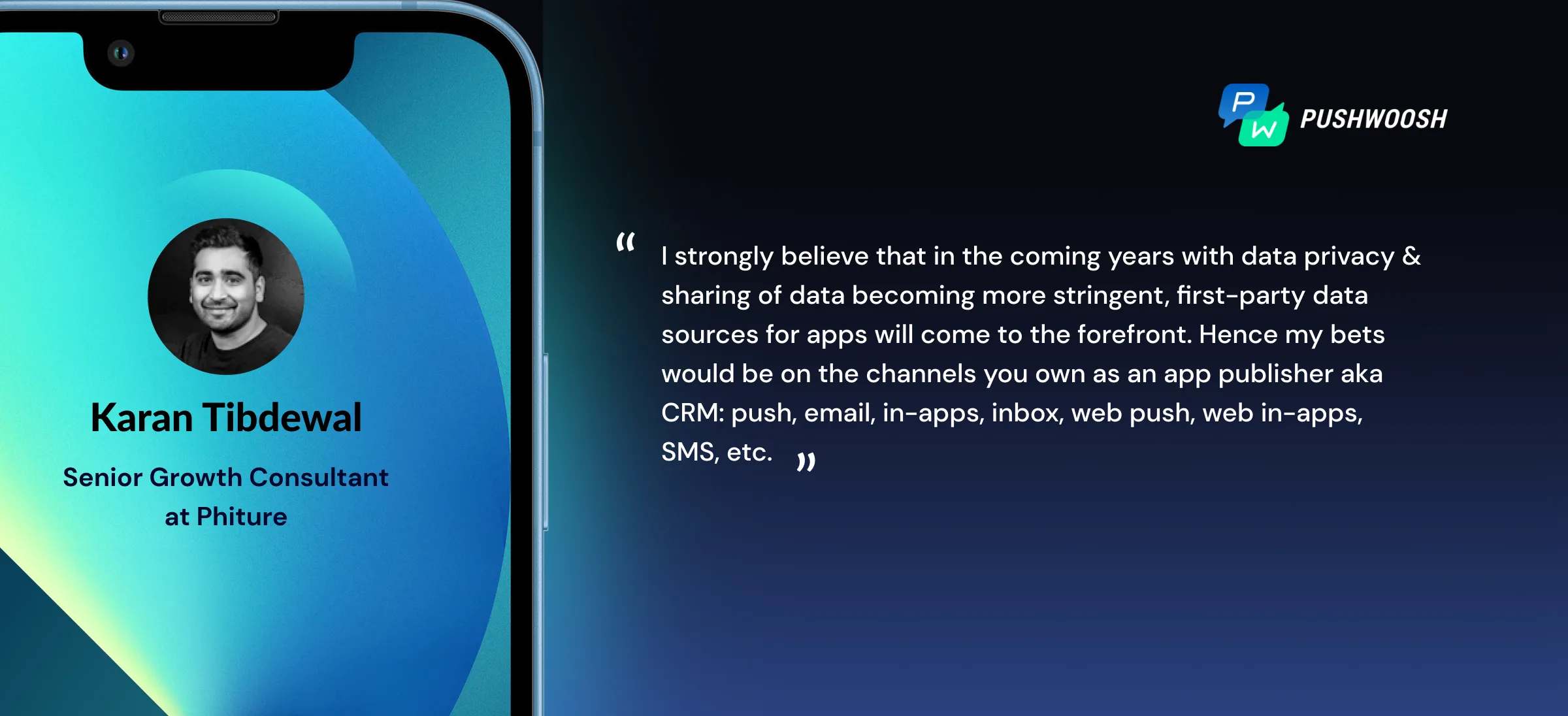
Karan Tibdewal (Phiture): 1) Privacy will probably have an overarching effect across the entire user funnel right from acquisition to winning back customers.
-
Data infrastructure & Agility: with the restrictive access to data across all platforms, mobile companies will be investing a lot of effort in the reliability of their data infrastructure i.e. making sure that data that is manipulated, visualized & used across marketing efforts is reliable & trustworthy.
-
Subscription economy will be a significant topic in the coming years with many third-party services.
In this rapidly changing landscape, what will be the biggest challenge for app marketers?
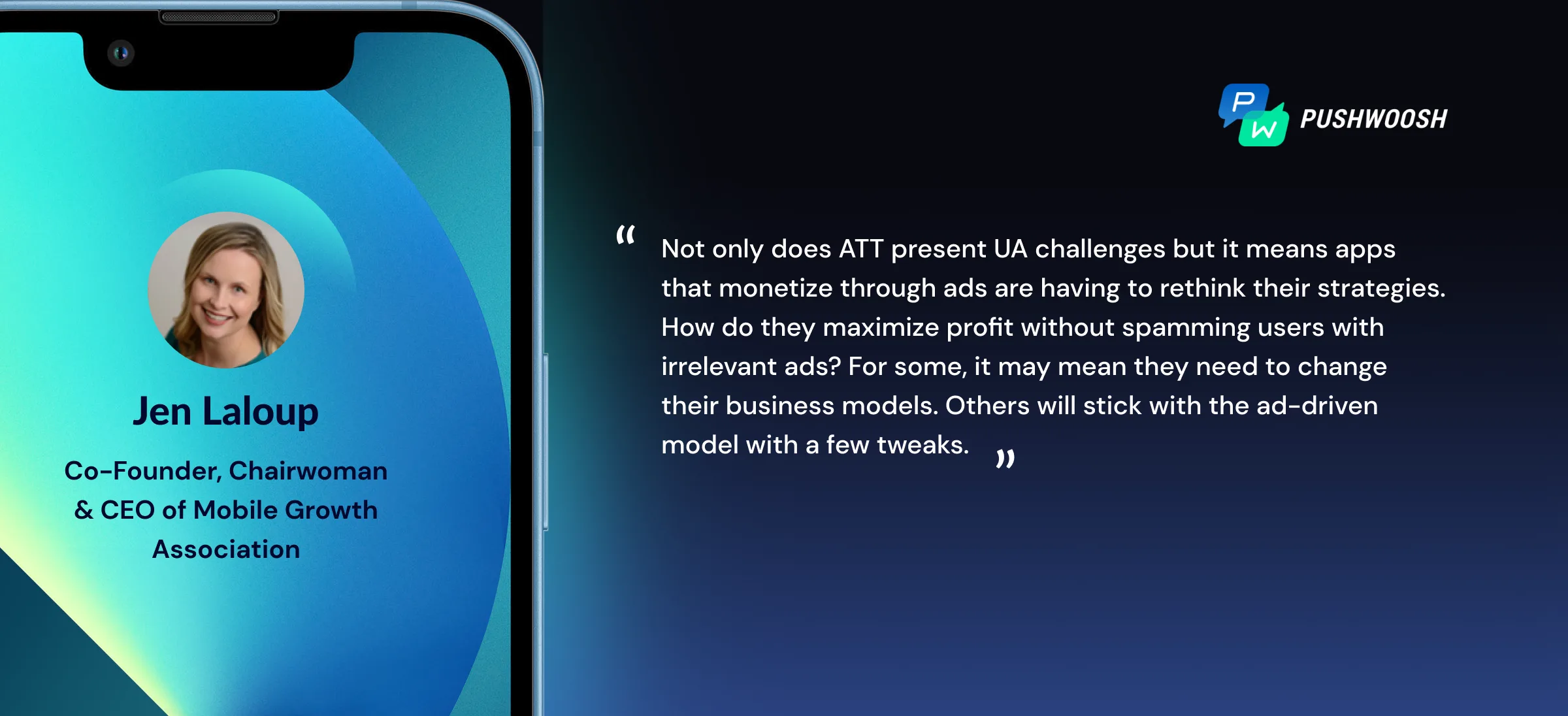
Jen Laloup: ATT and SKAdNetwork. Many UA marketers have compensated by simply switching their budgets to Android, but they can’t ignore Apple forever. Sooner or later they will need to test new strategies.
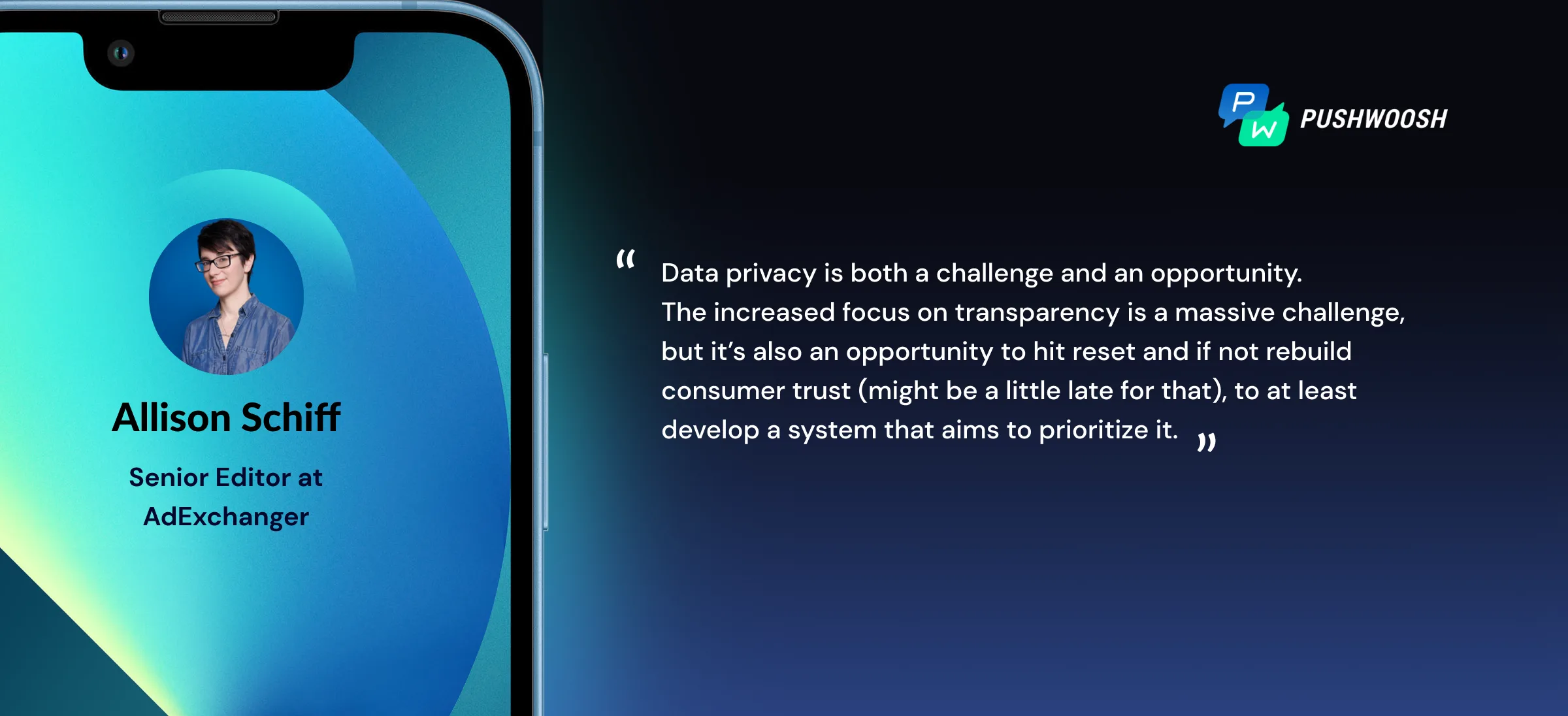
Allison Schiff (AdExchanger): Without a doubt, one of the biggest challenges for app marketers in the new year is a continuation of a big challenge that arose in 2021: Apple’s privacy-related changes in iOS 14.5 and more changes to come with the release of iOS 15.
You could argue that the ad industry has been too reliant on user-level data. Now that IDFA-based attribution, ad tracking, and retargeting are all becoming less accurate, app marketers will have to roll with the changes.
Karan Tibdewal: In addition to the growing competition, I believe one of the biggest challenges for app marketers would be to understand & implement more sophisticated experimentation programs to get an edge over the industry in terms of best practices, etc.
A customer-first approach is being adopted widely. The powerful new privacy protections in iOS and Android are not an exception: now mobile users can take more control of their data and manage access to it. Do you think that data privacy is marketers’ biggest challenge or an opportunity?
Jen Laloup: I think it’s a real opportunity for app marketers to do better. The industry has become so reliant on tracking and third-party data that, in some ways, it’s stifled creativity. Once app marketers regain their footing and test new strategies, I think the industry will be better for it.
We’ve all been haunted by the same ad — often for something we have already bought — as we move across the web. It’s not a great experience, and personalization will have to evolve.
As more consumers get access to 5G on their mobile devices, how can businesses keep up with this technology in mobile marketing?
Venkatesh C.R (Dot Com Infoway): Businesses will be able to use high-definition video, audio, and graphics for marketing and business critical updates without taxing user devices. Video games will be more immersive and display graphics that have never been experienced before. Gamers will be able to live stream virtual reality games with full audiovisual experience. Internet of Things devices will grow more intelligent, and data gathered from these devices will be used for targeted mobile marketing.
The biggest hurdle is going to be infrastructure investment. The current receivers are unable to accommodate 5G connections. Although comparatively smaller receivers can be used for 5G connections, their number will need to be increased. Good news is that many Internet service providers have already crossed this hurdle.
Simon Thillay (ASO Tool): What 5G adoption means for mobile marketing in 2022 is that consumer expectations are likely to reach new highs, whether regarding the quality of digital products, the use of cloud-based solutions, or the possibility to use apps across multiple devices.
At the same time, not everyone will have access to 5G in 2022, so it will be important to keep reliable products for consumers with lesser access to data and devices.
Mobile user acquisition: is organic or paid the best bet in 2022? While app install ad spend spikes, what other channels for app growth should be considered?
Karan Tibdewal: It depends on the growth phase of the app - very broadly speaking from a long-term user retention perspective, organic almost always without exception trumps Paid.
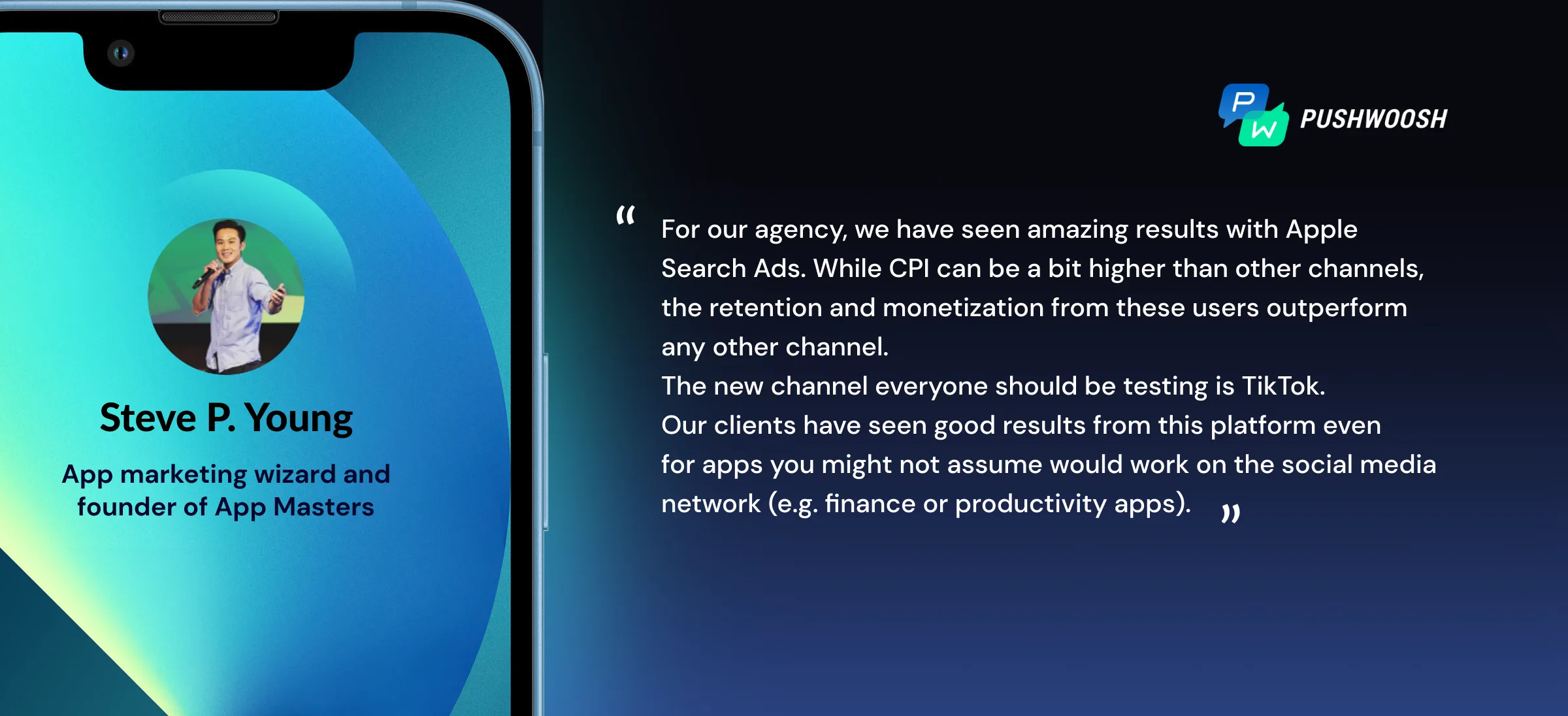
Steve P. Young (App Masters): It’s always a blend of both. You need to have the fundamentals of App Store Optimization in place so that your paid marketing efforts can help bring more organic traffic to your app.
In terms of new marketing channels, I’ll give an oldie and a new one.
Simon Thillay: The lines between organic and paid acquisition have blurred in recent years, and this trend will continue in 2022. In that context, there is no single best bet for everyone, but instead, each marketer should consider which channel makes the most sense for their product or service and optimize towards these channels.
Nevertheless, marketers should not shy away from experimenting with new channels. App Clips is a great example. Those apps that can build a relevant use case for using App Clips, should definitely explore how they can use App Clips to increase their presence on existing channels (e.g. Apple Maps) or tap into new channels.
Along with the surge in mobile app usage, the competition between apps is increasing. How can you outdo competitors doing ASO in 2022?
Simon Thillay: Things can change very fast in the store, therefore consistency is the first foundation to building a steady ASO performance. It will be key to not see ASO as an isolated channel and work closely together with user acquisition and product teams to align messaging and creatives so you always put forward your app or game’s main value proposition. With recent changes in both the App Store & Google Play, there are more things than ever you can do in ASO. so those who optimize for these updates quickly without losing sight of this foundation can outperform the competition.
What are the promising revenue streams to drive app monetization?
Steve P. Young: This is easy, it’s subscriptions. We have been testing all types of subscription plans — trials, pricing pages, lifetime offers, etc. Our tests have shown that 3 and 7-day trials are ideal lengths and that longer pricing pages are outperforming short one-pagers. Here’s a pricing strategy video where the longer pricing page increased revenue by 65%.
Jen Laloup: Recurring subscription revenue has always been one of the best, most stable, ways to monetize. That’s truer now than ever before, but it’s not just about the money. Subscribers volunteer information and give you lots of data that can help you target new lookalike audiences. This is important when you can’t target individuals.
Karan Tibdewal: Subscriptions, upselling & cross-selling — these are the most promising revenue streams to drive monetization. Although still quite small, I believe in the crowded space we currently are in — partnerships might rise in the coming years.
In the pandemic times, gaming apps have experienced an unprecedented spike and continue leading the mobile industry, being one of the most profitable sources of revenue (App Annie expected $120 billion consumer spending in mobile games in 2021). To take advantage of this trend, what are the best practices to increase app visibility?
Simon Thillay: In the beginning of 2022, mobile marketers will be keeping an eye on the long-awaited iOS 15 Product Page Optimization and Custom Product Pages features.
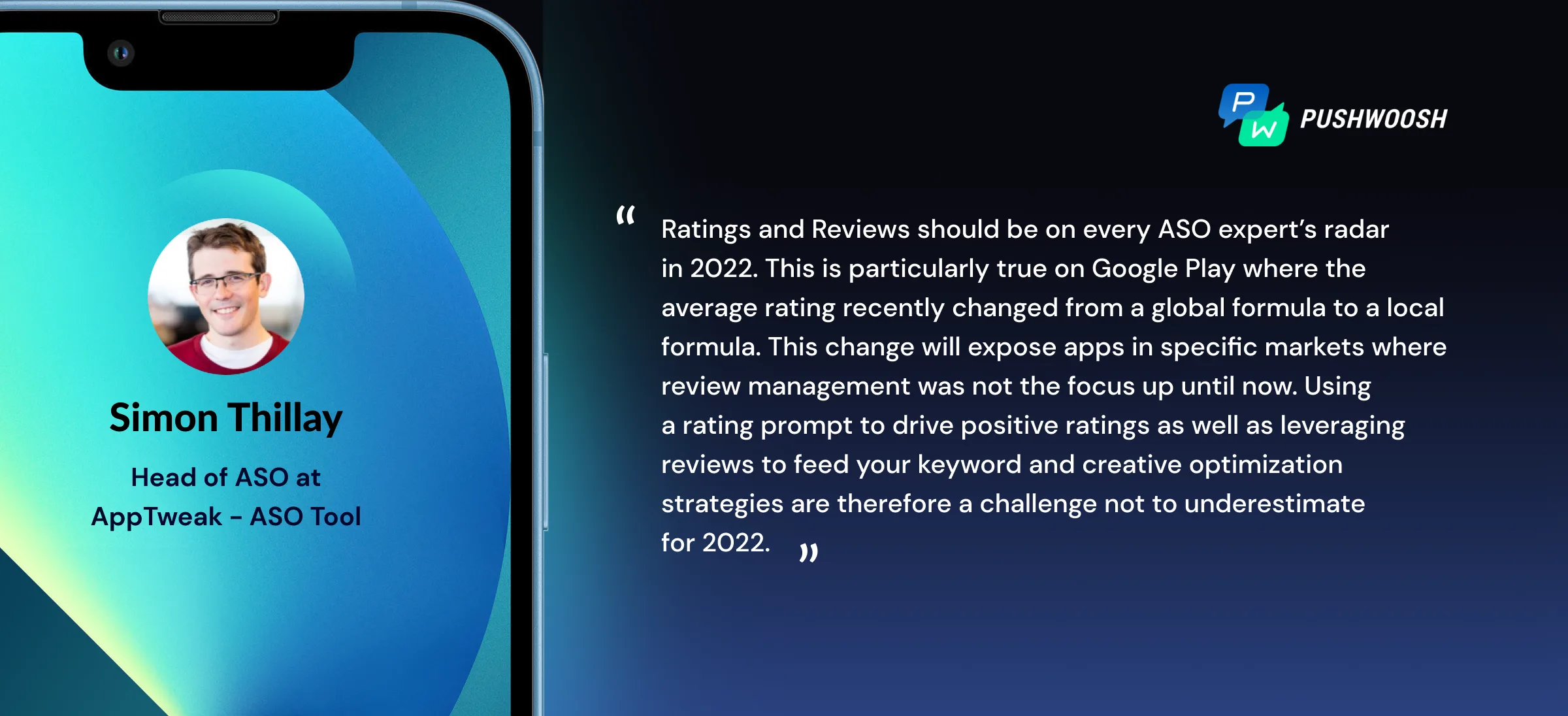
Steve P. Young: TikTok. Younger gamers like my 13-year-old son are not finding apps through search, they’re finding them on TikTok and YouTube. I would be doing a lot of tests and advertising on TikTok.
What will mobile commerce look like in 2022? What new social commerce opportunities are we observing?
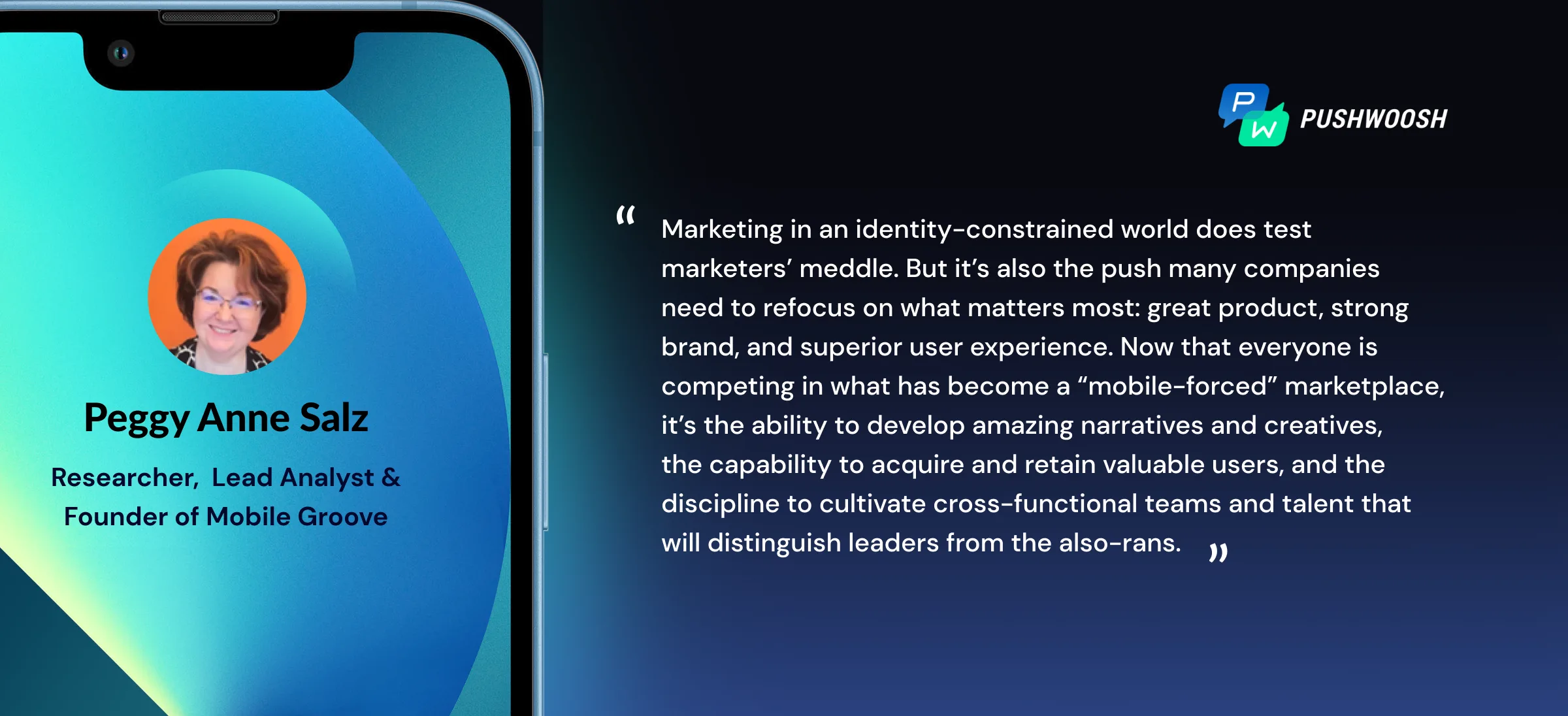
Peggy Anne Salz: The surge in online and mobile interactions and transactions has escalated consumer expectations for customized communications and offers. At one level, commerce is conversational, which turns up the pressure on marketers to listen and, through marketing and messaging, show a genuine interest in what customers say. At the other end of the spectrum, commerce is also becoming experiential. From live streaming to augmented reality, the options are exciting, and the sky’s the limit. Marketers should experiment with technology but never lose sight of the importance of infusing everything with the human touch that is essential to drive customer connection and conversions.
Jen Laloup: The pandemic saw an explosion in mobile commerce, and that trend isn’t going anywhere. Facebook has historically been the biggest player in social commerce, and despite its struggles with ATT, Facebook still has a huge repository of first-party data to draw from.
Mobile has become a crucial part of today’s customer experience. What do brands need to remember to provide the best customer experience and stay competitive?
Venkatesh C.R: The best way to deliver optimal customer experience is to understand what the customer expects of your mobile app in terms of user experience and deliverables.
Moreover, customer experience, when you are offering a commercial mobile app, is not just confined to the user interaction with your mobile app; it also extends to resolution and your response to customer feedback.
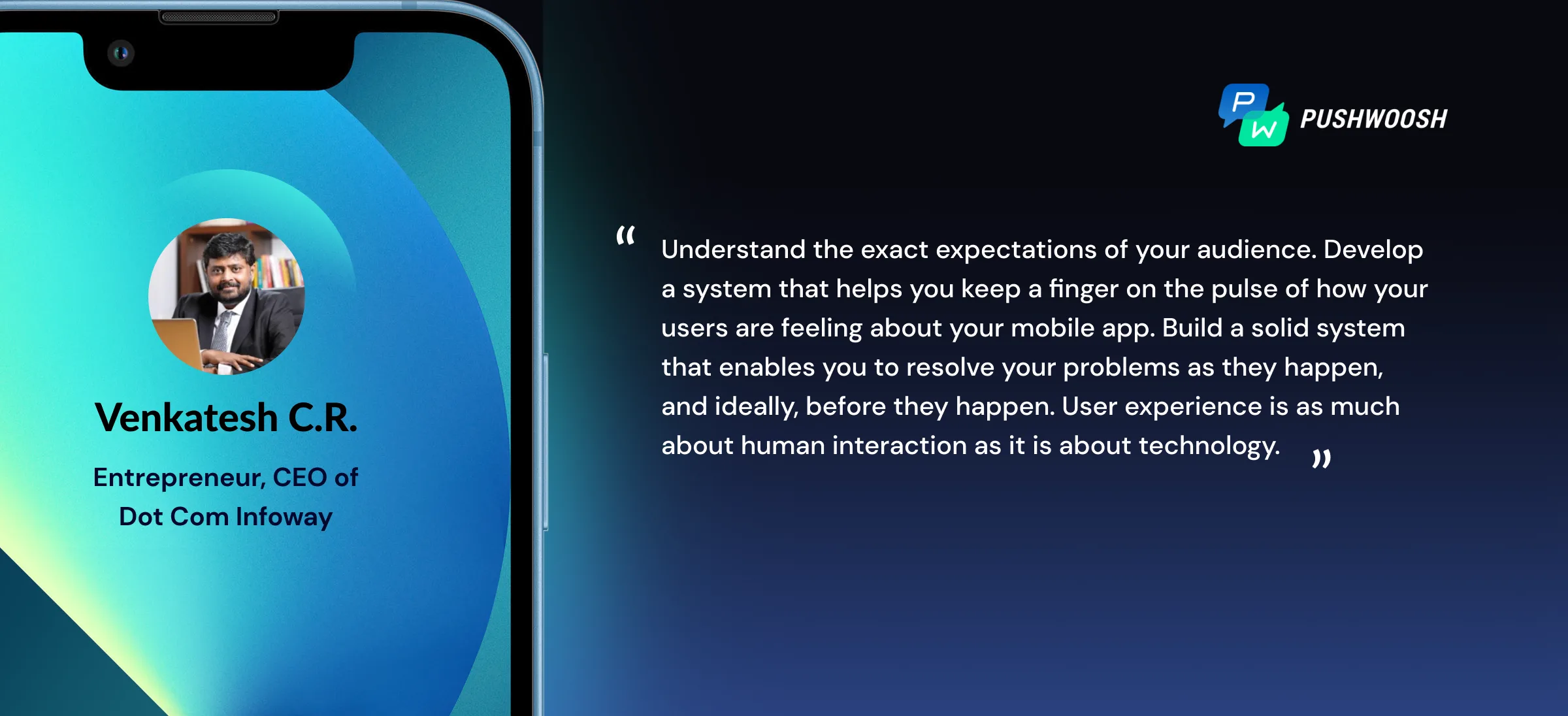
Сreate a perfect combination of automation and personalization to deliver the best possible customer experience. Let the first connection be with an automated tool like an email that automatically generates an answer based on the query or the subject line, or a chatbot that digs out the right answer when the customer asks a question. You can also create automated content but personalize it with vital bits of information. If the issue is not resolved, as backup, let the customer get personalized attention.
Peggy Anne Salz (Mobile Groove): Mobile is a fiercely personal device that sits at the core of the customer experience. It’s the work of marketers to elevate this experience with marketing and messaging that is aligned with want what people want — and genuinely appreciate — delivered in the appropriate context. In practice, this means drawing from data around how consumers behave on mobile and in apps to create and curate content, offers, and engaging messaging. But in 2022, the ability to deliver this high level of personalization will start to become table stakes. Marketers that want to win will do it with the help of AI and automation that gives the edge at anticipating and responding to new and existing consumer needs and preferences.
As you can see, the mobile industry, characterized by an unprecedented customer centricity, will never be the same and 2022 will bring even more changes. For marketers to turn new challenges into opportunities in the new year, it is important to stay tuned to new trends and respond to them rapidly. Are you ready to thrive in the post-pandemic world?