You surely want to communicate differently with your most loyal customers and those who are about to churn. What does RFM segmentation mean in practice? It means grouping your audience by purchase behavior so you can launch better-targeted marketing campaigns. With the RFM customer segmentation tool available in Pushwoosh, you can easily make sense of your audience and do exactly that. The tool is particularly effective for RFM segmentation for e-commerce, gaming, and fintech — the industries where this customer segmentation model is so needed and appreciated. (Spoiler: other types of apps can benefit from RFM segmentation too!)
In this article, we’ll share practical tips on how to do RFM segmentation and tailor your marketing strategy and mobile communications to each of the RFM segments. As a result, you’ll learn how to implement an RFM segmentation strategy that drives higher conversions and incremental sales.
If you are new to RFM analysis and segmentation — or simply looking for an RFM segmentation for beginners overview — see the FAQ section at the bottom of the page.
Pushwoosh RFM segmentation tool
When starting a new campaign in Pushwoosh, it’s quite rare that you’d want to target the whole user base. Instead, you’d segment your audience by user preferences, as well as real-time or past behavior to receive the best response to your message.
To further enhance your segmentation strategy, you can leverage Pushwoosh RFM Segmentation tool. By RFM model definition, the analysis reflects the very core of your relationships with customers — their purchase behavior or simply how much and how often they buy from you. This is what makes RFM in marketing so powerful: it turns raw transaction data into actionable segments.
How to calculate RFM segmentation: RFM scoring explained
RFM segmentation in Pushwoosh is based on two metrics:
- Recency — how recently a user made a purchase;
- Frequency — how many purchases they made during a given time period.
The key idea is that customers who rank highly in the above characteristics are more likely to be repeat buyers and are more open to promotions.
✨Wow: RFM analysis in Pushwoosh is also available for non-purchase events! Learn more in the dedicated section below.
To apply RFM marketing segmentation, Pushwoosh assigns a recency and frequency value to each of your users based on their purchase/event history and categorizes them into groups based on the RFM scoring.
The result is displayed in an RFM matrix — a grid of 10 sections with the number of users in each segment. Additionally, the Average Monetary Value of each segment is calculated:
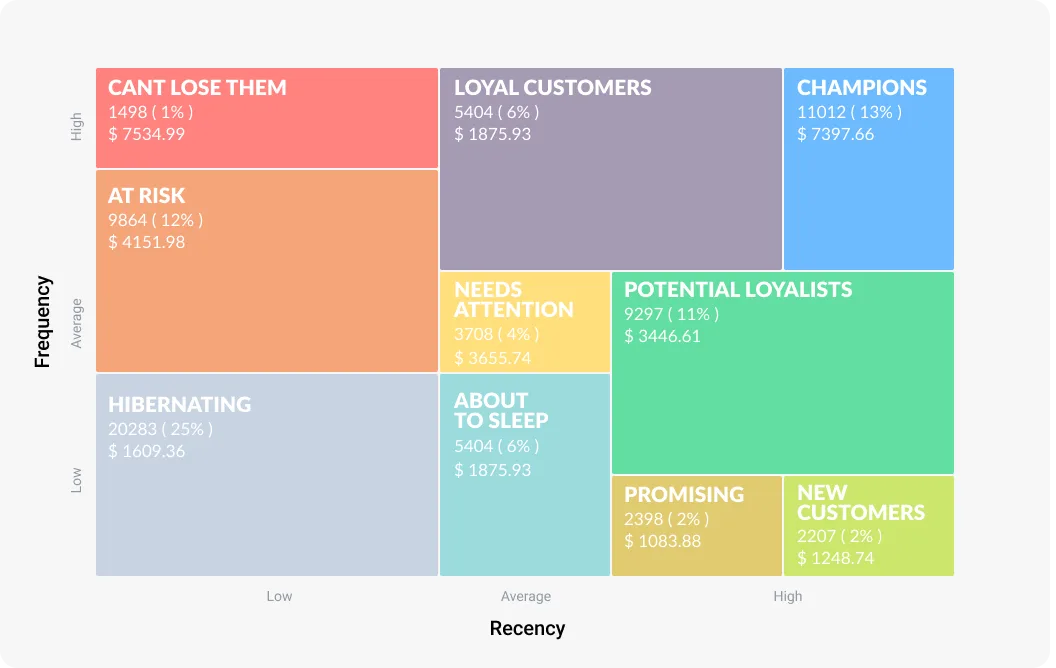
With the RFM grid, you can set better-targeted marketing campaigns and create personalized messages for each segment to design meaningful customer experiences:
1️⃣ Calculate the RFM grid and identify segments that need improvement before launching your campaign;
2️⃣ Target messaging campaigns specifically for these selected groups;
3️⃣ Recalculate the RFM grid to analyze the effectiveness of your campaign.
How to do RFM segmentation: implement RFM analysis to drive your app growth
According to McKinsey & Company’s report, brands that prioritize personalization in their marketing activities gain 40% more revenue than other players. Such numbers can inspire marketing managers to take personalization seriously, can’t they?
As personalization constitutes the core of the RFM model in marketing, RFM segmentation can become a real game-changer for your app’s growth. Creating unique marketing campaigns for each RFM segment can increase your marketing ROI, as well as drive your app’s core metrics:
E-commerce and gaming apps: AOV, customer lifetime value (CLV), CTR;
Subscription-based/hybrid apps: conversion rate, DAU/MAU,, churn rate.
Customer segmentation using RFM analysis can help you pinpoint the user data which is vital for app growth strategies:
- Who are your high-value customers?
- Which users can be converted into the most loyal customers with little effort?
- Which of your customers can be cross-selled to/upselled?
- How big is your pre-churn segment (and, thus, your potential loss)?
- Which users need to get re-engaged or re-activated as soon as possible?
Building your communication campaigns on these questions is paramount for allocating your marketing efforts more wisely. So, let’s dive deeper into the possible strategies you can apply to communicate with each of your RFM segments.
RFM use cases: segmentation examples for every RFM segment
Here is how you can tailor your mobile messaging strategy to each RFM segment to increase their response and overall satisfaction:
“Hibernating”
This segment includes customers whose purchases were long back and rare. As the value of this segment is low, we don’t recommend spending a lot of resources on communication campaigns, as you won’t get a good ROI. Still, if you want to win back these users at minimal cost, you can bring them together with the “About to sleep” and “At risk” segments and apply the same strategies.
“About to sleep” and “At risk”
These customers may slip away if not re-engaged with or re-activated. In e-commerce and gaming, your strategy for these segments is to spike interest with special discounts and personal promo codes.
Check out two examples of push notifications from the game apps published by Beach Bum:
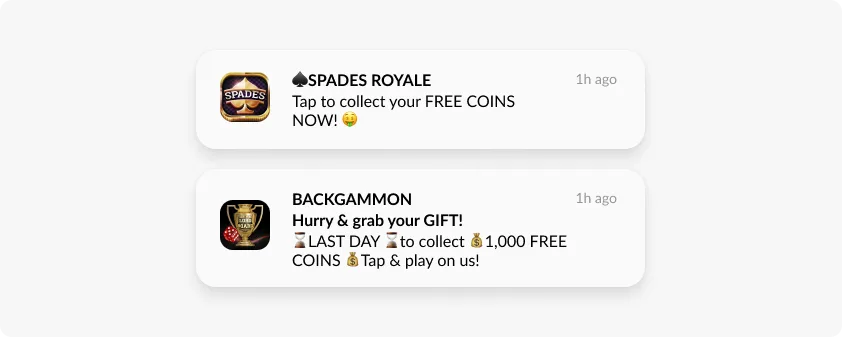
With this kind of automated messaging, the company tripled its engaged audience. We know it for sure, as they’ve been using Pushwoosh.
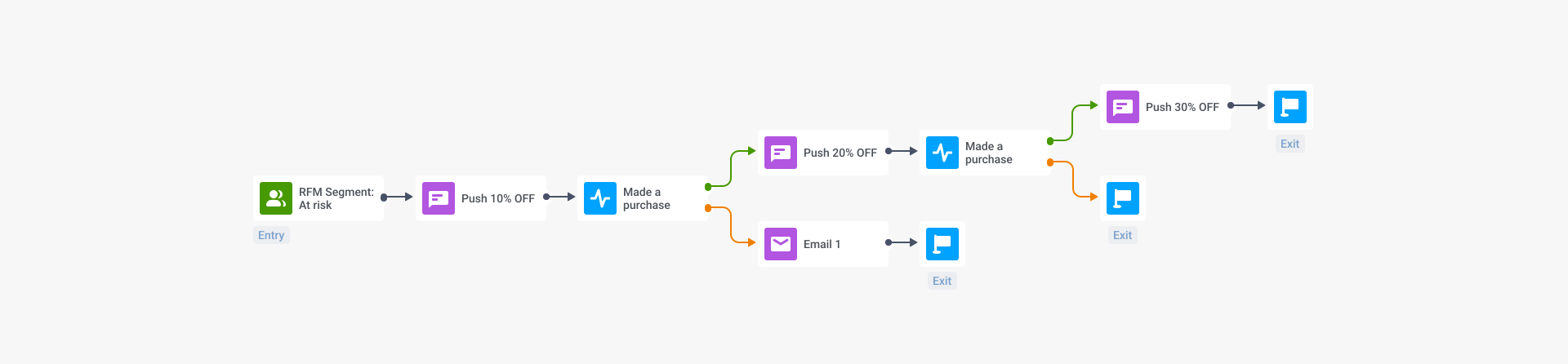
Here is your strategy for working with “About to sleep” and “At risk” segments:
- Set up a Customer Journey for those segments;
- Send re-engaging or re-activating messages (push notifications and/or emails);
- Recalculate the segments after a while and see if they’ve changed in numbers.
You aim to transform your inactive users into “Loyal customers” or “Potential loyalists” (read more about them below).
Consider creating a loyalty program that will imply a personal discount on each purchase. It may be growing steadily or depend on the number of items purchased, the total of the order, and the like:
“Loyal customers”
These are customers with frequent and high-value spending. They are responsive to promotions and relevant recommendations, especially in the form of personalized messaging.
Here is your strategy for working with loyal customers:
- Analyze their purchase history, personal preferences, and user data;
- Figure out possible recommendations;
- Run a personalized messaging campaign.
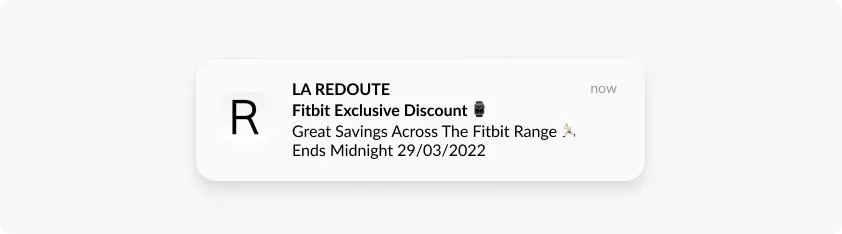
For example, you can analyze a user’s favorite brands and send push notifications to alert this user of a special offer:
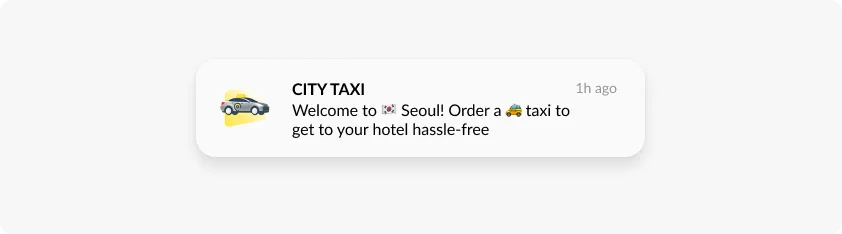
Also, one of the most effective forms of personalization is geo-targeted messaging. Here is an example of a location-triggered push notification from a mobility app:
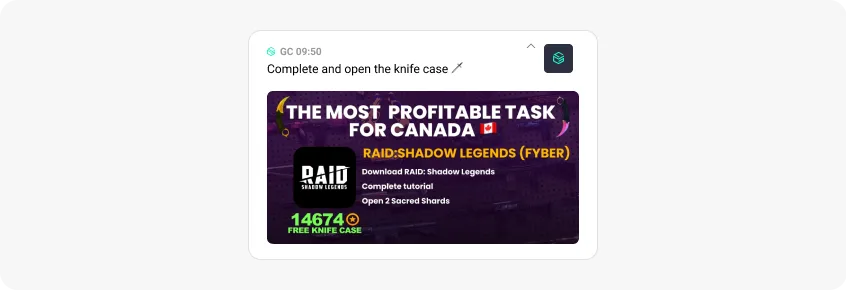
Here is an example of a geo-targeted message from a gaming app suggesting users from a particular country complete a relevant daily task:
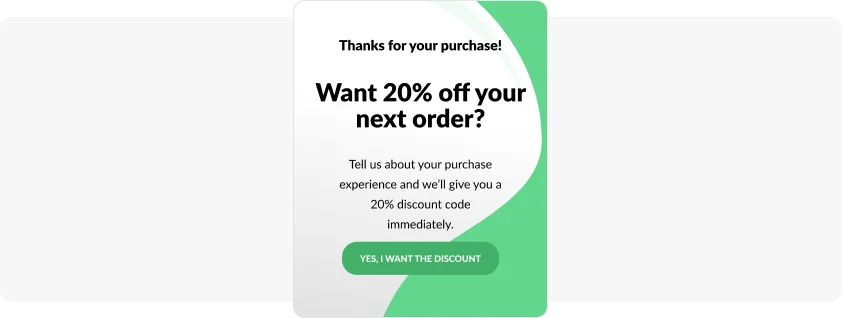
Another strategy to move your loyal segment up the ladder is making an exclusive offer you only send to your active customers. Try teasing your audience with a discount in exchange for a review about the brand or a particular purchase:
As your “Loyal customers” have regular interactions with your app, they will appreciate a flawless shopping experience backed up by service messaging:
- Transactional messages;
- Order and delivery status updates;
- Returns process notifications.
All in all, service messaging can increase your loyal customers’ satisfaction if you keep it simple, clear, and, of course, personalized.
“Potential loyalists”
These users can become your loyal customers if you motivate them to purchase more often. This can be done through relevant event-based communication. Your efforts will definitely pay off: according to a Pushwoosh internal study, event-based personalization can result in 25× higher conversions.
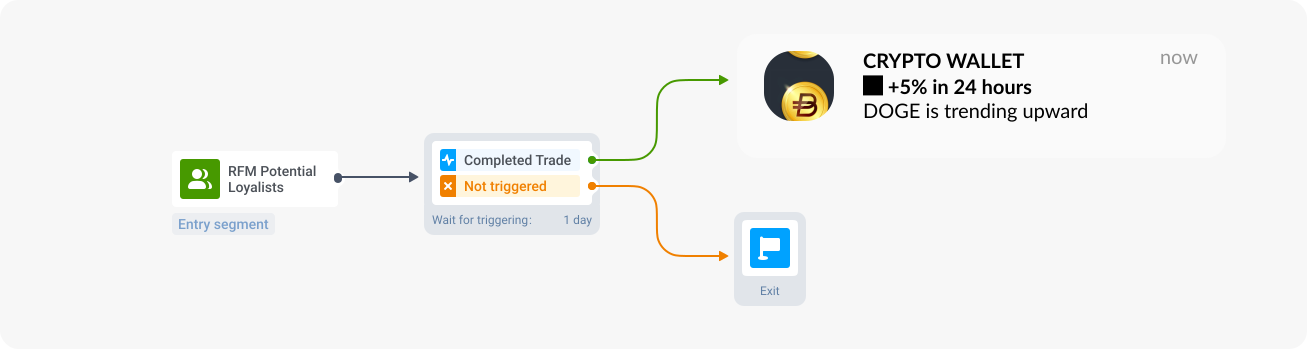
For example, a crypto exchange app can inform users who have recently completed a trade about positive trends to motivate them to continue trading and increase their transaction volume:
When applying event-based communication in Pushwoosh, use Dynamic Сontent with automatically entered information specific to a particular event and user. For example, a gaming app may congratulate a user on a recent achievement they’ve unlocked.
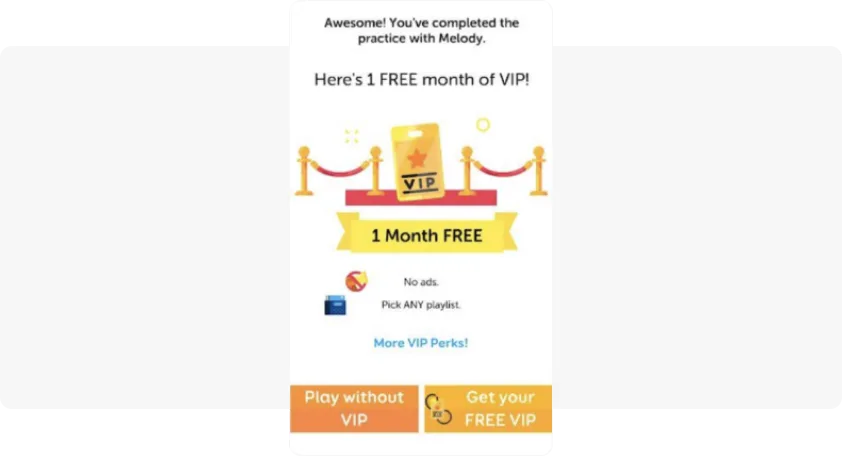
In this example, the gaming app SongPop offers the users who have completed a free game to try one month of VIP games for free:
“Champions”
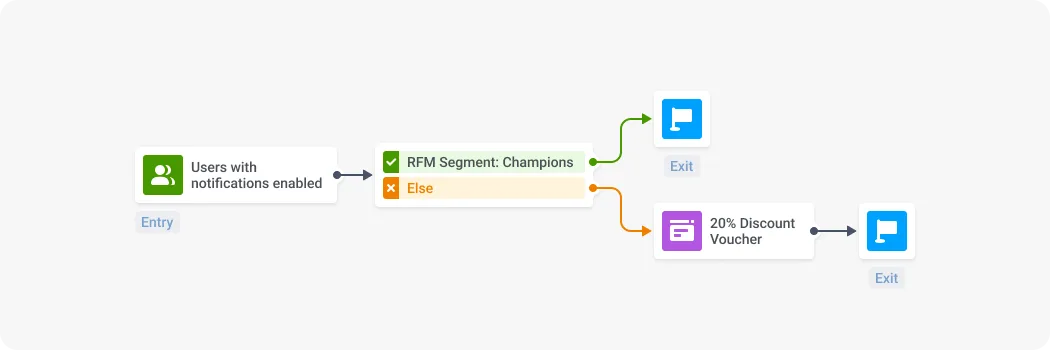
This segment includes customers with a higher willingness to pay, so there is no need to use discount pricing to generate incremental sales. Instead, the key strategy here is to focus on loyalty programs and new product introductions.
“Can’t lose them”
These customers used to be your high spenders but haven’t interacted with the brand lately. They have a good potential to boost your revenue if you manage to re-engage them.
You’ve probably already earned high margins from this segment, giving you confidence about investing resources into a new promotional offer. For example, you can prepare a holiday offer and expect these retained clients to bring you an extra 25% in the average order value. For holiday campaigns, you may want to additionally segment your audience based on their location, as holidays differ from one region to another.
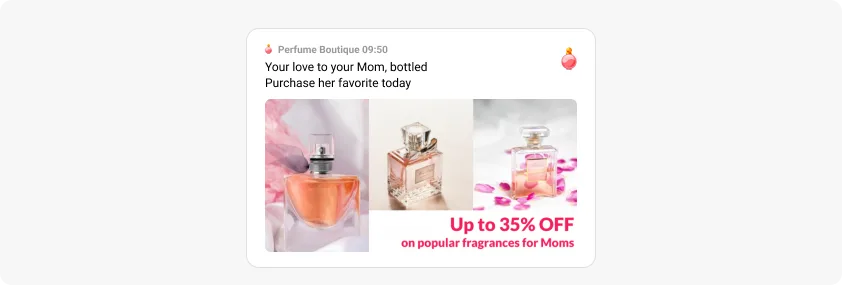
To make your segmentation more granular, tag those who made purchases during a holiday season as “Purchased during the holiday season”. Then, during the following year, compare this segment with less active buyers in your RFM segmentation and track those who shop only for holidays (or during the discount season). You can craft special offers for this particular group.
“New users” and “Promising”
These are customers who have recently made their first purchase using your app. A campaign encouraging new orders from these segments may be a quick-win strategy. Adobe’s Digital Economy Index report shows that conversion to repeat purchase is 9 times higher than conversion to first-time purchase.
Moreover, one repeat customer brings the revenue equivalent to that generated by five new customers.
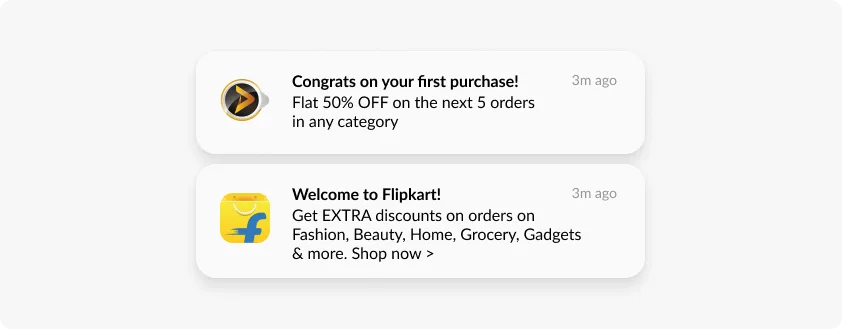
Reach out to your customers with follow-ups after they have completed their first purchase and entice them with new offerings. Engage new app users with a welcome promo code or free delivery:
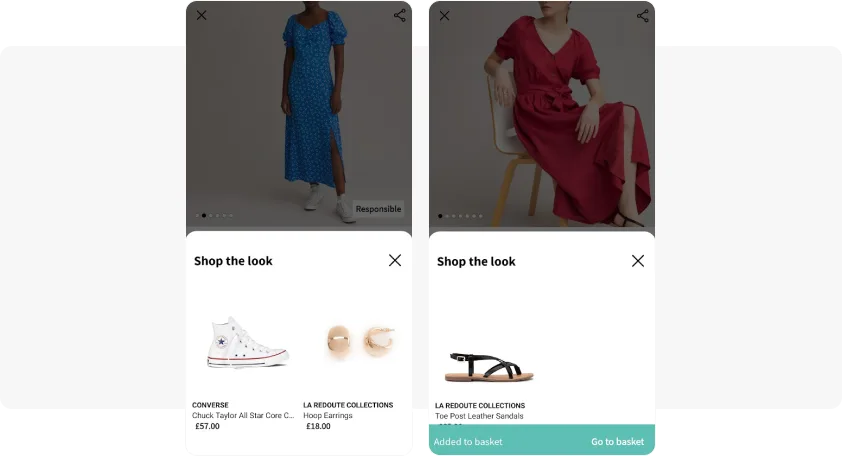
You might want to increase your average order value (AOV) by cross-selling relevant products typically bought together. Here is an example from the La Redoute app:
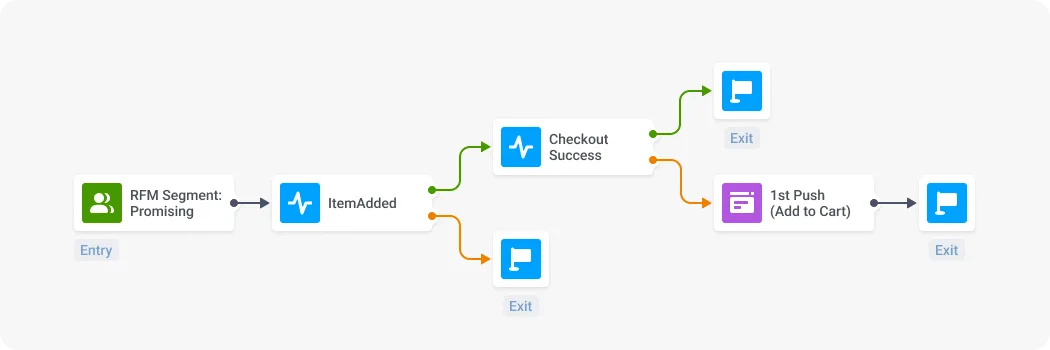
A good strategy for “New users” and “Promising” segments is to target those who have shown interest in a particular product. In Pushwoosh Customer Journey Builder, you can segment out users who have added something to their cart and check if they’ve actually bought the product within the defined waiting period. Then, you can send a push notification reminder to those who haven’t completed their purchase:
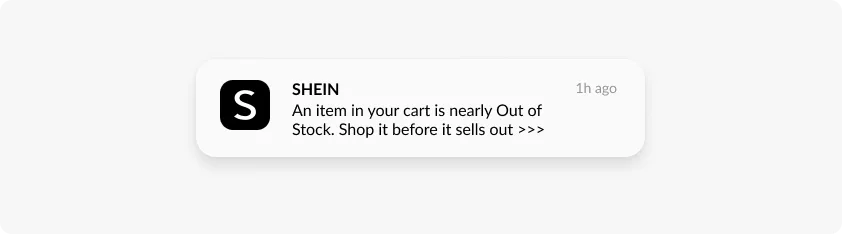
Add a promo code to your message, notify users of a seasonal price change or create a sense of urgency. Here is an example of a push notification nudging a user to make a purchase before the item sells out:
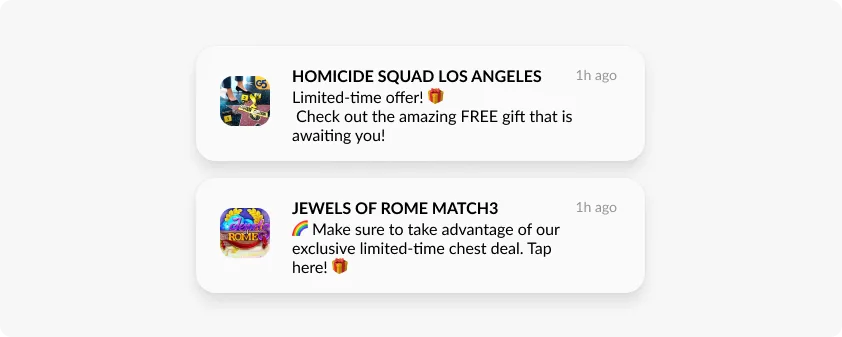
The sense of urgency technique works well for RFM segmentation for gaming apps too. You can motivate hesitating players to seize the opportunity — while they still can:
RF (non-monetary) segmentation: RFM segmentation types for subscription-based and hybrid apps
Generally, RFM analysis is based on the user’s purchase history. However in Pushwoosh, you can set any app event as a segmentation criterion — making this approach ideal for RFM segmentation for mobile apps beyond e-commerce. You can also exclude the monetary value from the analysis if needed:
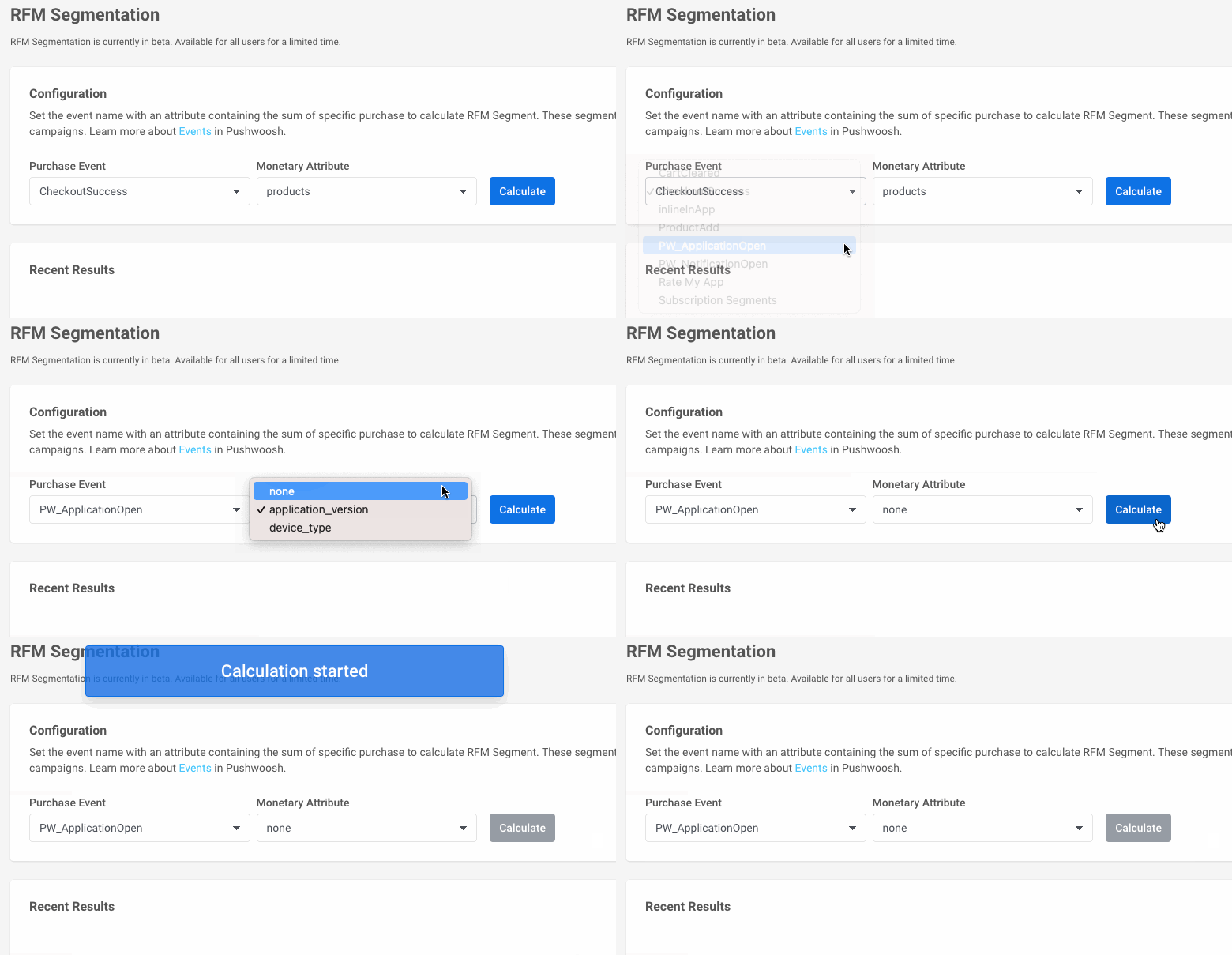
In this case, you can calculate the most recent and frequent performers of the selected event – in other words, do RF segmentation. It is the most effective when calculated for the core app events reflecting user engagement. For example:
- Login;
- Screen view;
- Feature usage;
- In-app achievements.
RF segmentation has every chance to pay off for subscription-based or hybrid apps as their monetization relies on user engagement and retention rather than purchase history.
For these types of apps, you can identify your most engaged as well as pre-churn segmentsand adjust your communications with them accordingly:
“New users” and “Promising”
These segments include users who have just started their interaction with the app. Your strategy is to provide them with a smooth onboarding experience and free trials.
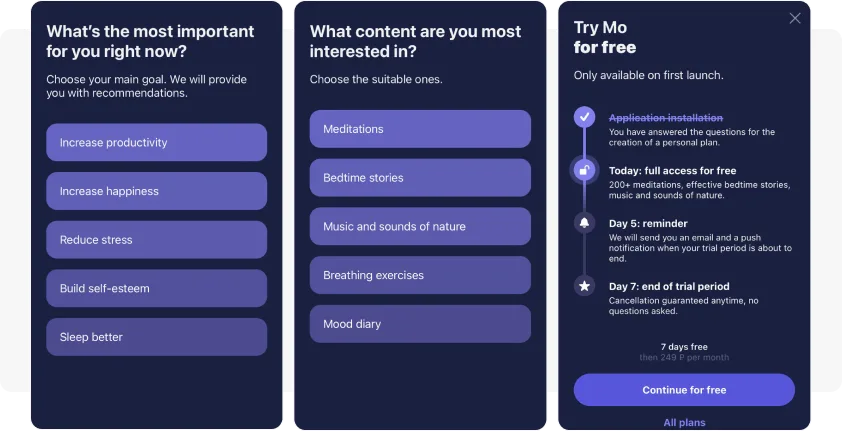
Check out a series of onboarding in-app messages in the meditation app Mo. The app not only offers a free trial but also inquires about a user’s preferences and goals, preparing the way for long-term retention and higher CLV:
After successful onboarding, your strategy is to keep these users getting back to your app regularly by setting scheduled reminders about the activities or content they selected.
Here is an example of a language learning app, Babbel. The app encourages users to sign up for learning reminders and then sends scheduled push notifications, helping users stay motivated and committed to their goals:
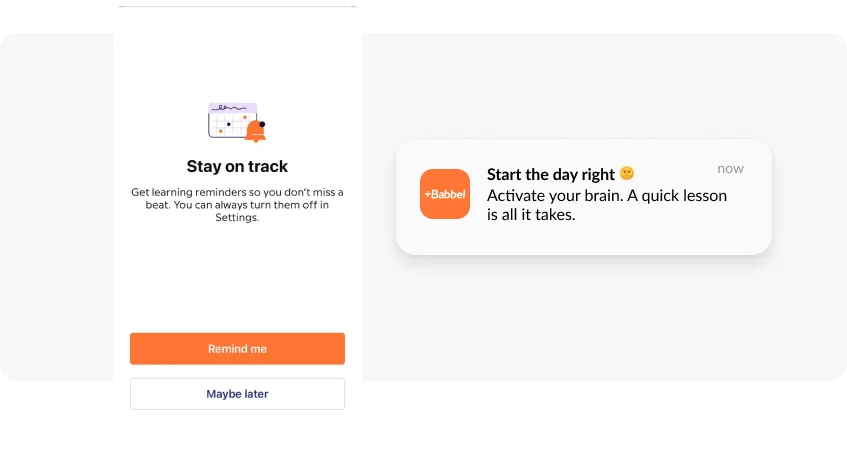
In Pushwoosh, you can create a similar reminder with the use of Scheduled Launch
“Can’t lose them”, “At risk”, “Hibernating”
These segments include users who interacted with the app long ago and need to be re-activated. Your strategy for these segments is highlighting features and updates that users missed while they were away.
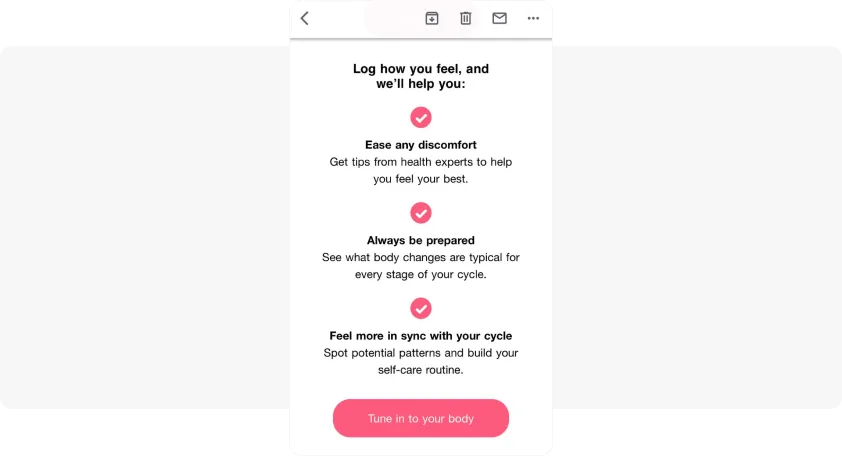
Here is an example from Flo, a female health app that re-activates users via an email encouraging them to log their symptoms and get recommendations based on the provided data:
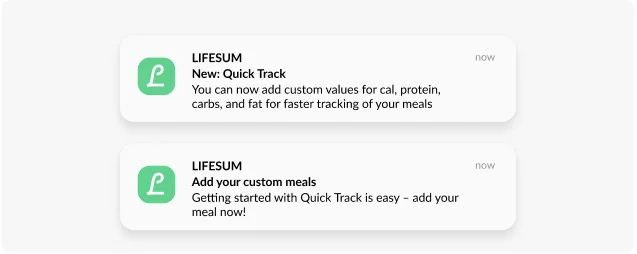
If you choose to re-activate your users through push notifications, consider creating a message sequence. The first push will inform users of new features, while the second one will encourage them to try out these new features:
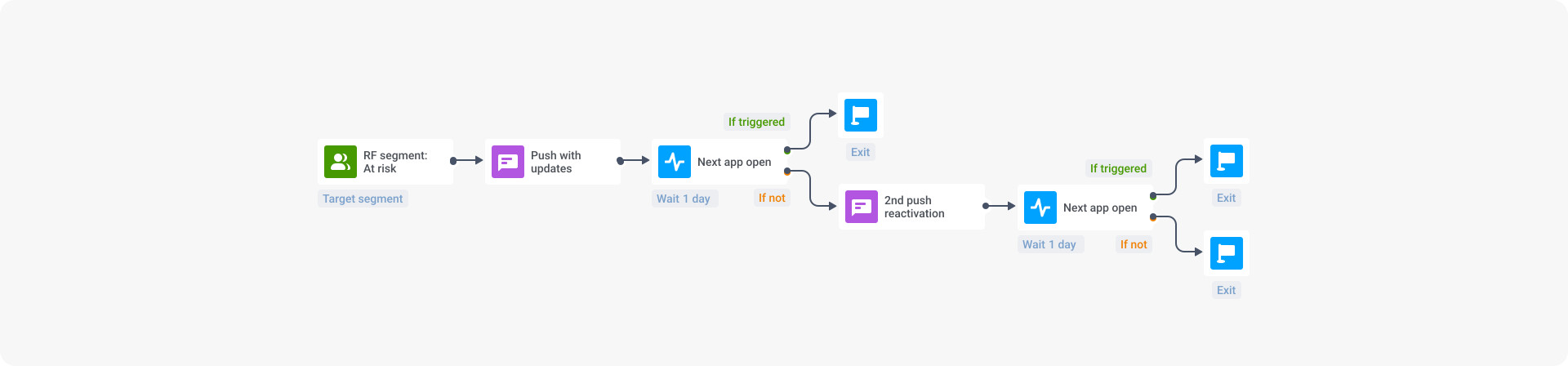
Here is an example of a reactivating message sequence from a health app Lifesum:
“Needs attention” and “About to sleep”
These segments include users who haven’t been active in the app recently. They can easily fade into churned users in case they aren’t motivated to open the app.
Here is when personalized communication comes to the rescue. Personalization may include precise product recommendations, feature updates based on customer needs, and choosing the best timing for notification delivery. To level up the personalization of your campaigns, try to leverage any available user data, ranging from user preferences to events they have triggered.
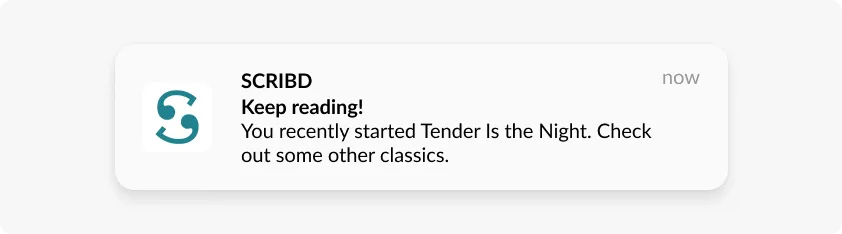
For example, Scribd, a reading app, certainly knows its users’ tastes in books, so it notifies them of some more content that may interest them as well:
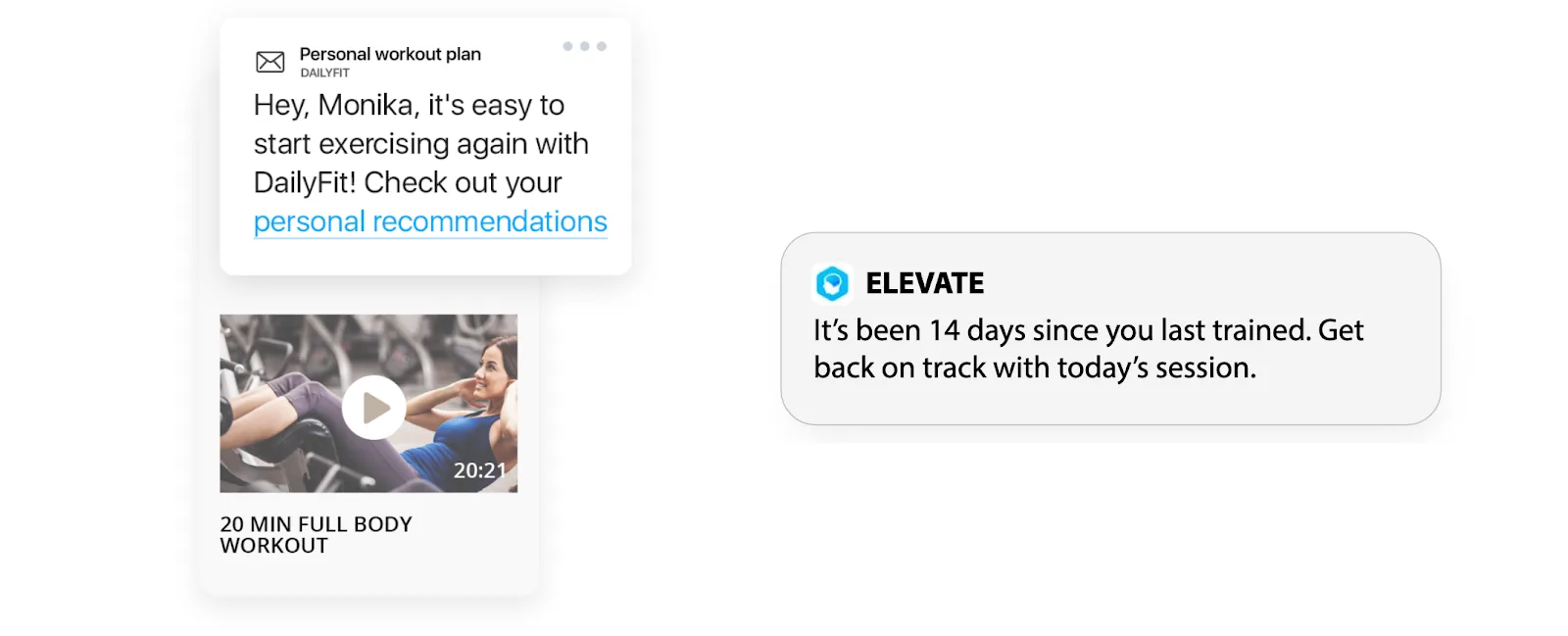
To reconnect with the pre-churned segments, keep your messages motivating and remind users that getting back to their once-started routines is easy. Utilize an omnichannel approach by ensuring your emails and notifications work together to reignite the user’s interest:
“Potential loyalists”
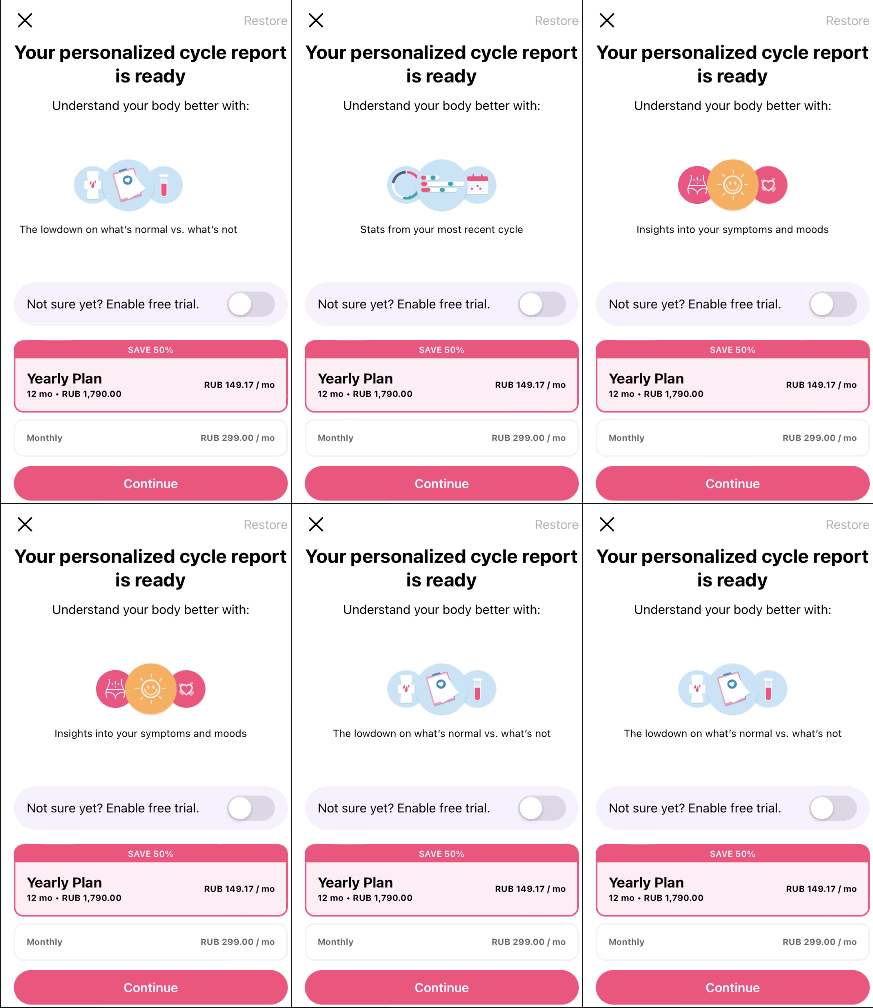
“This segment consists of the users who have shown recent activity and an average level of engagement. To convert “Potential loyalists” into loyal customers, it’s important to encourage them to explore and adopt new features, as well as to consider upgrading to premium plans.
Here is an example by Flo, promoting a “Personal report” premium feature via an in-app message and nudging users to upgrade:
“Loyal customers” and “Champions”
These segments include your most active and engaged users. To transform their loyalty into higher lifetime value and increased revenue, you can explore two strategies:
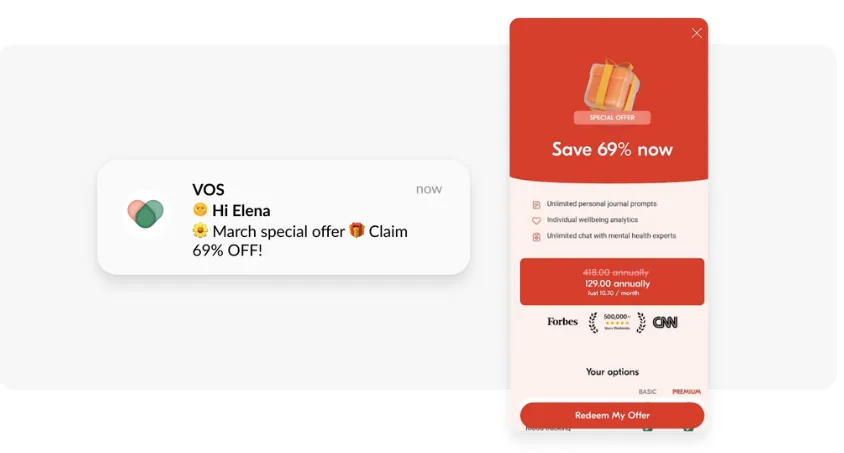
- Subscription upgrades. This involves offering paid subscriptions to free users, as well as providing long-term options to those who have been using a monthly plan.
Here is an example of VOS, a well-being app, incentivizing short-term subscribers to make larger purchases:
2. App promotion. This includesloyalty and referral programs that can improve your app recognition and broaden your revenue stream.
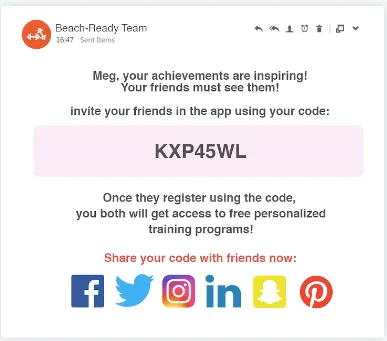
A simple way to incentivize your loyal customers to participate in a referral or loyalty program is by providing them with a special promo code that benefits both them and their friends. This offer not only improves the experience of the existing customer base but also attracts new customers through word-of-mouth marketing:
Put your RFM segmentation strategy into practice with Pushwoosh
RFM analysis is a powerful segmentation method that helps to drive a positive customer response to an app marketing campaign. Whether you’re exploring RFM segmentation for e-commerce, mobile apps, or gaming, Pushwoosh gives you the tools to act on your RFM segments immediately. Can’t wait to improve your audience interaction and grow your profit through better-targeted communications? Discover Pushwoosh segmentation tools and many ways to use them for more effective communication.
RFM segmentation FAQ
What does RFM stand for?
RFM stands for Recency, Frequency, and Monetary value. These three dimensions define how recently a customer purchased, how often they buy, and how much they spend. Together, they form the foundation of RFM analysis — one of the most practical customer segmentation models used in marketing today.
What is RFM segmentation?
So what is RFM customer segmentation? It is a method of grouping customers into segments based on Recency (R), Frequency (F), and Monetary value (M) of their purchases. The RFM analysis meaning is straightforward: by understanding buying patterns, you can develop relevant strategies to increase sales in each segment.
How to calculate RFM segmentation?
To calculate RFM segmentation, assign each customer a score (typically 1–5) for recency, frequency, and monetary value. Then combine these scores to place customers into RFM segments on the RFM matrix. In Pushwoosh, this calculation is automated — the platform scores your users and displays the results in a visual grid.
What are the main RFM segmentation types?
The main RFM segmentation types include full RFM (using all three dimensions) and RF segmentation (excluding monetary value). RF segmentation is ideal for subscription-based and hybrid apps where engagement matters more than purchase amount. You can also apply RFM analysis to non-purchase events like logins or feature usage.
RFM segmentation for mobile: what are the specifics?
Although RFM segmentation applies to many industries, it is particularly effective in the mobile world. RFM behavioral data aligns well with an event-based approach in mobile marketing and allows targeting specific customers with timely and compelling offers.
Why is RFM better than traditional segmentation methods?
Unlike demographic segmentation, which groups users by age or location, RFM segmentation focuses on actual purchase behavior. This makes it more effective in identifying high-value customers. When comparing RFM vs CLTV, note that RFM is action-oriented and easier to implement, while customer lifetime value models are predictive. Many marketers use both together.