All marketers understand the importance of content that sells. However, many focus on producing only this type, forgetting about the importance of educational content and other useful information that would present actual value to the users. Meanwhile it can bring you even more conversions and increase sales! Learn how to create useful content that actually gets consumed and builds brand loyalty.
A typical mistake marketers make is creating only one type of content: the one that’s supposed to sell. Yes, sales are the ultimate goal for any commercial company and talking about the advantages of your products is important. However, Pushwoosh team has noticed that the most effective pieces of content are the ones that are valuable to customers by themselves. Such content includes tips & best practices, educational articles and e-books.
Why is educational content important and how can it increase sales?
Pushwoosh research shows that educational content typically brings 2–3 times more leads than other types.
In the long run it performs better and allows you to achieve such benefits as:
- Making you an expert on certain topics in your customers’ eyes, building trust and loyalty towards your brand;
- Higher ranking of website in search engines (the more topics you talk about, the more keywords will get you to the top of search results);
- More organic traffic for your website (there are always many people looking for tips, best practices, fresh ideas and answers to certain questions).
How to create effective educational content?
Consider who your customers are and what their pain points are. What problems do they deal with every day? What questions do they need answers for? How do they look for this information? It’s equally important to deliver your educational content via the right communication channels, so that your customers can easily find it.
Specify buyer personas
To understand what topics you should write about, you need to think about your buyer personas and create detailed portraits of your potential and existing customers.
Try to consider their:
- Job title & responsibilities
- Industry
- Age
- Income
- Behavioral traits
- Goals
Think the same way these people would, and you will easily find the pain points and concerns they might have.
After that you can create a list of topics that would cover the questions of your potential customers and give them valuable information they can put to good use.
Align your messages to the buying process
Think about:
- What do your customers consider before buying the kind of product/service that you offer?
- What are their expectations from making this purchase?
- What difficulties can they stumble upon on the way to the purchase?
It’s also useful to think about how they will use the product once they buy it:
- What capabilities will they get once they buy your product/service?
- What are the best practices of using your product/service?
- Are there any tips you can share that will make their customer experience even better?
Try to provide some useful information on these topics, so that you can move a prospect’s train of thought into the direction you need.
How to distribute educational content
Another crucial step on they way to successful content marketing is developing a distribution strategy that is effective and reaches your intended target audience.
🖥️ Posting blog content to your website, sitting back and waiting for your users to find your posts by themselves is a tactic that doesn’t really work that well these days. The chances that tons of organic traffic will arrive by itself, are pretty low, even though educational content attracts organic traffic much more effectively than any other type.
👉 To be successful, use a variety of communication channels and distribute your content via social media, push notifications, emails, paid media, and search engine ads.
📧 If you already have a list of customers that are subscribed to your emails, make sure to send them an email that will notify them about a new useful article in your blog. Send them a short excerpt to evoke the interest and don’t forget to put the link to the post itself, so that your users can quickly access and read it.
📲 If you have an application, using mobile push notifications is another great way to notify your customers about a new piece of content. An alert-style message that will slide at the top of their screens will grab their attention.
Don’t forget to put a deep link in the notification, so that when your customers tap on it, they can be directed straight to the page where they can read your post.
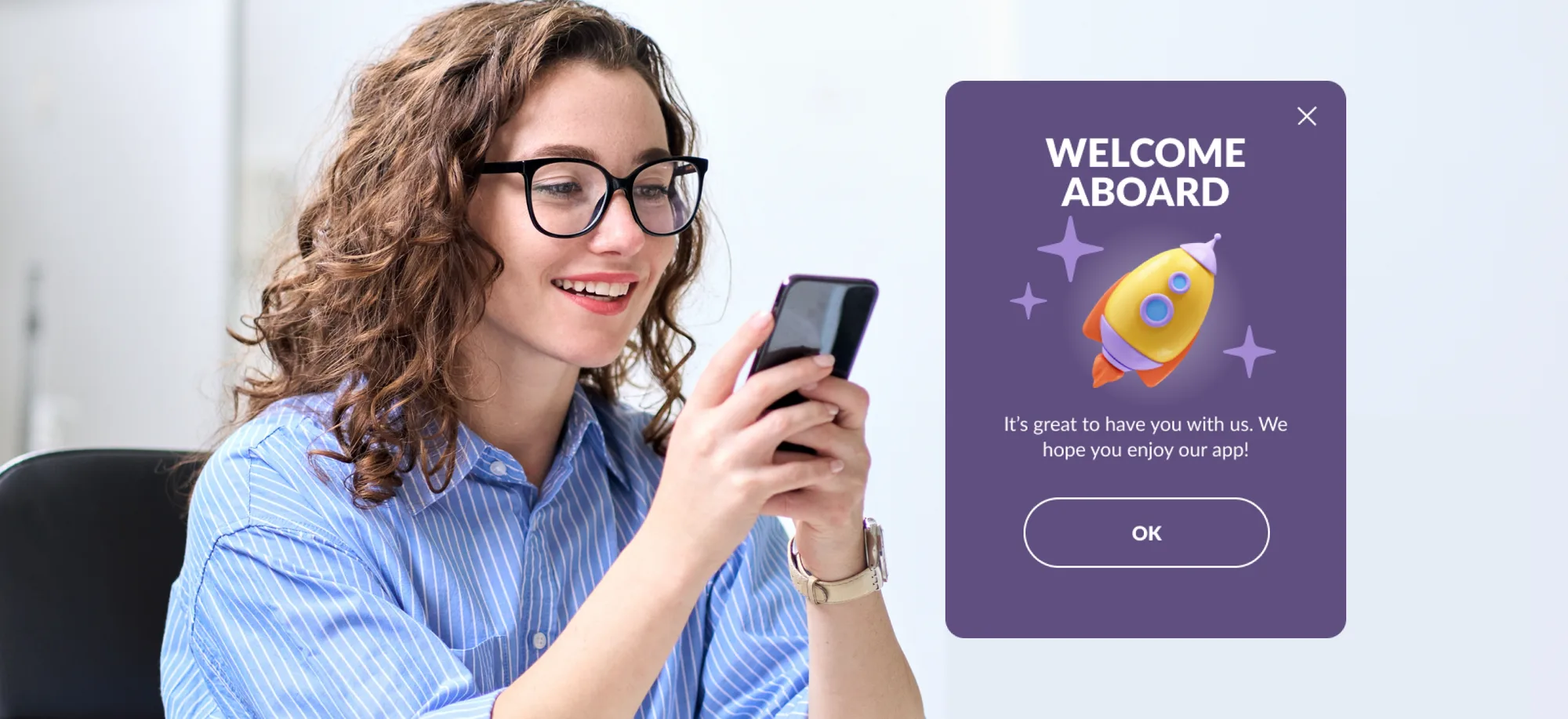
In-app messages also work great for guiding the users straight to the article you want them to read. It’s a window that pops up on a user screen while they are inside the app. Your users can quickly close it or follow the link to a certain page.
🔔 Don’t have an app? No big deal. Web push notifications allow notifying users about a new article while they are surfing the web. An alert-style message will appear in their browser window, and they’ll be able to click on it and get straight to your post.
All of these communication channels can get you more traffic and bring your post more views. Try distributing your content via emails, mobile and web push notifications and in-app messages with Pushwoosh!
Get in touch with our team to learn more about communication channels that will make your marketing strategy even more effective: